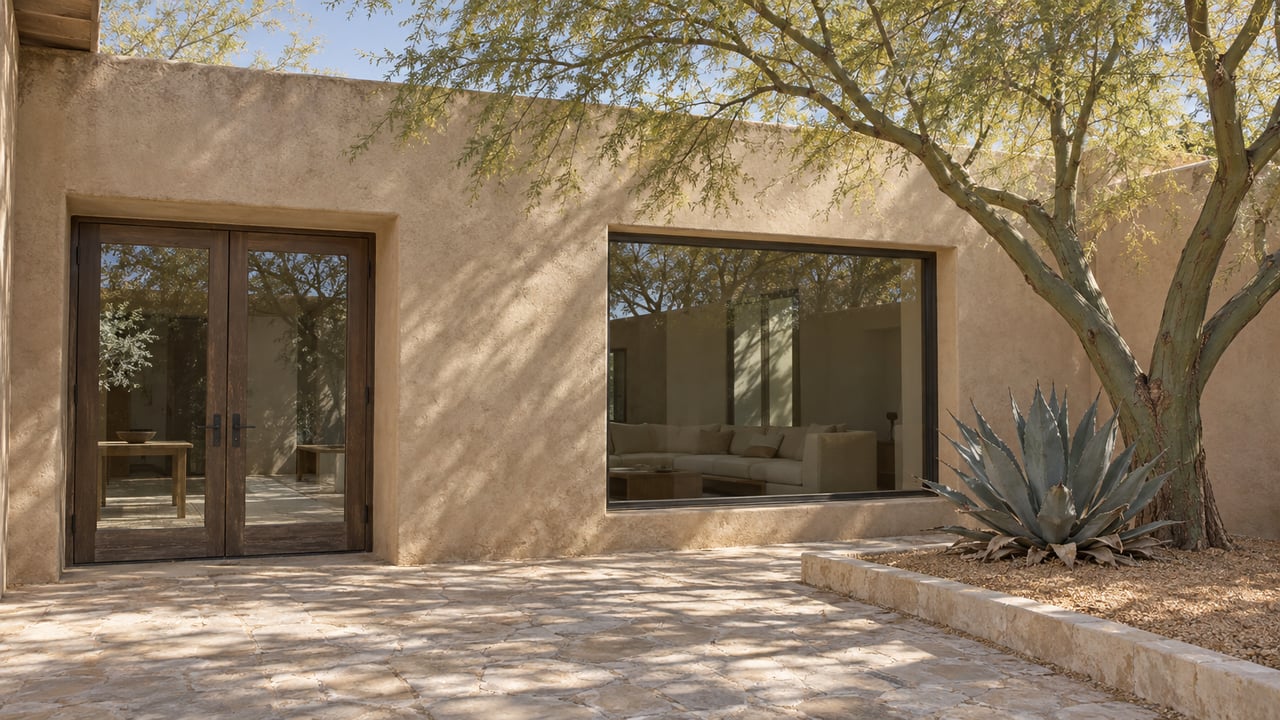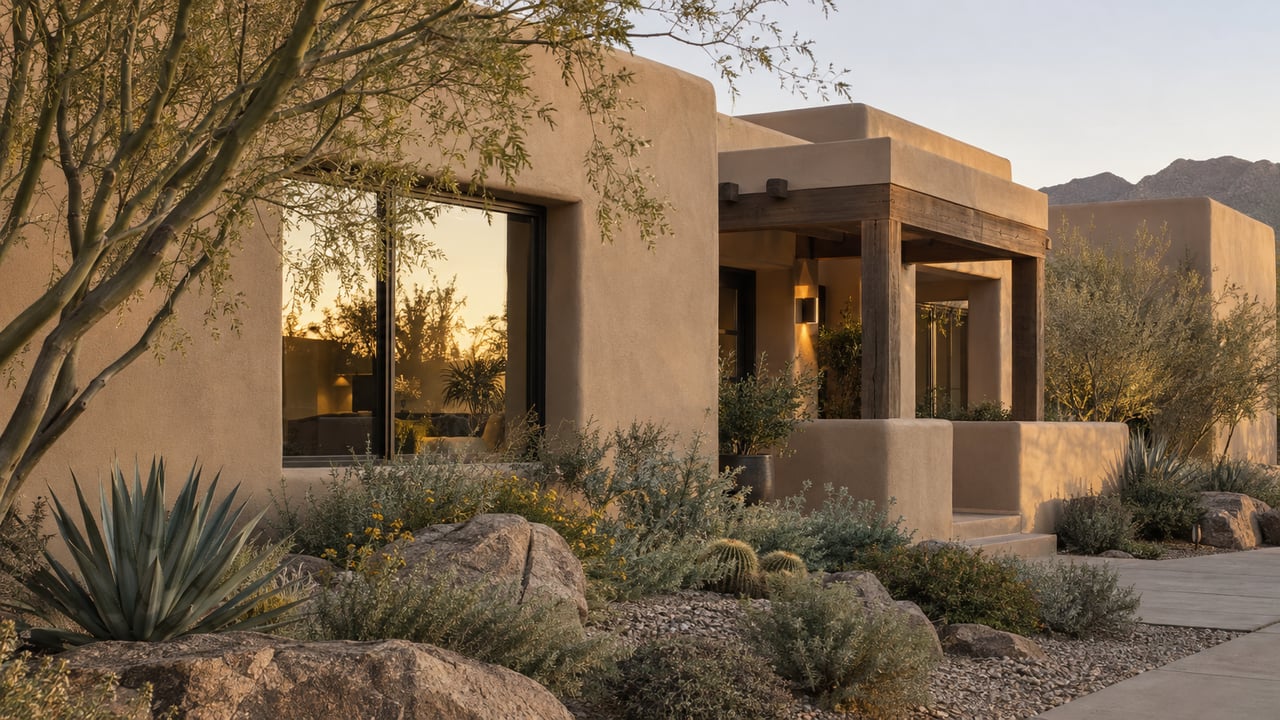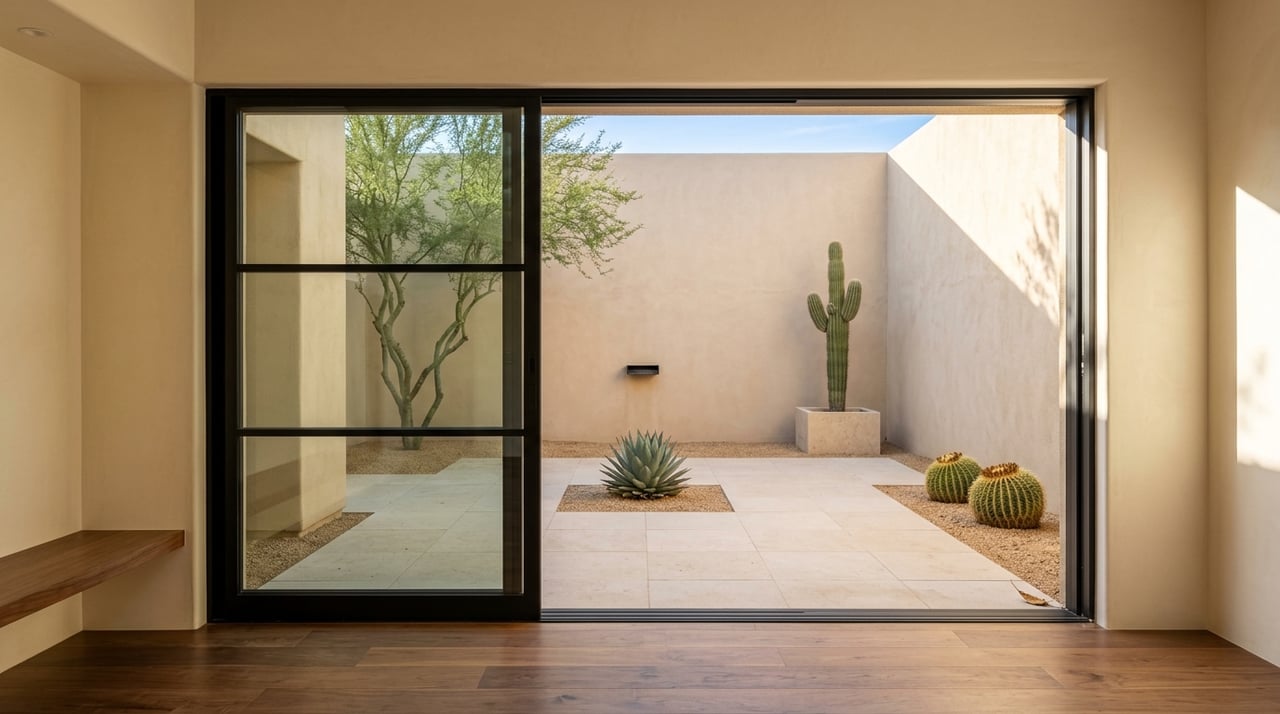
Imagine stepping into warm winter light, mountain silhouettes in every window, and a home that’s ready when you are. If you’re considering a second home in Catalina Foothills, you’re likely weighing lifestyle, upkeep, and whether rentals make sense. In a few minutes, you’ll understand today’s market, the best lock-and-leave options, real desert maintenance costs, and key rental rules, plus a simple plan to move forward with confidence. Let’s dive in.
Is Catalina Foothills a fit?
Use this quick checklist to see if the Foothills aligns with your goals:
- You want striking desert and mountain views with quick access to Tucson dining, golf, and trails.
- You prefer low-maintenance living for part-time use - think condos, townhomes, or managed gated communities.
- You plan to visit in winter or spring. The “snowbird” season - roughly January through April - is the area’s busiest window for part-time residents.
- You’re comfortable with an HOA and its rules if you choose a condo or gated community.
- You want rental potential, but you’re willing to verify HOA rules, local registration, and taxes first.
Market snapshot: what the numbers mean
Catalina Foothills sits in a mid-to-high price band for Tucson. Major data sites show recent median values in the mid-to-high 600s to low 700s, with small differences by platform due to methodology. Early 2026 reports noted modest year-over-year softening, but many neighborhoods feel balanced with days on market measured in weeks rather than days.
What does that mean for you? If you’re buying a second home, expect active competition for well-situated, updated properties with views or resort access. If you’re investing, underwrite conservatively, and favor homes with lock-and-leave features and strong appeal during peak winter months.
Property types that work for second homes
Condos and townhomes near canyon resorts
If you want true lock-and-leave living, condominium communities in the Ventana/Sabino canyons are strong fits. Examples include Canyon View at Ventana, Pinnacle Canyon, and Villas at Sabino Canyon. Professional HOAs typically handle common areas, exterior maintenance, and pool care, which keeps your hands-on time low.
Gated resort communities
Gated country-club settings like La Paloma pair privacy with resort amenities and managed common areas. You get a single-family or attached home with a more residential feel, plus services that match a part-time lifestyle. HOA dues are often higher, but the trade-off is less to coordinate from afar.
Custom homes on larger lots
Custom estates deliver space, views, and privacy. Many sit on low-density lots with native landscaping. They are less lock-and-leave by nature and can require a local landscape, pool, and property manager to keep systems dialed during long absences.
HOA due diligence checklist
Before you make an offer, request and review:
- CC&Rs, rules, and rental provisions - short-term rental restrictions, guest limits, parking rules
- What the HOA covers - landscaping, exterior, roof, pool, pest, and the schedule of maintenance
- Recent HOA meeting minutes and the latest reserve study to gauge any deferred maintenance
Owning in the desert: maintenance and costs
Second homes in the Sonoran Desert are about smart systems and steady care. Plan ahead for these line items and you’ll avoid surprises.
Water and conservation
Water service in the Foothills is fragmented. Portions are served by Tucson Water, Metro Water District, or small private systems. Confirm your provider during due diligence and ask about metering, irrigation rules, and fees. You can start by checking the Metro Water contact page for service boundaries and contacts: Metro Water District resources.
Tucson Water offers rebates that can lower operating costs and support low-water landscaping, including rainwater harvesting, gray-water, and high-efficiency fixtures. Review current programs and application steps here: Tucson Water residential rebates.
Energy and HVAC
Cooling costs run higher in summer. Local summaries place Tucson-area residential electricity rates in the mid-teens cents per kWh. Compare plans and ask about time-of-use options when you set up service. For current context, see EnergySage’s Tucson electricity cost data.
Schedule seasonal HVAC tune-ups and consider smart thermostats to manage settings while you’re away. Ask sellers for recent utility bills to inform your budget.
Pools and outdoor systems
Many second homes include pools. Routine service, chemical balancing, and equipment checks commonly run about $80 to $150 per month, depending on pool size and service frequency. For local pricing ranges, review Angi’s Tucson pool service overview. Plan for periodic filter cleanings and winter settings when the home is vacant.
Monsoon drainage and site care
Summer monsoons can move a lot of water in a short time. Check grading, roof drainage, and any flood-control easements during inspections. Tucson’s green stormwater resources are a helpful primer on managing desert runoff: Tucson Water conservation and GSI.
Wildfire readiness
Portions of the Foothills sit in a wildland-urban interface. Create defensible space, maintain vegetation, and verify insurance coverage that accounts for wildfire exposure. Find county planning and mitigation guidance at the Pima County Office of Emergency Management.
Sample annual operating checklist
Build a simple budget and get local quotes for:
- HOA dues (if applicable)
- Water and sewer service
- Irrigation checks and landscape care
- Pool service and repairs
- HVAC service contract
- Property management or caretaker services
- Home insurance with wildfire considerations
Renting your second home: demand and rules
Short-term rental demand in Pima County has been steady with clear seasonality. In Q1 2025, county data reflected about 77 percent occupancy and an average daily rate near $176.76, with stronger performance in winter and spring. See the state’s county-level summary here: Arizona Office of Tourism - AirDNA Q1 2025. Neighborhood performance varies, so analyze comparable listings near your target property.
Registration and compliance
Arizona requires registration and tax compliance for rentals. In unincorporated Pima County, confirm local code requirements and any exceptions before listing: Pima County code reference. Towns within Pima County may have additional steps. As an example, regional guidance highlights registering the property with the Pima County Assessor and handling Transaction Privilege Tax for stays: Short-term rental guidance example.
HOAs can be stricter than local law. Always verify CC&Rs for rental or minimum-stay rules before you buy.
Taxes and owners who rent occasionally
Rental income is taxable. If you split personal use with short-term rentals, follow IRS rules on personal use vs. rental activity, and verify which platform taxes are remitted on your behalf. For a high-level Arizona overview, start with this summary and then consult your tax advisor: Arizona STR tax basics.
Short-term vs long-term: quick pros and cons
- Short-term - higher potential revenue during peak season, but more management, cleanings, and reviews to maintain.
- Long-term - steadier occupancy and less turnover, but lower nightly rates and less flexibility for personal use.
Financing and insurance check-in
Lenders and insurers often treat second homes differently than primary residences. Pre-qualify with a lender who handles second-home loans in Arizona and ask about down payment and reserve expectations. Get insurance quotes early and confirm wildfire coverage and any vacancy requirements in the policy language.
How to move forward in the Foothills
- Clarify your goals - pure getaway, income-focused, or a mix.
- Focus your search - condos and townhomes near Ventana or Sabino for low maintenance, or gated homes in La Paloma for resort access.
- Confirm water provider, HOA rules, and maintenance scope during due diligence.
- Build a realistic budget - AC, water, irrigation, pool, landscape, insurance, and any management.
- If renting, model comparable ADR, occupancy, platform and management fees, and cleaning turnovers.
- Line up your team - lender, insurance agent, tax advisor, and a local property manager if needed.
When you are ready to explore specific neighborhoods, tour homes, and weigh real operating numbers, connect with a local advisor who knows the terrain. For curated guidance and discreet, high-touch representation, reach out to Marta Harvey.
FAQs
What months are best for using a second home in Catalina Foothills?
- Winter and spring tend to be the busiest seasons for part-time residents, with mild weather and strong visitor demand.
What makes a Catalina Foothills property truly lock-and-leave?
- Condos and townhomes with professional HOAs that handle exterior care, roof, common areas, and pools offer the easiest part-time ownership.
How do short-term rental rules work in unincorporated Pima County?
- You must register the property as required, handle applicable state and local lodging taxes, and follow county code - always verify HOA CC&Rs for any stricter rules.
How much should I budget to maintain a pool in Tucson’s climate?
- Routine service typically runs about $80 to $150 per month depending on size and frequency; get local quotes and plan for periodic filter cleanings. See local ranges at Angi’s Tucson pool service.
How can I confirm my water provider before I buy in the Foothills?
- Ask for recent utility bills and check service maps or contacts for the serving utility; the Metro Water District page is a useful starting point: Metro Water District resources.