If you could time your sale or purchase for the weeks when qualified buyers are most active, would you? In Tucson’s upper-tier market, the calendar matters. Weather patterns and seasonal migration shape demand, inventory, and negotiation tone more than in many cities. In this guide, you’ll see how the year typically unfolds, what that means for pricing and days on market, and how to plan your move with confidence in the Catalina Foothills and greater Tucson. Let’s dive in.
What “luxury” means in Tucson
For this guide, luxury refers to homes priced at roughly $1 million and above in greater Tucson. National trackers often define luxury as the top 5 percent of sales by price in a metro, which may differ from fixed local thresholds. Both views are useful when you evaluate timing and leverage. The key is to compare like with like across price tiers rather than rely on citywide medians.
Tip: When you review monthly stats, look for reports that break down months of supply and days on market by price bracket. That lens is more accurate for the luxury tier than broad metro medians.
The year at a glance
Tucson’s luxury market follows a clear seasonal cadence shaped by weather and out-of-area travel. Two periods tend to favor sellers: a primary winter–spring window and a secondary fall window. Summer is the slowest stretch because of extreme heat and monsoon season.
January to April: Snowbird Window
- Buyer mix: You will see a large share of out-of-state and seasonal buyers alongside early-year relocations. Many are cash or portfolio-financed and want turnkey, view-oriented, low-maintenance properties.
- Listing dynamics: Inventory often rises in January to capture this traffic. For many Foothills listings, mid-January through March offers the most visibility for showings and broker activity.
- Pricing: Well-prepared, correctly priced homes that launch early in this window tend to attract the strongest competition. Overpriced or poorly presented listings lag.
March to May: Spring overlap
- Market rhythm: The broader spring buying season overlaps with snowbird demand, creating the widest buyer pool of the year. This period also attracts families planning a summer move.
- Seller leverage: New listing volume rises, but demand usually keeps pace. Properly priced homes often hold negotiation leverage better than in summer.
May to early June: Shoulder season
- Buyer mix: Locally based buyers who need to align with school-year transitions are still active.
- Strategy: If your home targets this group, a late spring launch can work. Present clean inspection reports and flexible closing timelines to keep momentum.
Mid-June to August: Summer slump and monsoon
- Activity: Showings and out-of-area visits drop sharply in the heat. Second-home shoppers often pause travel decisions.
- Timing: Homes launched in this stretch often take longer to sell than those listed in high-activity months. Many luxury sellers use summer for major prep rather than full public launches.
September to November: Fall recovery window
- Demand: Cooler temperatures and the return of out-of-area buyers produce a productive second season. Inventory may thin, which can help standout listings.
- Strategy: If you missed spring, early fall is a strong backup. Refresh media, update pricing to recent comps, and re-engage targeted buyer outreach.
Late November to December: Holiday period
- Activity: Overall traffic softens, but active buyers are often highly motivated due to transfers or timing needs.
- Approach: Consider targeted or quiet marketing if discretion is important. Use premium photography and virtual tours to reach serious buyers who are traveling or busy.
Catalina Foothills nuances
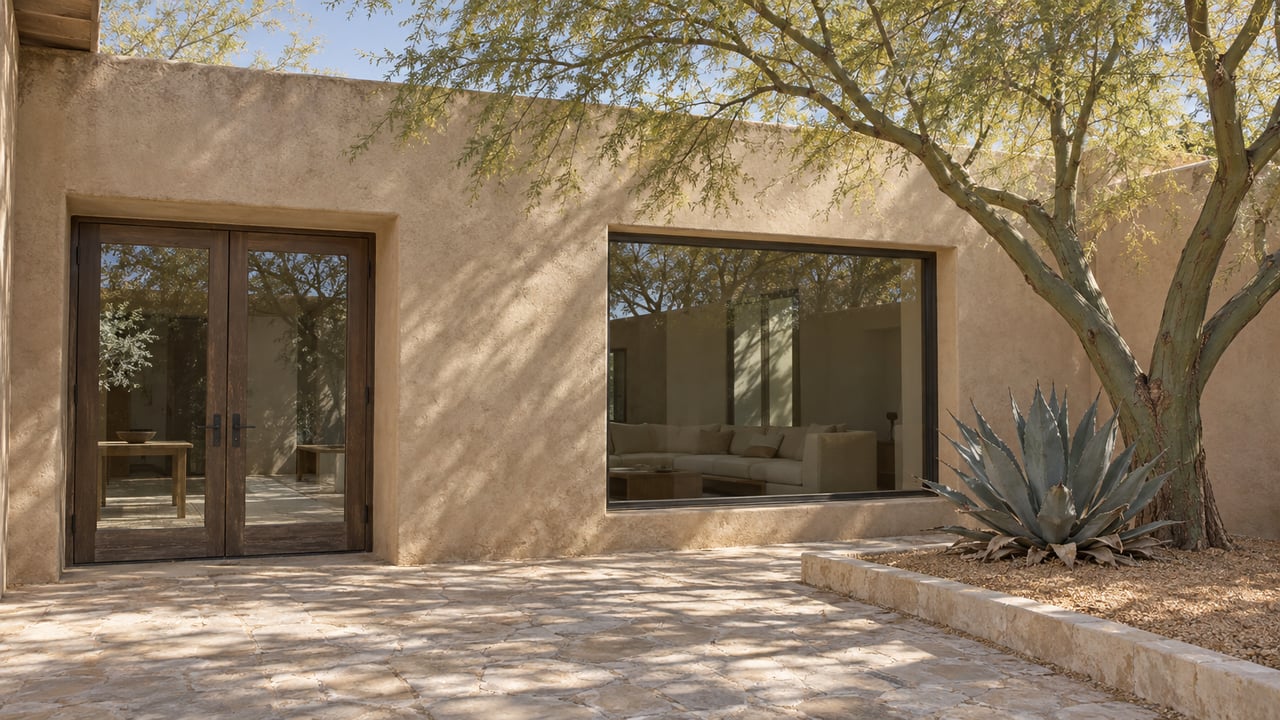
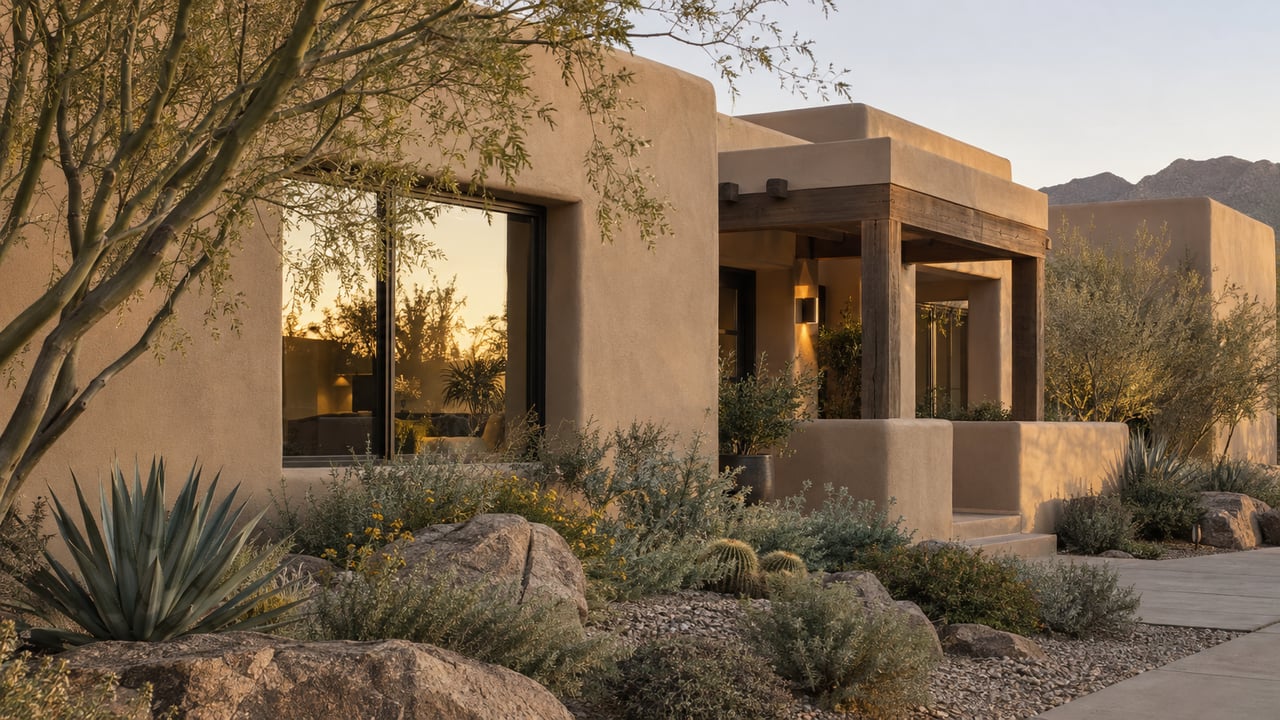
The Catalina Foothills mirror the broader luxury calendar, with a stronger share of out-of-area buyers and a wide range of property types. Custom homes on larger lots, gated enclaves, golf-community estates, and view properties dominate. These homes benefit from high-quality media such as drone and twilight photography and targeted buyer outreach.
A recent Q4 2025 micro-report for the Foothills showed about 336 active listings, an average asking price near 1.08 million dollars, and average sold prices in the mid-700,000s. That created a visible gap between list and sale figures. Correctly priced homes tended to close faster, while aspirational pricing lengthened days on market. The lesson is simple: presentation and realistic pricing to recent sold comps matter more than ever.
Pricing, inventory, and negotiation
- Price-tier divergence: Citywide medians do not reflect luxury absorption. Tucson moved toward a more balanced feel in early 2026, with roughly 3.5 to 5 months of supply in broad measures. You can review current metro medians and months-of-supply on the MLSSAZ monthly statistics page. In the upper tiers, months of supply expands as prices rise, especially above roughly 1.4 million dollars.
- Sale velocity: Scarcity in very high-end niches can still produce quick, strong outcomes when a perfect match appears. In crowded price bands, expect longer days on market, more price reductions, and more negotiation.
- Concessions: Citywide sale-to-list ratios often sit in the high-90s percentages, but luxury sellers experience larger nominal dollar reductions even if percentages look similar. Translate percentages into dollars when you plan.
National context also matters. Shifts in credit markets and stock volatility can change high-end buyer appetite quickly. In 2025, national reports noted softer pending luxury sales even as price points stayed elevated. Keep an eye on both local tier data and broader financial conditions.
When to sell in Tucson luxury
- Best exposure: List between mid-January and mid-March to capture the Snowbird Window and spring search momentum. This is especially effective for turnkey, view-driven homes in the Foothills.
- Strong alternatives: If you miss spring, early fall can work well, particularly if competing inventory thins. For family-oriented listings, late spring to early summer can align with school calendars.
- Summer strategy: Unless your home is truly exceptional and perfectly priced, summer is better for prep than a public launch. If you must list, emphasize pool systems, HVAC performance, shaded outdoor living, and monsoon-season maintenance.
Preparation timeline for sellers
Start early so you can launch into the right window with polished presentation.
- 90 to 120 days before listing
- Schedule inspections and complete repairs with clear documentation.
- Plan soft-goods staging and exterior updates. Use slower summer months for big exterior work so the home is market-ready by January if you are targeting the Snowbird Window.
- Book professional photography and video, including drone and twilight sessions for view and night-light appeal.
- 30 to 60 days before listing
- Finalize pricing with recent sold comps and clear price-tier context.
- Prepare disclosures, verify permits, warranties, roof and HVAC service records, and any smart-home or solar documentation.
- Build geo-targeted marketing toward key feeder markets. Out-of-area buyers rely on strong virtual presentation and clear property fact sheets.
- Launch week
- Coordinate timing for broker tours and private showings during peak visitation.
- Keep the home show-ready with flexible viewing windows to catch limited-travel buyers.
How buyers can use the calendar
- Selection vs. leverage: For maximum selection, search January through April and again September through November, when inventory and seller visibility are highest. For stronger negotiating leverage, look in late summer or just after the holidays when demand softens.
- Financing and speed: Many luxury purchases are cash or portfolio-financed. If you are out of area, pre-arrange inspections, remote notarization, and appraisals. Sellers often respond well to clear timelines, proof of funds, and reduced contingencies if you are comfortable with that approach.
- Fit and function: Be explicit about what you value. If views, privacy, and low-maintenance living top your list, communicate that early so the search can focus on a precise micro-location and property type.
Marketing to out-of-area buyers
Because a meaningful share of high-end interest is seasonal and remote, your marketing should travel well.
- Use high-impact media: Professional photography, cinematic video, drone, twilight sets, and interactive floor plans help buyers understand sight lines, light, and outdoor flow before they fly in.
- Target reach: Geo-targeted campaigns into the Pacific Northwest, Midwest, California, and Canada can reach likely visitors. International syndication increases visibility for second-home and relocation buyers.
- Snowbird timing: Combine strong virtual assets with live broker events and private tours in January through March when visitation peaks.
Final thoughts
Seasonality is not a slogan in Tucson. It is a real, repeating pattern that shapes how quickly luxury homes sell and at what terms. If you align your launch or search with the Snowbird Window or the early fall recovery, price to the right tier, and present at a high standard, you give yourself every advantage. If you need help mapping this calendar to your property or purchase plan, connect with a local advisor who lives the Foothills rhythm day to day.
Ready to plan your luxury sale or purchase with a calm, data-informed approach? Reach out to Marta Harvey for a tailored strategy and discreet guidance.
FAQs
Is winter the best time to sell a Tucson luxury home?
- For many Foothills and second-home properties, January through April brings the highest concentration of qualified buyers, with spring and early fall also providing strong alternatives; summer is typically least favorable.
If I miss spring, should I list in summer in Tucson?
- Usually no for most luxury sellers; showings tend to fall off in the heat and monsoon season, so consider using summer for prep and launch in early fall or early winter unless your home is exceptional and perfectly priced.
How long should I plan to prep a Tucson luxury listing?
- Plan 90 to 120 days for repairs, staging, premium media, and targeted outreach, using slower summer months for exterior work so you can hit the January Snowbird Window.
What counts as “luxury” in greater Tucson?
- There is no single standard; national vendors often use the top 5 percent of sales by price, while many local reports use fixed thresholds like 800,000 or 1 million dollars and above; state your definition up front when you compare data.