Wondering whether “lock-and-leave” living in Tucson really means carefree ownership? If you split time between homes, travel often, or simply want less day-to-day upkeep, that question matters. In Tucson, the appeal is real, but the details live in the HOA documents, maintenance responsibilities, and the way a community is designed for desert conditions. Let’s take a close look at what lock-and-leave luxury living actually looks like here.
What lock-and-leave means in Tucson
In Tucson, buyers usually use lock-and-leave to describe a home that can sit empty for stretches because an HOA or condo association handles important exterior or common-area tasks. That can include landscaping, irrigation oversight, exterior upkeep, or access management, depending on the community. It is a practical lifestyle term, not a single legal property category.
Under Arizona law, condominiums and planned communities are structured differently. Condominiums involve individual units plus shared common elements, while planned communities are developments with mandatory association membership and assessments. In both cases, the real answer to “how easy is this home to leave?” comes from the recorded community documents, not from the marketing label alone.
Why Tucson fits this lifestyle
Tucson is especially well suited to low-maintenance ownership because the desert climate rewards durable design and water-wise landscapes. NOAA data for Tucson shows just 10.61 inches of annual precipitation and 68 days per year at 100 degrees or higher. In a place this dry and hot, simplified exteriors and managed landscaping are more than a convenience. They are often part of smart ownership.
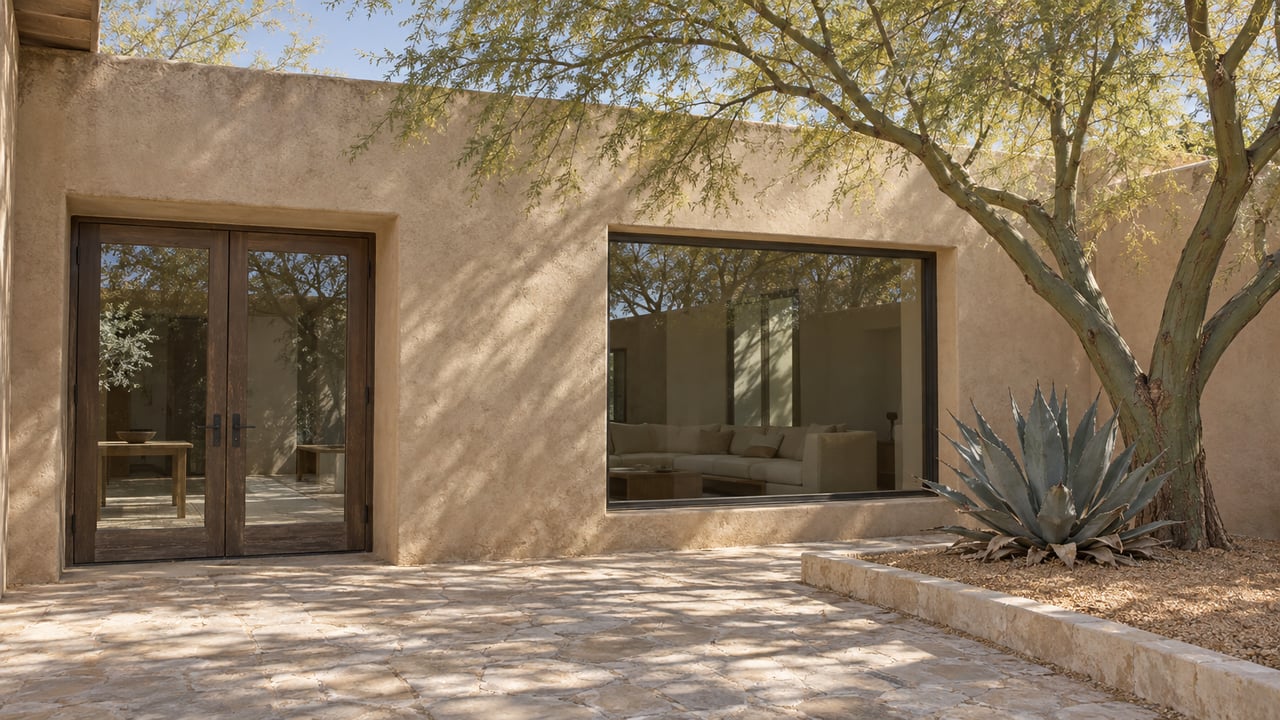
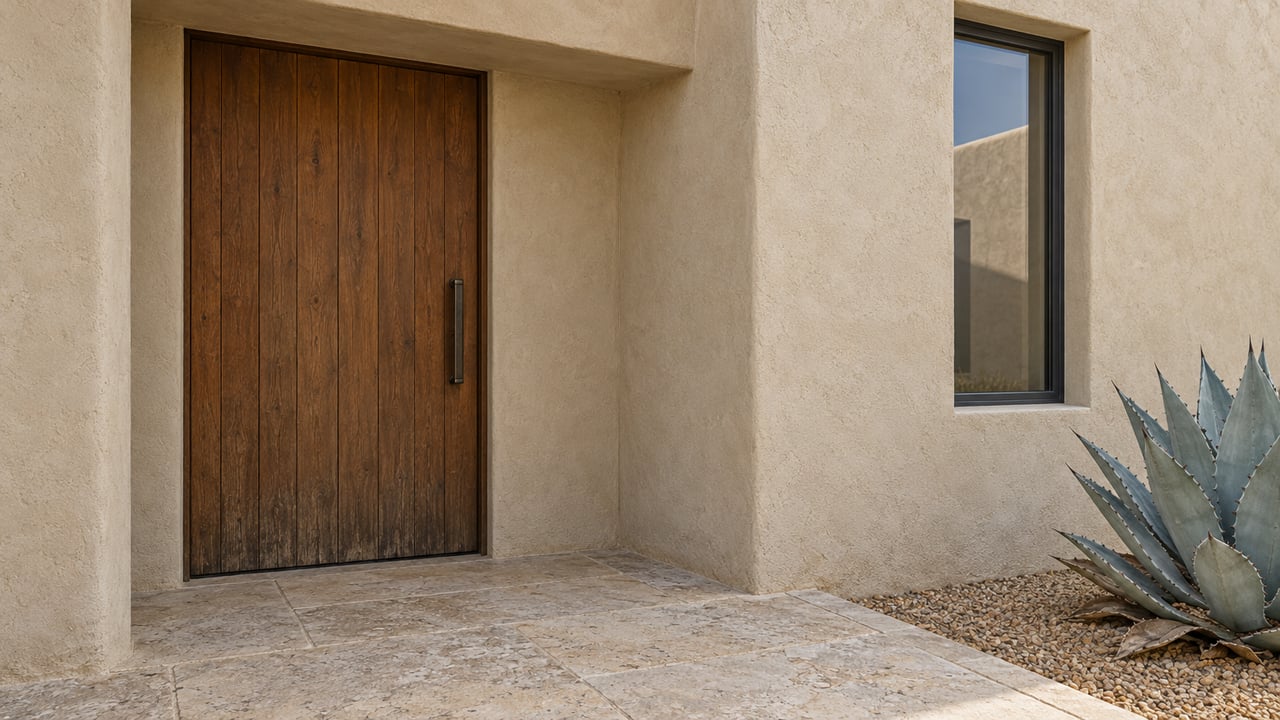
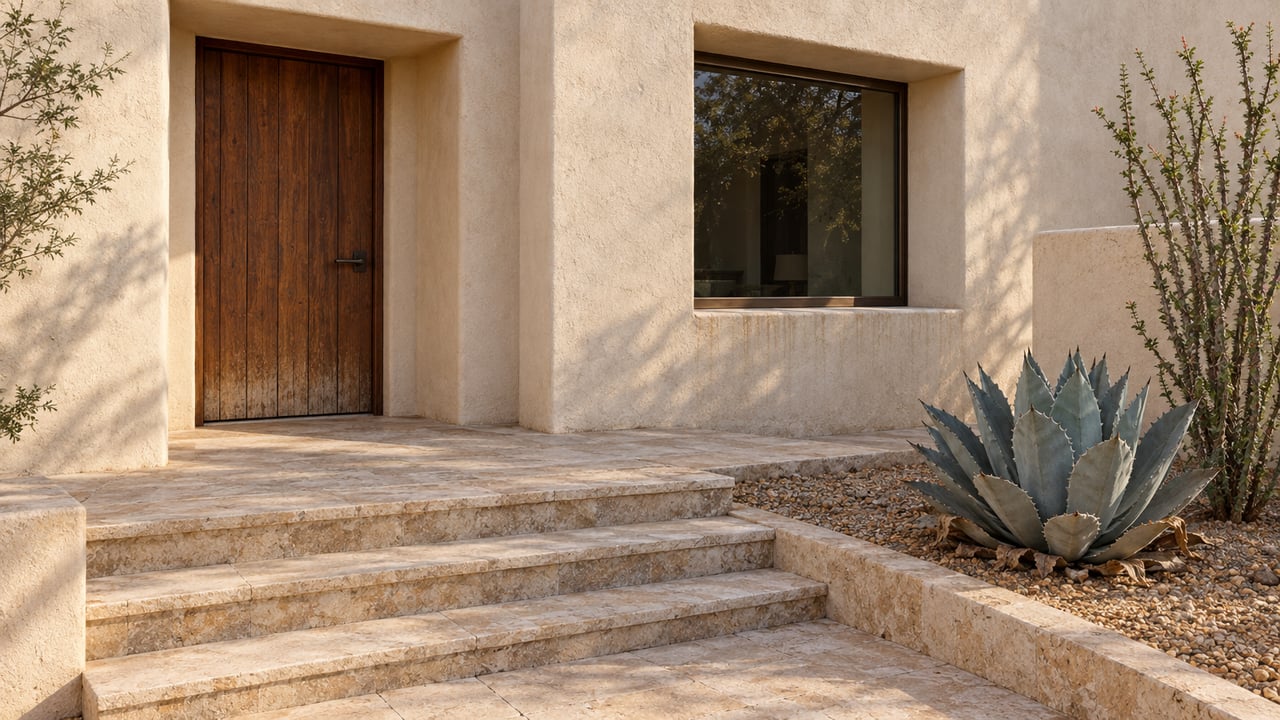
Tucson Water says about 40% of property water use is external. That helps explain why so many communities lean into xeriscape, drought-tolerant plants, decomposed granite or rock mulch, drip irrigation, and durable materials like stucco, stone, brick, and tile. These choices support the lock-and-leave idea because they are designed for the desert and often need less attention than high-water landscapes.
That said, low-maintenance is not the same as no-maintenance. Tucson’s standards still expect regular irrigation checks, pruning, mulching, weeding, and leak repairs. A well-designed community can reduce your hands-on responsibilities, but it does not remove the need for ongoing care.
What luxury lock-and-leave often includes
The strongest Tucson examples tend to combine a few practical features that make absentee ownership easier. When those pieces work together, the result feels much closer to true lock-and-leave living.
HOA-managed exterior care
The most important feature is usually clear HOA coverage. In some communities, that may mean common-area landscaping only. In others, it can extend to irrigation, exterior maintenance, roof care, pest control, termite systems, exterior insurance, or paint-related upkeep.
This is why two homes with similar price points can offer very different ownership experiences. One may be beautifully landscaped but still leave most exterior responsibility to you. Another may be structured to support a far more turnkey lifestyle.
Low-water desert design
Tucson’s best lock-and-leave communities often reflect the city’s broader water-conservation priorities. Recent local water-conservation amendments also point away from ornamental turf in new common areas and residential development. In practice, that supports landscapes built around hardscape, native or desert-adapted plantings, and efficient irrigation systems.
For you as an owner, that usually means fewer high-touch landscape demands. It can also mean a cleaner, more durable finish that holds up well when a home is used seasonally.
Controlled access or onsite oversight
Many buyers want more than low maintenance. They also want peace of mind while they are away. In Tucson, that often means looking for communities with a gate, patrol, onsite management, or similar support.
These features do not make a property maintenance-free, but they can add an extra layer of structure for part-time residents or frequent travelers. For many luxury buyers, that oversight is part of what makes the lifestyle feel viable.
Property types that often work best
Not every home type is equally suited to lock-and-leave living. In Tucson, a few ownership formats tend to align best with this lifestyle.
Condos
Condos are often the clearest fit because shared maintenance is built into the ownership structure. Arizona condominium law recognizes separate units plus common elements owned in common, which naturally lends itself to coordinated upkeep. If your goal is simplicity, condos are often the first place to look.
A local example is The Greens at Ventana Canyon in the Catalina Foothills, a 265-condo community with an onsite association manager and office hours. That kind of onsite structure can matter when you want a home that is easier to step away from.
Patio homes and villas
Patio-home and villa communities can also work well, especially when the HOA covers landscaping and exterior care. These communities often appeal to buyers who want a single-level or more private feel without taking on the full maintenance load of a larger detached property.
Examples in the Tucson area show how varied this can be. Finisterra describes itself as a gated Catalina Foothills community with 190 lots, a 24/7 manned gatehouse, clubhouse, pool, jacuzzi, tennis, pickleball, and an onsite manager. Ventana Canyon Golf Villas advertises HOA-maintained landscaping, well-kept roads, and a 24/7 guard gate with security patrol.
Seasonal-owner communities
Some communities are especially relevant if you plan to live in Tucson only part of the year. These neighborhoods often have rules, systems, and service models that reflect the needs of owners who spend time elsewhere.
SaddleBrooke Villas is a strong example. Its reported HOA coverage includes landscaping, planting, irrigation, exterior maintenance, exterior and structure insurance, termite control, pest control, and roof inspection, repair, and maintenance. The Villas at Tucson National also notes that many members live out of state and use the home seasonally, while its policies emphasize approved desert-suitable, low-water, low-maintenance plantings.
Where this lifestyle shows up in Tucson
Based on the local examples in the research, a few areas stand out as especially relevant to buyers seeking this lifestyle. Those include Catalina Foothills and Ventana Canyon, the Tucson National golf corridor, and SaddleBrooke. That is not a formal market classification, but it is a useful pattern from current community examples.
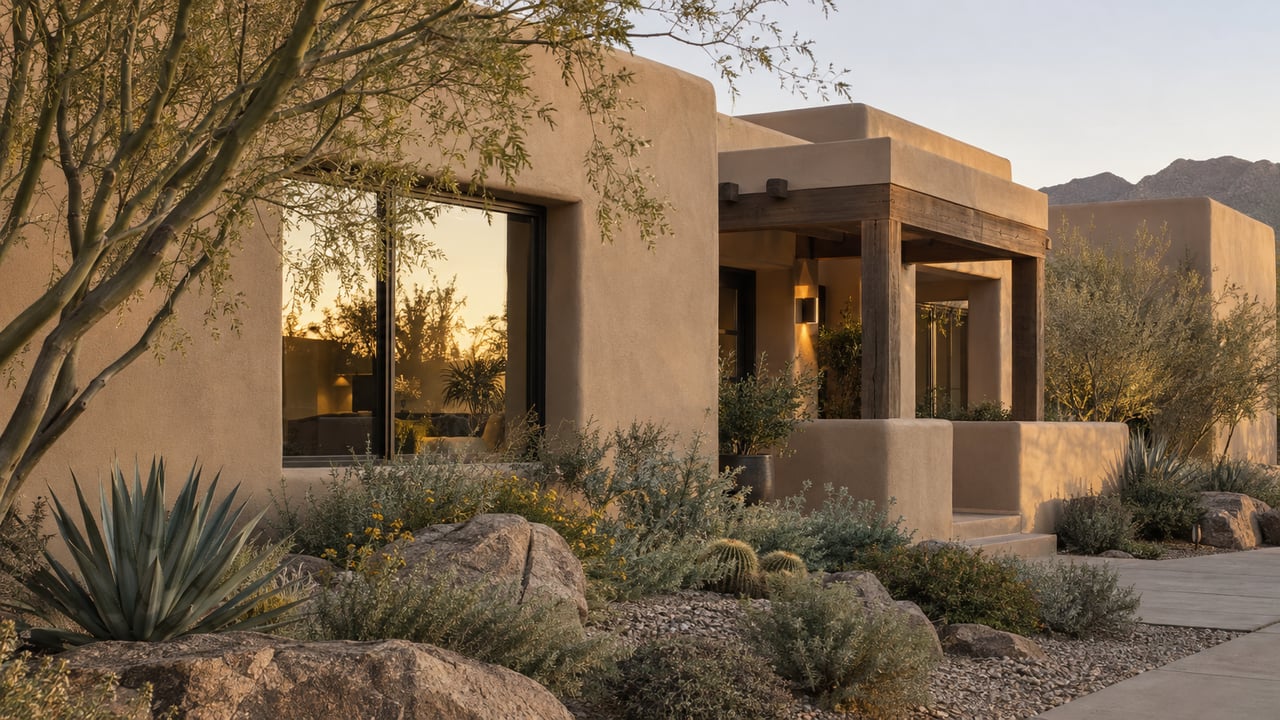
For luxury buyers, Catalina Foothills often stands out because it can pair scenic desert architecture with gated access, managed exteriors, and a more turnkey feel. If you want lock-and-leave ease without giving up design quality or foothills setting, this area often deserves a closer look.
What to verify before you buy
The phrase lock-and-leave can sound simple, but your real protection is in the details. Before you move forward, you want to know exactly what the association does and does not handle.
Review the resale packet carefully
Arizona resale-disclosure laws require important association documents to be provided in many transactions. These can include the declaration, bylaws, current assessments, operating budget, annual financial report, reserve study if there is one, and information about pending litigation. The association may charge up to $400 for preparing and delivering that package.
This packet is one of your best tools for understanding the real ownership picture. It tells you more than a listing description ever can.
Ask these practical questions
If you are comparing communities, focus on the operational details that affect your day-to-day experience. A good shortlist includes:
- Does the HOA cover only common-area landscaping, or also irrigation, exterior paint, roofs, pest control, termite systems, or insurance?
- Is there controlled access, a gate, patrol, or onsite management?
- Are the budget and reserves healthy enough to reduce the risk of surprise special assessments?
- Are there posted landscaping or exterior standards that support a low-water, low-maintenance approach?
- Is the community genuinely structured for seasonal or part-time ownership?
Understand the financial side
Convenience comes with shared costs and shared obligations. Arizona law recognizes common-expense liens and foreclosure remedies for unpaid assessments in condominium settings. That makes it especially important to understand dues, reserve planning, and the overall financial health of the association before you buy.
In other words, convenience should be matched by clarity. The more complete your review, the more confidently you can judge whether a home is truly turnkey for your needs.
What sellers should know
If you are selling a home that could appeal to lock-and-leave buyers, precision matters. Today’s buyers are not just looking for attractive photos and the word turnkey. They want clear information about what the community maintains, how the property is designed for desert conditions, and whether absentee ownership is realistically supported.
That means your positioning should highlight specifics like HOA-managed landscaping, exterior care, controlled access, onsite management, or desert-appropriate finishes and plantings. In a luxury market, well-presented details help buyers understand the value behind the lifestyle.
The bottom line on Tucson lock-and-leave living
In Tucson, lock-and-leave luxury living usually works best when three things come together: low-water design, HOA-managed exteriors, and reliable community oversight. When those elements are in place, ownership can feel far simpler for seasonal residents, downsizers, and frequent travelers.
Still, the phrase should never replace due diligence. The real difference between “easy to leave” and “harder than expected” comes down to documents, budgets, maintenance scope, and how thoughtfully the community is built for the desert. If you want a home that supports your lifestyle with fewer surprises, the details are where the value lives.
If you are exploring low-maintenance luxury options in the Catalina Foothills or elsewhere in greater Tucson, Marta Harvey can help you evaluate the ownership structure, design quality, and community fit with a practical local perspective.
FAQs
What does lock-and-leave mean for a Tucson home?
- In Tucson, lock-and-leave usually means a home in a condo or HOA community where exterior or common-area maintenance is handled for you, making it easier to leave the property for stretches of time.
What should Tucson buyers check in an HOA before buying a lock-and-leave home?
- You should verify exactly what the HOA covers, review the budget and reserve study if available, check for pending litigation, and confirm whether features like gates, patrol, or onsite management are in place.
Are Tucson lock-and-leave homes maintenance-free?
- No. Tucson landscapes and irrigation systems still need regular maintenance, so these homes are generally lower-maintenance rather than no-maintenance.
Which Tucson property types are best for lock-and-leave living?
- Condos, patio homes, villas, and some seasonal-owner communities often fit best because they are more likely to include shared maintenance and community oversight.
Why is Tucson well suited to lock-and-leave living?
- Tucson’s hot, dry climate and emphasis on low-water landscaping make durable materials, xeriscape, and HOA-managed exteriors especially practical for owners who want a simpler upkeep routine.