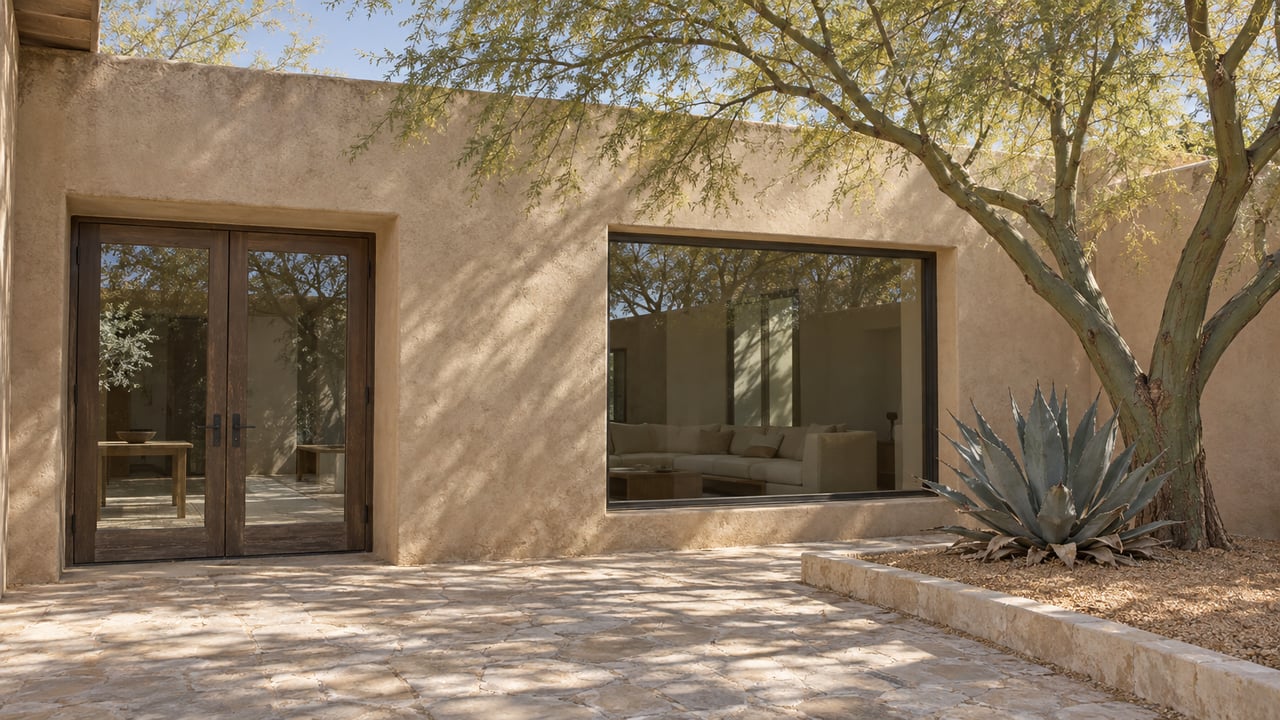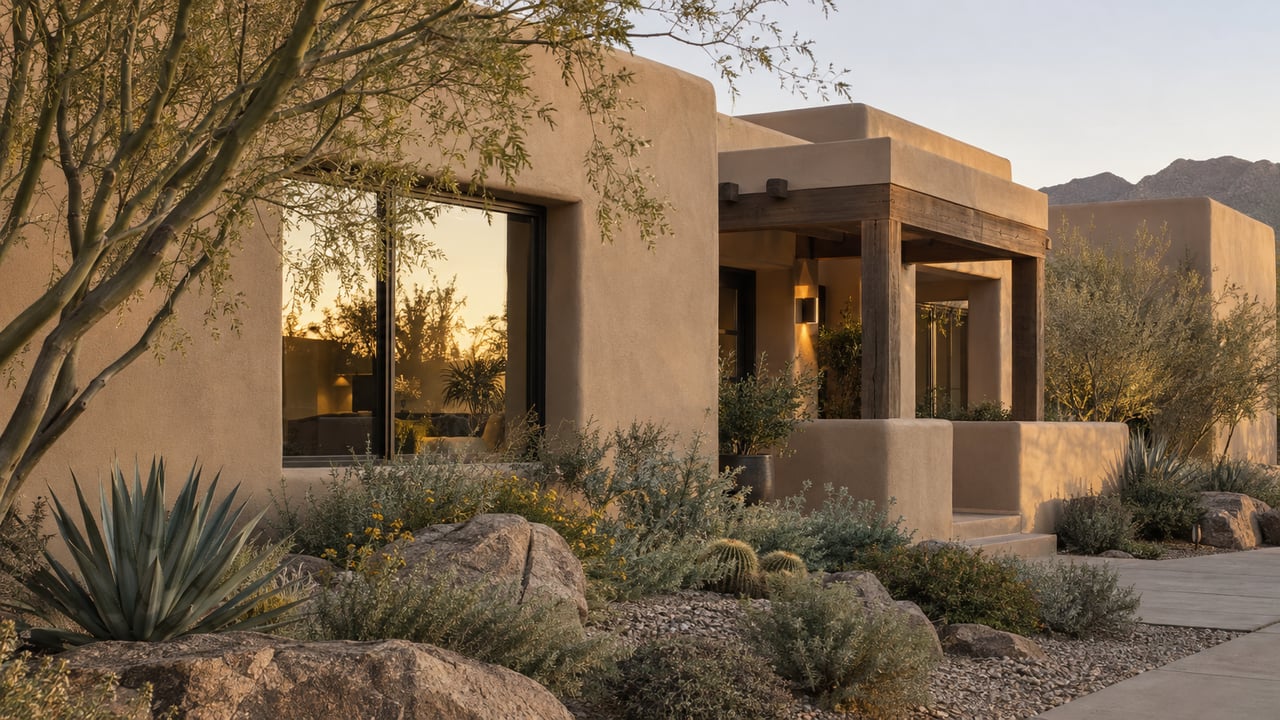
Picture two listings, both in the Catalina Foothills, both priced within a few thousand dollars of $950,000, both roughly the same square footage. One buyer closes and starts unpacking. The other buys into a community where the neighborhood association requires a club membership initiation fee before move-in, plus annual dues that run into five figures. Same price. Same zip code. Very different first year of ownership.
Those differences reflect the range of costs across the Catalina Foothills market. A median price from a national search site provides a broad snapshot, but does not describe the costs associated with a specific home.
One number, two different housing stocks
The Catalina Foothills is not a single market with a single price curve. It is more than 15 distinct communities stitched together under one name, ranging from 1970s condos near the Rillito River to guard-gated custom estates bordering the Coronado National Forest. When a headline reports a Catalina Foothills median, it is averaging those together.
Over the three months ending May 2026, the median sale price across the Catalina Foothills came in at $690,000, with a median price per square foot of $302, down about 2.6 percent from the same period a year earlier. Homes sold in an average of 56 days, compared with 59 days the year before, and 314 homes closed in May 2026 versus 303 in May 2025. That is a reasonable snapshot of overall market temperature. It is a poor guide to what any specific buyer will pay, because it blends entry-level condos with seven-figure estates into a single line.
To see why, it helps to walk the price tiers the way a Foothills shopper actually encounters them.
What that number actually buys, tier by tier
As of January 2026, the pricing bands inside the Foothills broke down roughly like this:
| Segment | Typical price range | What defines it |
|---|---|---|
| Condos and townhomes | $300,000 to $700,000 | Entry points into gated communities like Ventana Canyon and La Paloma, often without an acre of land attached |
| Single-family homes on an acre or more | $900,000 to $1.5 million | The starting line for what most buyers picture when they say "Foothills house" |
| Ultra-premium enclaves | $2 million to $5 million and up | Communities like Pima Canyon and Canyon Ranch, where privacy and custom architecture replace golf as the organizing amenity |
A buyer who anchors on the citywide median and assumes it describes a single-family home on real acreage is starting from the wrong number by several hundred thousand dollars. The median is not wrong. It is just describing a blended population that no individual buyer is actually shopping in.
The highest listing recorded in the Foothills reached $12.95 million as of January 2026, and homes across the submarket have recently sold in the neighborhood of 98 percent of list price, another figure that means very different things depending on whether the list price was $450,000 or $4.5 million.
Costs not reflected in the median
Club membership structure varies by community and is not reflected in the sale price.
At Ventana Canyon and at La Paloma, country club membership is optional. A buyer can purchase a home in either community and simply not join. At Skyline Country Club, membership is typically required, and the numbers are specific: initiation fees run from roughly $10,000 to $25,000, with annual dues in the range of $5,000 to $10,000. That is a real, recurring carrying cost that sits on top of the purchase price and has nothing to do with square footage, lot size, or finish quality.
Skyline itself is a useful case study in how layered this can get. The neighborhood was established in 1963 at the base of the Santa Catalina Mountains, with homes built largely by David Fraker and additional work from architects Lewis Hall, Ivan Sarkiss, and Robert Jenkins. Every single-family home there falls under a master HOA, the Skyline Country Club Estates Improvement Association, and the townhome sections carry a second layer of association fees on top of that. The country club membership, with its own initiation and dues structure, is a separate arrangement entirely from either HOA.
A buyer comparing a Skyline listing to a similarly priced Ventana Canyon listing is comparing two different obligation structures. One may include an initiation fee as high as $25,000 plus another $5,000 to $10,000 every year after that.
Why Catalina Foothills Estates is its own case entirely
The oldest and, in some pockets, most architecturally distinct part of the submarket runs on a different logic still. Catalina Foothills Estates was developed starting in the 1920s by John and Helen Murphey, working with architect Josias Joesler, who paired Spanish Colonial Revival forms with Sonoran Desert materials. The community was originally marketed to prominent Eastern families as a winter retreat, and it is still organized into numbered sub-neighborhoods, Estates No. 1 through Estates No. 10, each with its own character.
Homes verified as Joesler-designed carry a premium of roughly 15 to 25 percent over comparable non-Joesler properties in the same immediate area. That is a pricing effect driven entirely by architectural provenance, not lot size or square footage, and it will not show up in any median calculation. It shows up only when a buyer or an appraiser knows to look for it.
Further south, where the Foothills meets the Rillito River, a different value proposition takes over: proximity to The Loop trail system, the restaurants along River Road, and St. Philip's Plaza, with contemporary architecture drawing active professionals who want walkability more than acreage. Same neighborhood name, entirely different set of reasons to buy.
What this means if you are still comparing neighborhoods
If you are cross-shopping the Foothills against other parts of Pima County, the median is a fine starting point for gauging overall market direction: prices roughly flat to slightly down on a price-per-square-foot basis over the past year, inventory moving a little faster than it was twelve months ago, sellers still getting close to full asking price. Use it for that.
Do not use it to budget for a specific type of home. The question that actually determines your number is which of the 15-plus communities you are shopping in, whether that community requires club membership or makes it optional, and whether the architecture carries a provenance premium. Those three questions will move your real number by hundreds of thousands of dollars in either direction, long before the median ever enters the conversation.
A few questions worth asking before you write an offer
Is club membership always disclosed in the listing itself? Not consistently. Membership status is often a function of the HOA's governing documents rather than the MLS listing, so it needs to be confirmed directly with the association, not assumed from the price or the presence of a golf course view.
Does every Foothills community have a club attached at all? No. Areas built around privacy and acreage, like Pima Canyon and Canyon Ranch, sell on architecture rather than a golf amenity, and the communities south of Sabino Canyon Recreation Area market themselves specifically on Foothills living without the gated, club-anchored premium.
Can the Joesler premium be confirmed before closing? Provenance on early Catalina Foothills Estates homes can typically be traced through historical building records for the specific address, which matters both for insurance purposes and for understanding whether the asking price reflects a genuine architectural premium or simply a well-staged listing.
Comparing Foothills communities on price alone leaves out the two variables that actually decide what a home will cost you to live in: the club structure attached to the address and the architectural pedigree behind the walls. If you are trying to figure out which of these fifteen-plus communities actually fits your budget and your plans, Marta Harvey can walk you through the specific HOA documents, club tiers, and provenance records for any address you are considering, as you compare options.
This article is general information, not legal, tax or financial advice. Consult a qualified professional about your situation.