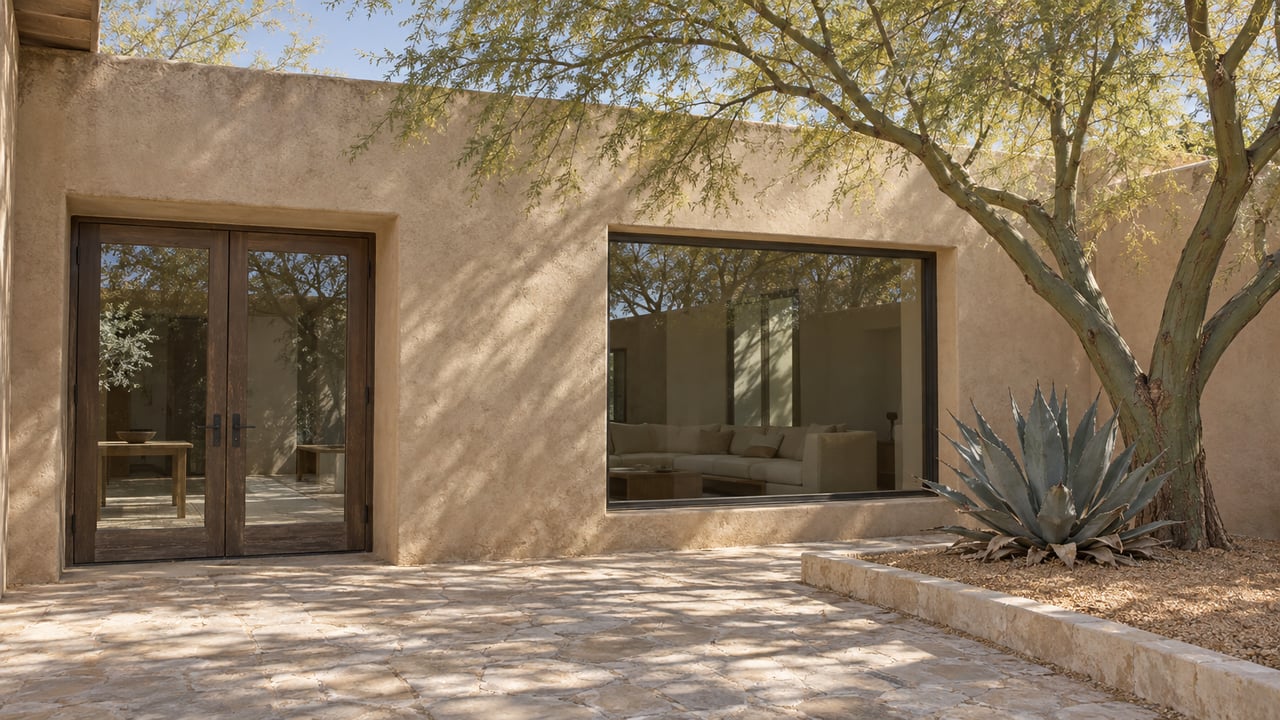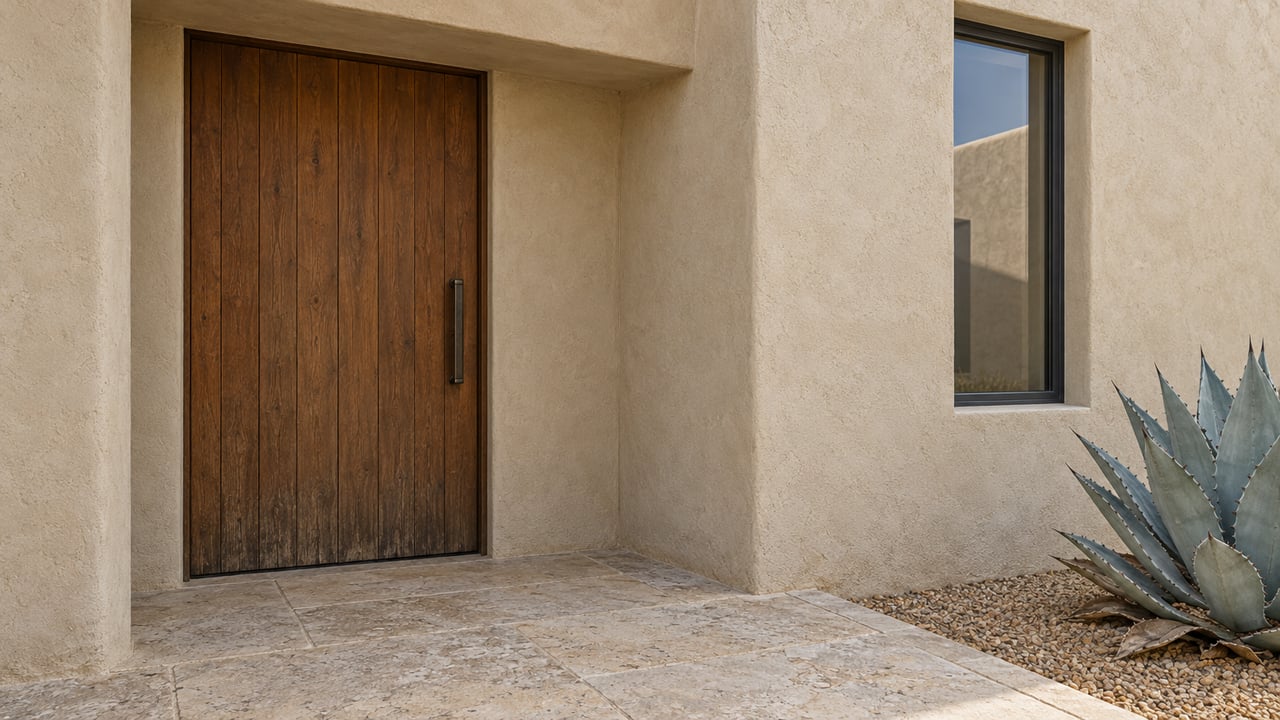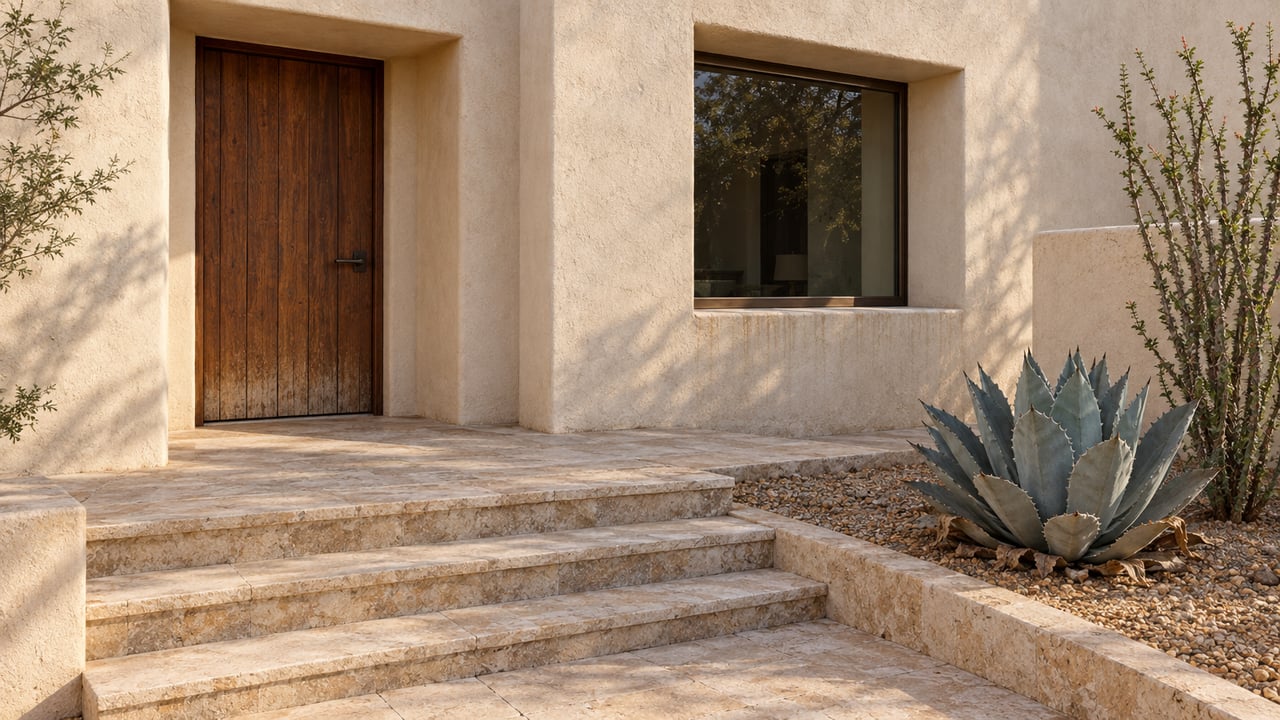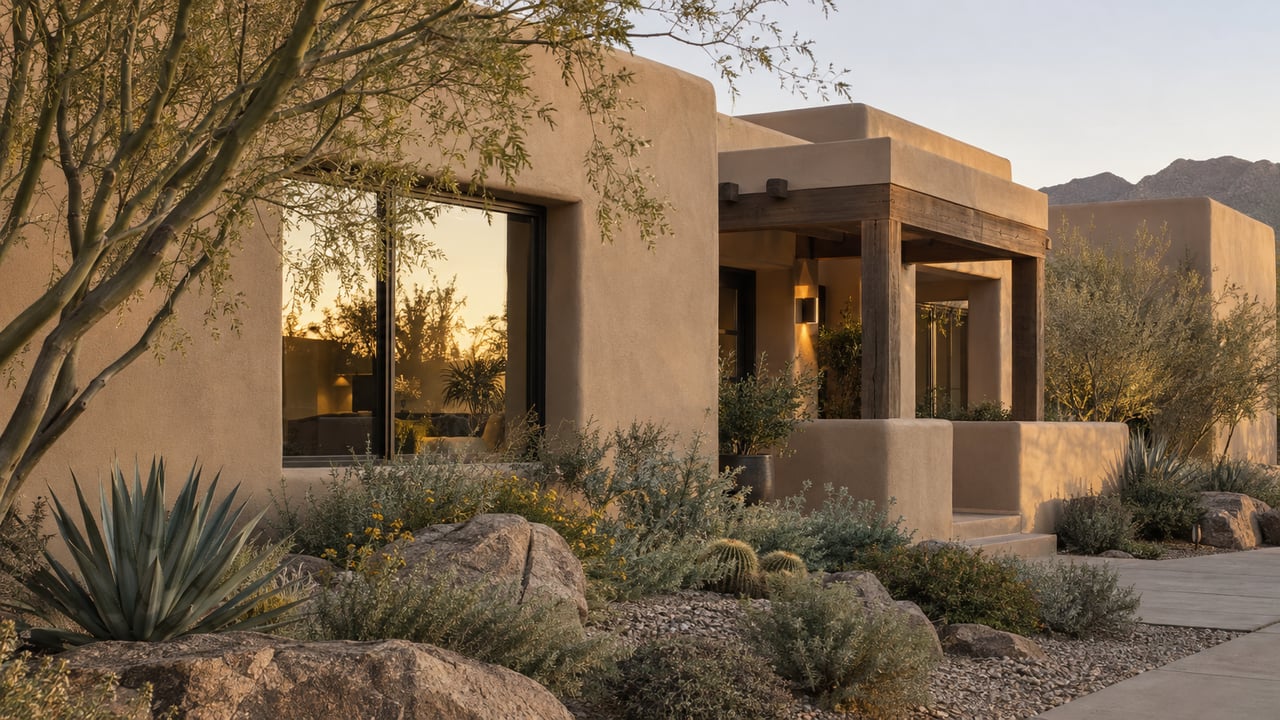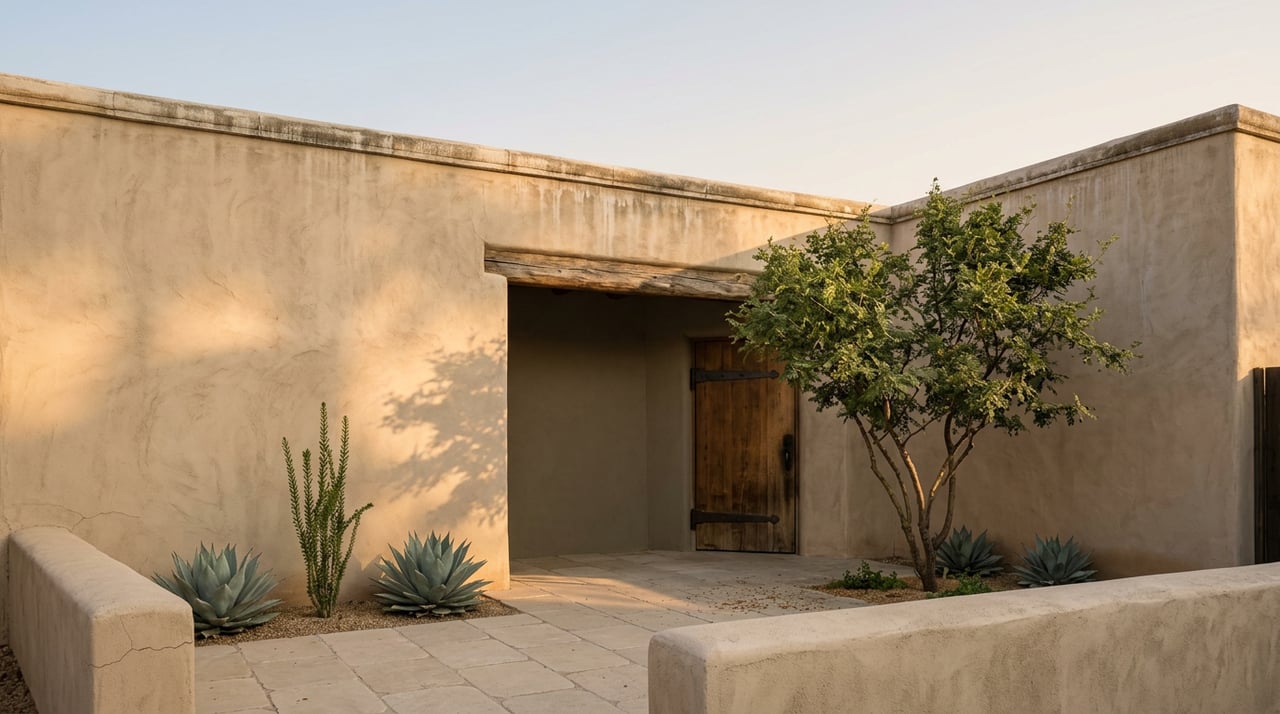
Two buyers closed on 1930s adobe houses in central Tucson within the same month this year. One bought in Colonia Solana, the winding, arroyo-laced enclave that borders Reid Park on its east and south sides. The other bought in El Presidio, the small grid of streets just north of the downtown government buildings. Both wanted the same thing eventually: a rear addition for a home office. One buyer got a straightforward yes after confirming the addition sat well outside the required setback. The other learned that El Presidio's design guidelines require any change to the exterior to match the specific architectural period of the existing house, even though the house next door was built in a completely different style forty years later. Same city. Same word on the listing sheet, "historic district." Two different rulebooks.
That's the part the price on the listing never shows you.
Twenty-eight neighborhoods, twenty-eight sets of rules
Tucson doesn't have one historic district. It has 28 of them, each individually listed on the National Register and each governed by its own Historic Preservation Zone overlay under the city's Unified Development Code. Armory Park, Barrio Viejo, Blenman-Elm, Catalina Vista, Colonia Solana, Dunbar Spring, El Encanto Estates, El Presidio, Feldman's, Fort Lowell, Iron Horse, Jefferson Park, Sam Hughes, West University, Winterhaven. The city keeps the full list in its guide to sustainable historic homes, and it is worth reading before you fall for a listing photo.
The overlay itself is not decorative. Under UDC Section 5.8, an "H" prefix gets added to a property's underlying zoning designation, and that prefix triggers design review for exterior changes. What review actually asks for depends entirely on which of the 28 you're standing in.
In El Presidio, the standard is compatibility with the specific building, not the neighborhood as a whole. The code is explicit that alterations must be "consistent with the style and period(s) of the subject building," and that other styles existing nearby does not create precedent for your renovation. That's a narrower bar than most buyers assume when they see a historic tag on a listing.
In Colonia Solana, the friction shows up differently. SAH Archipedia records 50-foot front setbacks and 25-foot side setbacks, description that calls out explicitly as more restrictive than the more formally planned El Encanto Estates directly across Broadway. Two historic subdivisions, built within a year of each other by different developers with different philosophies, and one leaves you with meaningfully less buildable footprint than the other.
Neither of these facts appears in a median price. Both of them change what a given lot can actually become.
The median itself is guessing
Here's the second problem, and it compounds the first. In small, low-volume districts like these, the "median price" you see on a portal isn't a stable number. It's an artifact of how few homes sold that month.
Pull three different sources for Sam Hughes in the same mid-2026 window and you'll get medians ranging from roughly $420,000 to over $600,000, depending on whether the sample includes townhomes, how many single-family homes actually closed, and which weeks the snapshot covers. That's not measurement error in the normal sense. It's what happens when a neighborhood with a few dozen annual closings gets summarized the same way as a submarket with thousands.
Compare that to the city as a whole. Tucson's broader market, measured across roughly 1,300 closings a month as of mid-2026, produces a median sale price that barely moves month to month, land in the $315,000 to $325,000 range depending on the tracking window. More sales means the number settles down. Fewer sales means it swings.
For a buyer comparing Sam Hughes to a Foothills listing or a suburban tract home, the practical takeaway is this: don't anchor on the median for a historic district the way you would for a large submarket. Ask your agent to pull the actual closed comps for that specific block, not the aggregated number a portal generated from a handful of sales.
The deed restriction that expired, and the overlay that didn't
Colonia Solana carries one more wrinkle worth knowing before you assume you understand what "historic" means there. When the subdivision was platted in 1928, its developer recorded deed restrictions that the City of Tucson's National Register documentation describes as the strongest legal safeguard available to a planned community at the time and that were written to run for fifty years. That clock ran out around 1978.
A buyer skimming old title documents might reasonably conclude the restrictions are gone and the design controls with them. They'd be half right. The private deed restriction expired. But the public HPZ overlay and the National Register listing that followed did not go anywhere. The practical result is a neighborhood where the original enforcement mechanism sunset decades ago, but design review remains.
This matters most at the exact moment a buyer starts planning changes. The house may look like it has no strings attached once you clear title. The city's design review process says otherwise.
| District | What's specifically restricted | Why it changes the math |
|---|---|---|
| El Presidio | Renovations must match the style and period of the existing building, not just the general neighborhood character | A mixed-style block doesn't give you more design latitude, it gives you less certainty |
| Colonia Solana | 50-ft front and 25-ft side setbacks, tighter than neighboring El Encanto Estates | Meaningfully less buildable footprint on lots that already run large |
Where the statewide casita law doesn't reach
Arizona's newer statewide accessory dwelling unit law loosened a lot of local restrictions on casitas and backyard units. What it did not do is exempt historic districts from design review. A homeowner in Sam Hughes or Armory Park who wants to add a casita still needs Historic Preservation Commission sign-off on how that structure looks from the street, even if the underlying zoning now permits the unit itself. The state law changed who can say no to the use. It didn't touch who reviews the look.
For a design-minded buyer weighing a fixer-upper against a turnkey Foothills property, that's a real variable, not a footnote. A renovation budget built around a generic Tucson timeline will run long the moment it crosses into one of these 28 districts.
What this means before you write an offer
If a historic-district property is on your list, do three things before the price becomes the deciding factor.
Ask your agent for the specific HPZ design guidelines document for that exact district, not a general summary. El Presidio and Colonia Solana are governed by materially different standards even though both sit inside Tucson's historic core.
Pull actual closed comparables for the block, not the aggregated portal median. In a district with a handful of monthly sales, the median is telling you about sample size as much as it's telling you about value.
Build renovation timelines around the design review layer, not just standard city permitting. If your plans include any exterior change, from a casita to a rear addition, budget the extra review weeks into your schedule before you write a contingency deadline into an offer.
None of this makes these neighborhoods a bad buy. Colonia Solana's arroyo-lined streets and El Presidio's walk to the historic downtown core are exactly the kind of texture that new construction can't replicate. The point is narrower: the number on the listing tells you what someone paid. It doesn't tell you what you're allowed to do next, and in a city with 28 separately governed historic districts, that second question is the one that actually determines cost.
A few questions worth asking before you tour
Does every house in a historic district have to look old? No. El Presidio's own design guidelines acknowledge a mix of Sonoran, Victorian, Spanish Colonial Revival, and Bungalow styles standing side by side. The review standard is compatibility with the specific building, not a uniform look for the block.
Can I still build a casita in these districts? Generally yes, subject to Historic Preservation Commission design review on top of the standard zoning permission created by Arizona's statewide ADU law. The use is allowed. The look still has to clear review.
Is a historic district cheaper or more expensive than the Foothills? There's no single answer, and the wide swing in reported medians for districts like Sam Hughes is part of why. The better question is what a specific comparable sold for on that specific block in the last few months, not what a district-wide median implies.
If you're comparing a central Tucson historic property against Foothills options, or trying to figure out what a specific renovation will actually clear, Marta Harvey can walk the numbers and the design review process with you before you write an offer. Get My Valuation to start the conversation with real comps instead of a portal average.
This article is general information, not legal, tax or financial advice. Consult a qualified professional about your situation.