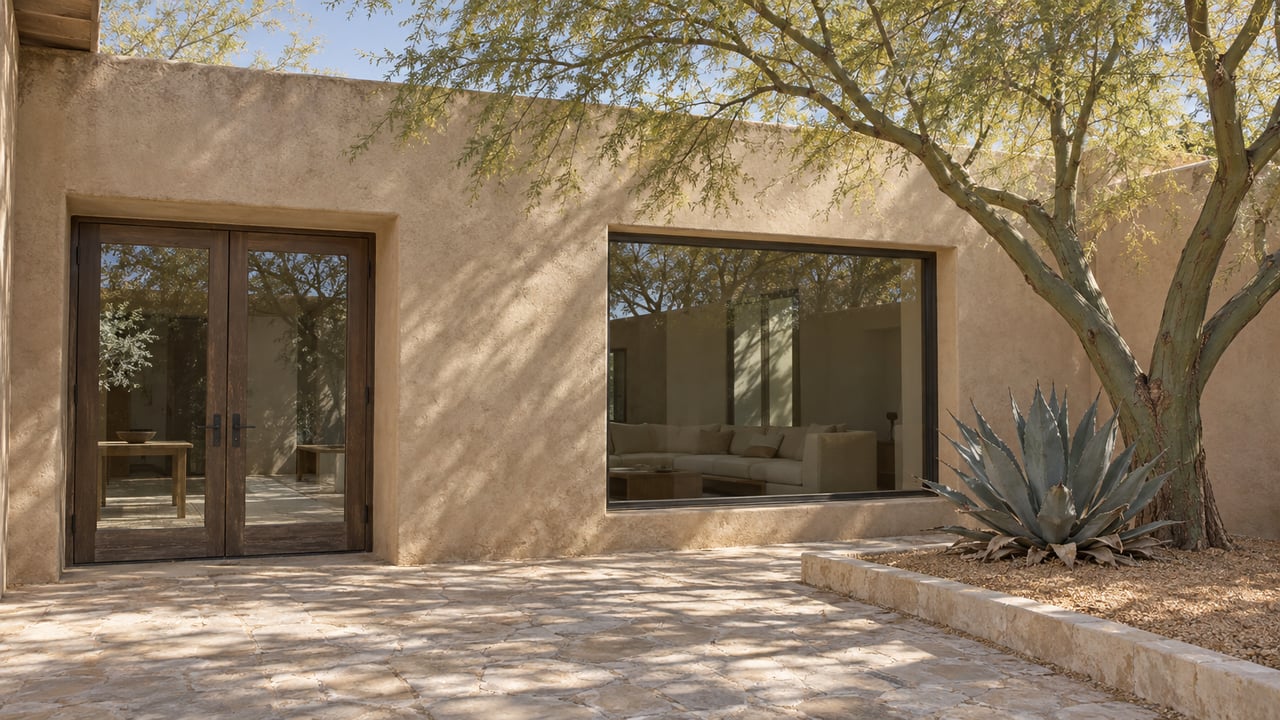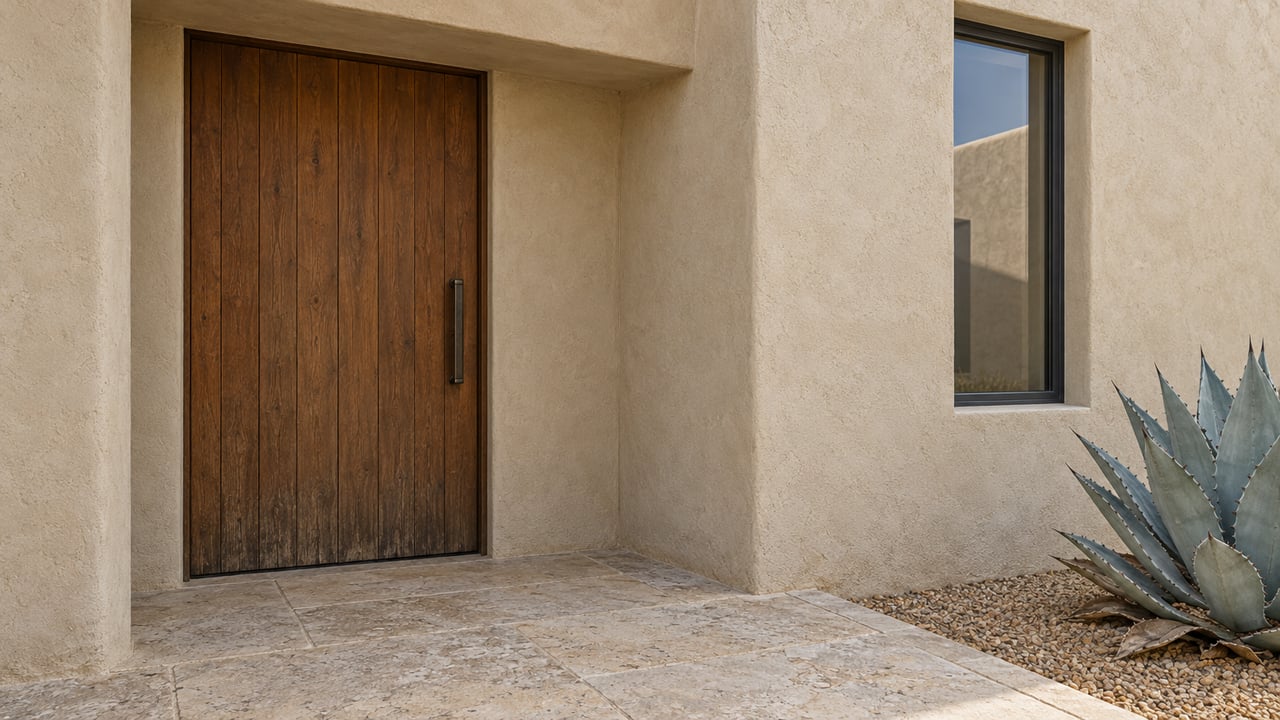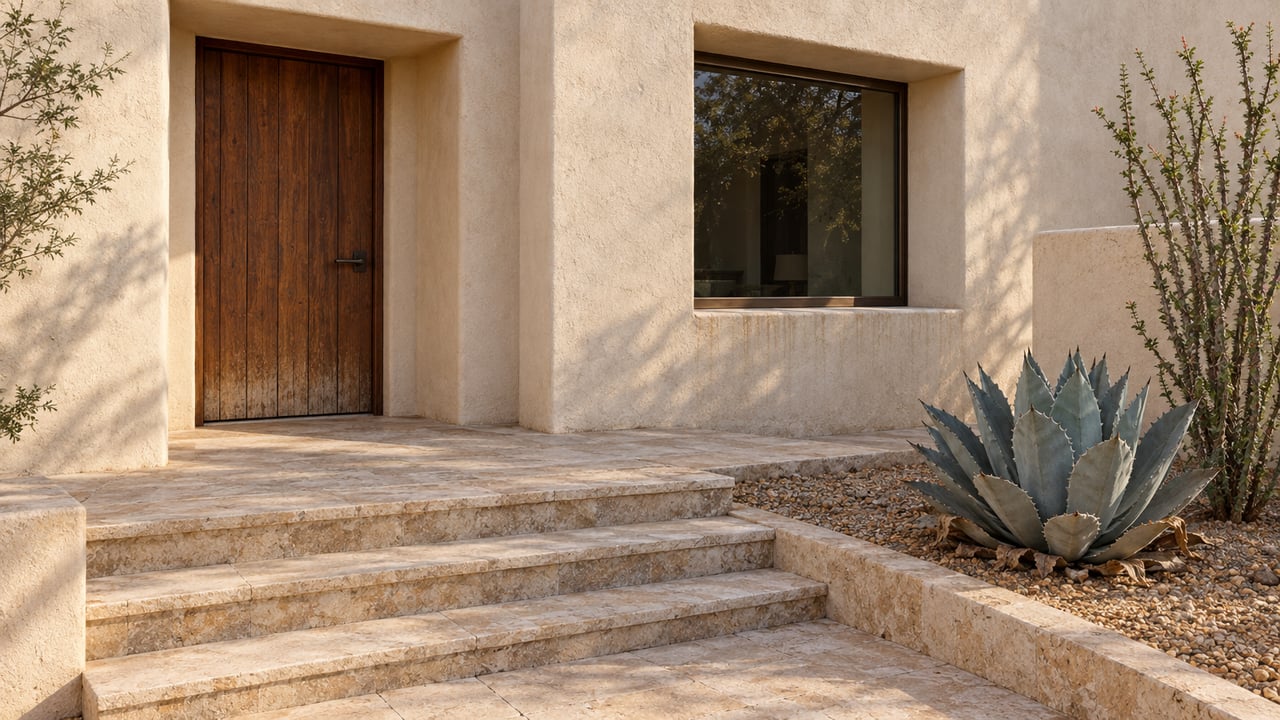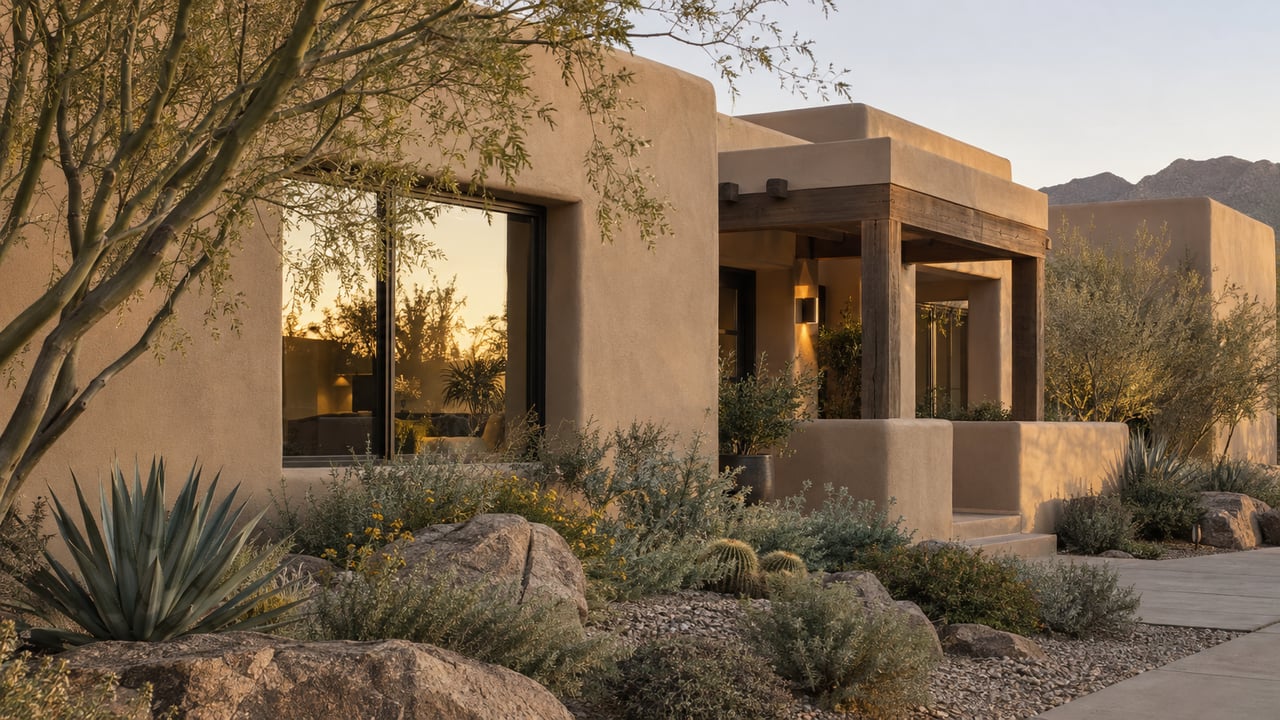
Wondering whether to buy a turnkey luxury home, remodel an older property, or build from the ground up in Tucson? That choice often comes down to construction cost more than style alone. If you are weighing options in the foothills or greater Pima County, understanding where the money and time really go can help you make a smarter decision with fewer surprises. Let’s dive in.
Why construction costs matter in Tucson luxury
In Tucson’s luxury market, your decision is often happening far above the broader market’s pricing baseline. The Tucson median sales price was $359,000 in March 2026, while luxury buyers are usually comparing homes and projects well beyond that level. That gap matters because cost pressures on high-end homes tend to grow with size, finish level, and site complexity.
National construction benchmarks help frame the issue, even though they are not Tucson-specific estimates. According to NAHB’s 2024 survey, the average single-family home sales price was $665,298, with $428,215 tied to construction costs alone, or 64.4% of the total. Finished lot cost accounted for 13.7%, and profit accounted for 11.0%.
A simple illustration shows why this matters. Using NAHB’s benchmark of about $162 per square foot, a 3,500-square-foot home suggests roughly $567,000 in construction cost before you add the lot, financing, commissions, and profit. For a Tucson luxury buyer, that means layout changes, finish selections, and site conditions can shift the total quickly.
What pushes a Tucson luxury budget higher
Labor affects both cost and timing
Construction budgets are shaped by more than materials. Labor rates and subcontractor availability can affect your final cost, your schedule, and how much flexibility you have once a project starts.
Tucson area wage data helps show the moving parts. Mean hourly wages were $24.99 for carpenters, $27.52 for electricians, $26.28 for plumbers, $25.02 for HVAC mechanics, $21.66 for painters, $25.43 for drywall and ceiling tile installers, and $34.91 for first-line construction supervisors. NAHB also reported that 61% of builders still saw labor cost and availability as a serious problem in 2025.
For you, that can mean longer lead times, tighter contractor schedules, and less room for late-stage changes. In luxury homes, where custom details often require coordination across several trades, labor pressure can become a decision driver very quickly.
Finishes are a major cost center
In luxury real estate, it is easy to focus on stone, cabinetry, lighting, or appliances. Those visible choices matter, but they also sit inside a larger budget structure that can be easy to underestimate.
NAHB’s 2024 breakdown shows interior finishes are the largest single construction-cost category at 24.1%. Major systems rough-ins account for 19.2%, framing 16.6%, exterior finishes 13.4%, and foundations 10.5%. That means the parts of the home you see and touch every day can carry a very large share of the total.
Material pricing has also stayed elevated. NAHB reported residential building material price growth above 3% since June 2025, reaching 3.5% year over year in January 2026, with metal products especially high. In practical terms, custom glazing, specialty doors, steel details, and mechanical upgrades can have an outsized impact on a Tucson luxury build or remodel.
Remodel costs can add up fast
If you are considering a remodel instead of buying turnkey, it helps to separate cosmetic work from major scope expansion. Renovation numbers vary widely, but even national median benchmarks show how quickly costs rise once kitchens and baths are involved.
Houzz’s 2025 survey found a median renovation spend of $20,000 overall, $55,000 for a large kitchen remodel, and $25,000 for a large bathroom remodel. The top 10% of renovators spent $140,000 or more. In the luxury segment, where finish expectations are usually higher, concentrated improvements often make more financial sense than a whole-house overhaul.
Tucson and Pima County rules that shape decisions
Permits are part of the real budget
One of the biggest mistakes buyers and sellers make is treating permits and fees like a minor side note. In Tucson and Pima County, they are part of the real project cost and can also affect timing.
The City of Tucson says most residential projects need permits, including additions, remodeling, porches, air conditioners, water heaters, gas piping changes, walls and fences over 7 feet, and detached accessory structures over 200 square feet. Pima County also notes that new buildings, remodels, grading, and floodplain situations can trigger permits.
If you are looking at a luxury property with plans for outdoor living changes, guest space, mechanical upgrades, or structural alterations, permit review should be part of your early planning. That is especially true for custom homes where the work goes beyond simple finish replacement.
Review timelines can influence your strategy
Timing matters just as much as price, especially if you are relocating, selling one home before buying another, or trying to complete work before listing. Permit lanes and review periods can affect whether a project feels manageable or frustrating.
The City of Tucson’s permit dashboard says Express Lane is same-day for certain tasks, Fast Lane has a 15-day target, and Standard Lane has a 30-day target for alterations and new building permits. Pima County says building permit review targets are 5 business days for projects up to 20,000 square feet and 10 days for larger projects, although more complex or floodplain-related projects can take longer.
For luxury clients, this matters because the scope is often larger and more customized. A plan that looks simple on paper can slow down once site conditions, engineering, or code-related details enter the conversation.
Local fees can materially affect project math
Soft costs deserve just as much attention as hard construction costs. Development review fees, impact fees, and utility-related charges can change your budget before work even begins.
The City of Tucson adopted development review fee increases of 3.5% in fiscal year 2025 and another 3.5% in fiscal year 2026. Pima County says building permit fees can include building, sewer connection, and transportation impact fees.
Outside city limits, Pima County’s roadway development impact fee for a single-family detached house is $9,149 per unit plus a $75 administrative fee through September 30, 2026. Compared with NAHB’s average 2024 construction cost, that alone is roughly 2.1% before any other local fees are added.
Site work can be a hidden driver
In Tucson luxury housing, the lot itself can reshape the budget. A beautiful desert parcel, hillside setting, or view lot may offer strong long-term appeal, but it can also bring grading, drainage, or access challenges.
Pima County says a grading permit may be required for a single dwelling on a single lot with 14,000 square feet or more of graded area. The City of Tucson also notes permits can be required for exterior work such as higher decks, enclosing porches, fireplaces, siding, skylights, and structural roof work.
This is why site prep can be just as important as the finish package. On some luxury properties, the path to the finished home is shaped as much by the land as by the architecture.
How to choose between turnkey, remodel, and new build
When a move-in-ready home may make sense
A turnkey or lightly updated luxury home often makes sense when you want a predictable timeline and a clearer total cost. If your priorities include location, views, layout, and finish level, a completed home can reduce your exposure to labor swings, material increases, and permit delays.
This can be especially appealing if you are relocating or want to enjoy the property soon after closing. In many cases, paying for completed work is easier to evaluate than trying to price future work with multiple moving parts.
When a remodel may be the better path
A remodel is often most defensible when the location and structure are already right. If the home has strong bones, a good lot, and the kind of plan you can improve without major structural changes, focused updates may offer a more balanced path.
The most sensible projects are usually the ones that stay concentrated in visible value drivers such as kitchens, baths, paint, lighting, flooring, and selective exterior refreshes. Because interior finishes make up the largest share of construction cost in NAHB’s survey, these updates often align best with what buyers notice most.
When a new build may justify the cost
A ground-up build can still be the right choice when the lot is exceptional and customization is your top priority. If you value a specific floor plan, modern systems, energy performance, or tailored indoor-outdoor living, the higher complexity may be worth it.
The key is going in with clear expectations. In Tucson, the final decision should account for lot cost, permit timing, impact fees, site work, and finish selection, not just the cost per square foot.
What sellers should take from this
If you are preparing to sell a luxury home in Tucson, construction cost data can help you spend more strategically. Major overhauls are not always the best answer, especially when broad renovations are harder to recover in price.
Targeted pre-listing improvements are often easier to justify. Fresh finishes, lighting, flooring, paint, and selective updates in kitchens and baths can improve presentation without pulling you into the cost and timeline risks of larger structural work.
That is where construction-informed advice matters. A thoughtful plan can help you focus on the updates buyers will see, appreciate, and factor into their offer decisions.
If you are weighing whether to buy, remodel, build, or prepare a luxury home for sale in Tucson, the right strategy starts with clear numbers and local context. Marta Harvey brings a construction and design perspective to luxury real estate decisions across Tucson’s foothills and greater Pima County.
FAQs
How do construction costs affect Tucson luxury home buyers?
- Construction costs shape whether a turnkey home, remodel, or new build makes the most sense by affecting total budget, project timing, and the risk of changes tied to labor, materials, permits, and site work.
What permit timelines apply to Tucson residential projects?
- The City of Tucson says Express Lane can be same-day for certain work, Fast Lane has a 15-day target, and Standard Lane has a 30-day target for alterations and new building permits, while Pima County lists 5-business-day and 10-day review targets depending on project size.
What local fees matter for Pima County luxury home construction?
- Pima County says fees may include building, sewer connection, and transportation impact fees, and outside city limits the roadway development impact fee for a single-family detached house is $9,149 plus a $75 administrative fee through Sept. 30, 2026.
When is remodeling a Tucson luxury home most practical?
- Remodeling is usually most practical when the home already has the right location and structure, and the work stays focused on visible upgrades like kitchens, baths, lighting, flooring, paint, and selective exterior improvements.
Why can Tucson luxury lots increase project cost?
- Desert and hillside lots can require additional grading, permitting, and site preparation, which means the land itself can add meaningful cost and time before vertical construction or major exterior improvements begin.