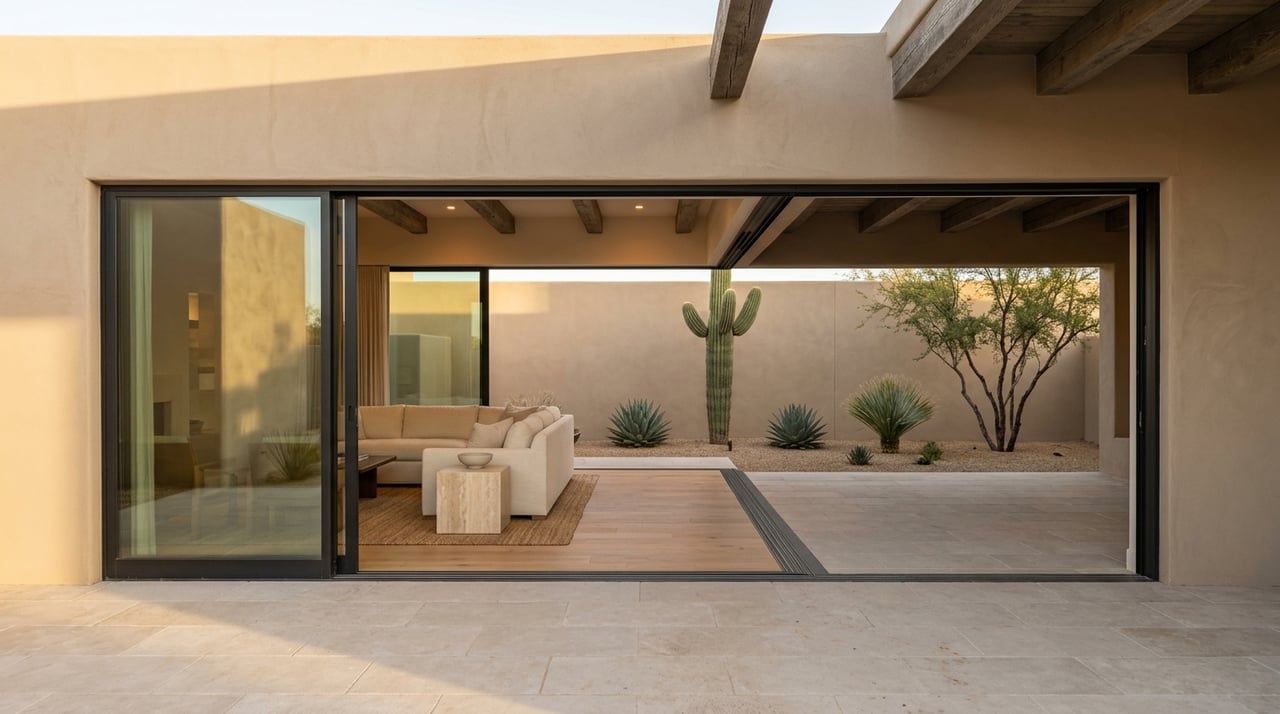
If you are planning a custom luxury build in Tucson while living somewhere else, the process can feel equal parts exciting and complex. You are trying to choose the right land, understand local rules, and make major design decisions without being on site every week. The good news is that Tucson can work well for remote owners when you set the project up correctly from the start. Let’s dive in.
Start With Jurisdiction First
One of the most important early steps is confirming whether your parcel is in the City of Tucson or unincorporated Pima County. That single detail affects permitting, review timelines, inspections, and the online systems your team will use. If you assume the wrong jurisdiction, you can lose time before design is even underway.
The City of Tucson requires permits for any dwelling unit, including new houses, guest houses, casitas, and ADUs. Pima County uses its own Permit Gateway and requires electronic submittals for building and site development work. For a remote buyer, this is why parcel research should happen before you get attached to a floor plan or start comparing builder timelines.
In practical terms, your first due-diligence pass should confirm:
- City versus county jurisdiction
- Legal parcel information
- Zoning status
- Floodplain status
- Basic setbacks and access
- Any overlay, special district, or historic review issues
Treat the Lot Like a Design Decision
In Tucson, the land is not just where the home will sit. The site often shapes the home itself. Views, drainage paths, slope, grading needs, and utility access can all influence what is realistic, how long approvals may take, and how much the build may cost.
That matters even more in the luxury segment, where buyers often want foothills parcels, privacy, long sight-lines, and strong indoor-outdoor living. Those qualities can be wonderful, but they also tend to come with more site-specific considerations. A dramatic parcel may offer a better setting, yet require more work before construction can begin.
For many Tucson custom homes, especially on washes, slopes, or foothills sites, the lot deserves as much attention as the home design. If you are buying from afar, this is where local, construction-aware guidance becomes especially valuable.
Understand Tucson Site Risks Early
Some Tucson parcels need far more review than others. If a site is in a regulatory floodplain or WASH area, the project may require an environmental resource report, drainage report, soils report, or hillside development compliance. These are the kinds of issues that can quietly reshape your timeline.
Grading is another major item for larger or steeper lots. In Pima County, a Type I grading permit is required for single-dwelling residential development on a single lot when the graded area is 14,000 square feet or more, when slopes are 15 percent or greater, or when cut or fill slopes exceed certain thresholds. On luxury parcels with broad building envelopes or hillside conditions, that can become a central part of due diligence.
You will also want to sort out water and wastewater early. Tucson Water’s guidance says one water service is allowed per residential lot and one per building, and meters are not installed until the project has been finaled and accepted into the public water system. If sewer is not available, septic permitting follows a county path under Arizona onsite wastewater rules.
For foothills and wildland-edge parcels, wildfire planning should also be part of the conversation. Pima County recommends defensible space, vegetation management, and other fire-resistant practices around the structure. That does not just affect safety. It can also influence your site planning and landscaping approach.
Build the Right Team Before Design Gets Far
A remote custom build runs more smoothly when roles are clear early. The design phase usually moves through schematic design, design development, and construction documents. According to AIA guidance, schematic design is the stage where zoning and jurisdictional constraints are typically identified and addressed.
That is why it helps to lock in your core team before the design advances too far. For an out-of-state owner, a strong process usually includes a clear point of contact, a set approval cadence, and a single place to track decisions. Without that structure, small delays in selections or signoffs can ripple through pricing, permitting, and procurement.
A practical remote-owner workflow often includes:
- One lead contact for weekly updates
- A decision log for finishes, fixtures, and plan revisions
- Scheduled approval windows for drawings and bids
- Clear expectations for response times
- Organized digital files for permits, revisions, and inspections
If your project is complex or time-sensitive, earlier builder involvement can also help. That can make pricing, constructability, and procurement conversations more useful while the plans are still evolving.
Expect a Multi-Phase Timeline
A custom luxury build in Tucson should be measured in months, not weeks. Construction is only one part of the full calendar. Before site work starts, you may still need surveying, soils testing, utility applications, financing, permit submittals, and final construction documents.
The design stage itself is detailed. A permit package for a new dwelling in Tucson can include a cover sheet, plot plan, floor plan, foundation plan, roof framing and ceiling plan, sections, elevations, energy compliance documents, and mechanical, plumbing, and electrical plans. For a well-designed custom home, that work takes time and coordination.
Once plans are ready, permitting timelines depend on jurisdiction and site complexity. The City of Tucson lists a 30-day review goal for new building permits in its Standard Lane. Pima County targets 5 business days for many residential building projects up to 20,000 square feet and 5 business days for site development instruments, with a 15-business-day guarantee for all projects, though floodplain or complex conditions can take longer.
After permits, the project generally moves through these stages:
- Site work and foundation
- Structural shell
- Mechanical, plumbing, and electrical rough-ins
- Exterior finishes
- Interior finishes
- Final sitework
- Closeout and move-in
NAHB reported an average of 9.1 months from construction start to finish for single-family homes in 2024 data, but that is only a baseline. In Tucson, especially for a luxury custom build on a complex parcel, preconstruction and permitting can add substantial time before the first excavation begins.
Use Tucson’s Digital Systems to Stay Involved
One reason Tucson can be workable for remote owners is that both city and county processes support digital management. Tucson Development Center Online offers email notifications, a personal dashboard, payment tools, inspection scheduling, and templates for common applications. Pima County’s Permit Gateway handles permit applications, revisions, inspections, records searches, and property research.
That means you do not need to be physically present for every document or every milestone. Still, remote ownership only works well when your team keeps the digital trail organized and you are ready to make decisions promptly. Delayed approvals from an owner who is traveling or juggling time zones can slow a project quickly.
If you are building from afar, ask your team to create a simple communication rhythm. Weekly updates, milestone check-ins, and same-day confirmation on urgent questions can reduce stress and help everyone stay aligned.
Plan Travel Around Key Milestones
Many out-of-state buyers assume the first trip should be tied to the construction start. In practice, that is not always the most useful time to visit. Site prep and early construction matter, but they are not always the moments when your in-person input has the highest value.
A better strategy is often to plan travel around decisions that benefit from being on site. That may include lot selection, final design review, major finish confirmations, and the punch-list stage near completion. These visits tend to be more productive than frequent short trips with no clear decision agenda.
The occupancy step also varies by jurisdiction. The City of Tucson requires a Certificate of Occupancy for new residential buildings. In Pima County, final inspection approval of a single-family dwelling serves as the Certificate of Occupancy, and no separate certificate is issued.
For many remote owners, the smartest final visit is timed around punch-list review, orientation walkthroughs, and occupancy approval. That gives you a more complete picture of the home and puts your trip at a stage when details truly matter.
Keep Your Priorities Clear From Day One
The most successful remote luxury builds usually start with a few clear priorities. You may care most about view preservation, privacy, architectural character, low-maintenance finishes, or move-in timing. Those priorities help your team make better recommendations when tradeoffs appear.
In Tucson, those tradeoffs often come down to the parcel. A beautiful foothills lot may need more grading. A wash-adjacent property may need extra drainage review. A site without sewer access may require a different utility path than you expected.
That is why remote planning works best when you treat the process as both a real estate decision and a construction decision. The earlier you connect land, design, permitting, and local conditions, the more predictable the experience becomes.
If you are considering a custom luxury build in Tucson from afar, a calm, local advisor can help you evaluate parcels, spot issues early, and keep the process grounded in what is realistic. To talk through foothills lots, custom-home opportunities, or the moving parts of a remote purchase, connect with Marta Harvey.
FAQs
What should you check first when planning a custom build in Tucson from out of state?
- Start by confirming whether the parcel is in the City of Tucson or Pima County, because jurisdiction affects permits, review timelines, inspections, and the online systems used for the project.
Why does lot due diligence matter so much for a Tucson luxury build?
- In Tucson, factors like slope, drainage, floodplain status, utility access, grading needs, and hillside conditions can shape the design, schedule, and cost as much as the floor plan itself.
How long does a custom luxury build in Tucson usually take?
- You should expect a timeline measured in months, with preconstruction, design, and permitting happening before construction starts, and the build phase itself often extending well beyond a simple baseline depending on site and finish complexity.
What permit issues can slow a Tucson custom home project?
- Floodplain review, WASH-area conditions, soils reports, drainage requirements, hillside compliance, and grading permits are some of the local issues that can extend the timeline on certain parcels.
Can you manage a Tucson custom build remotely?
- Yes, Tucson and Pima County both support digital permit and inspection workflows, but remote management works best when your team uses a clear communication plan, organized digital records, and prompt owner decision-making.
When should you travel to Tucson during a remote custom-home project?
- The most useful trips are often tied to lot evaluation, major design or finish decisions, and the punch-list and occupancy stage near completion rather than the first day of construction.