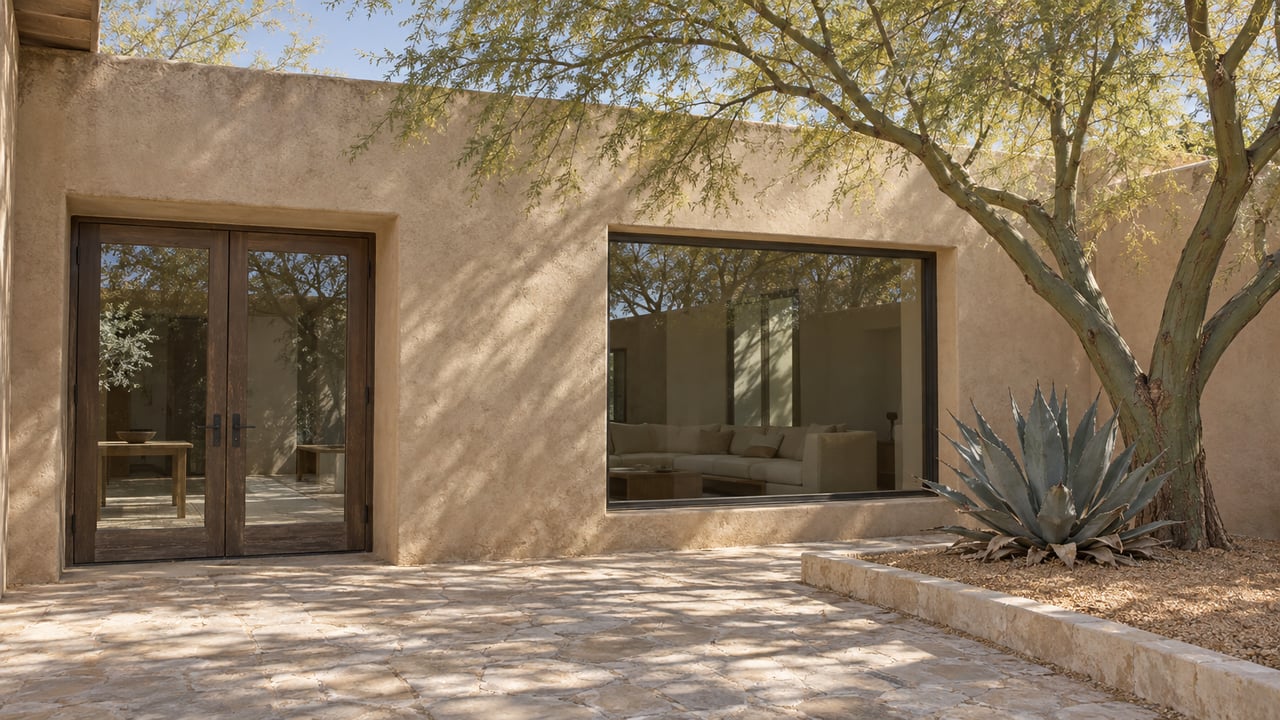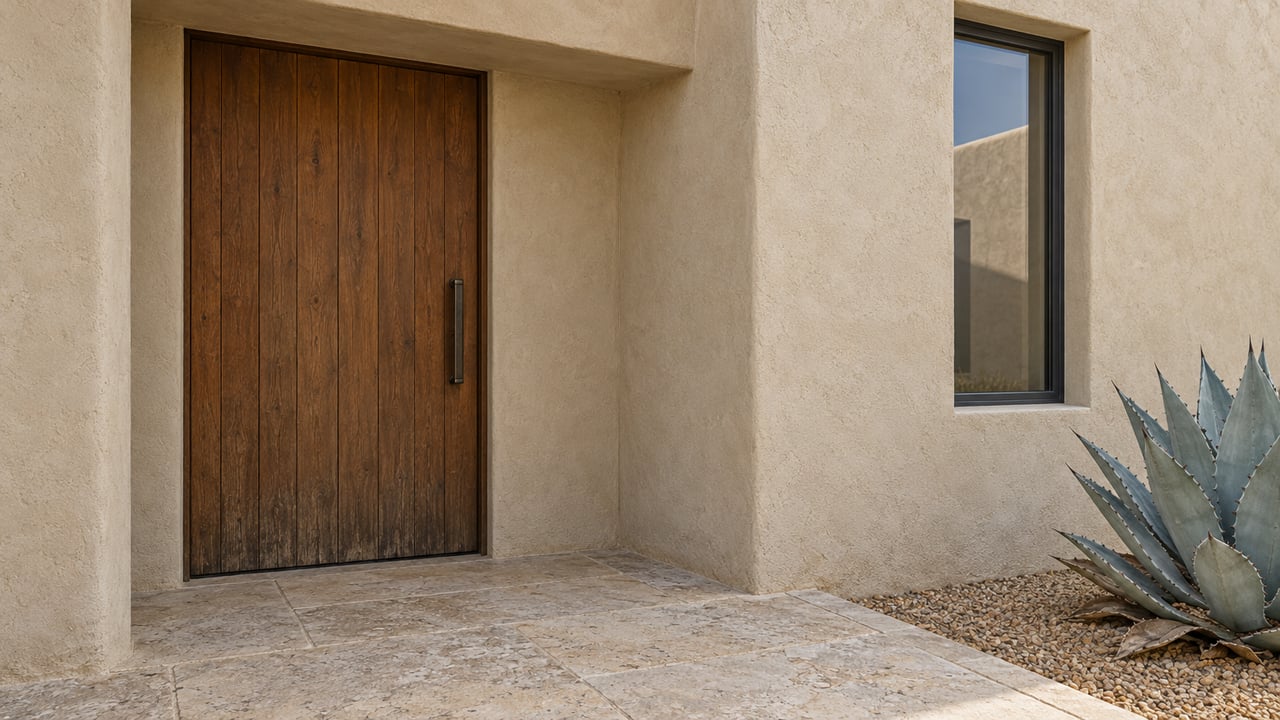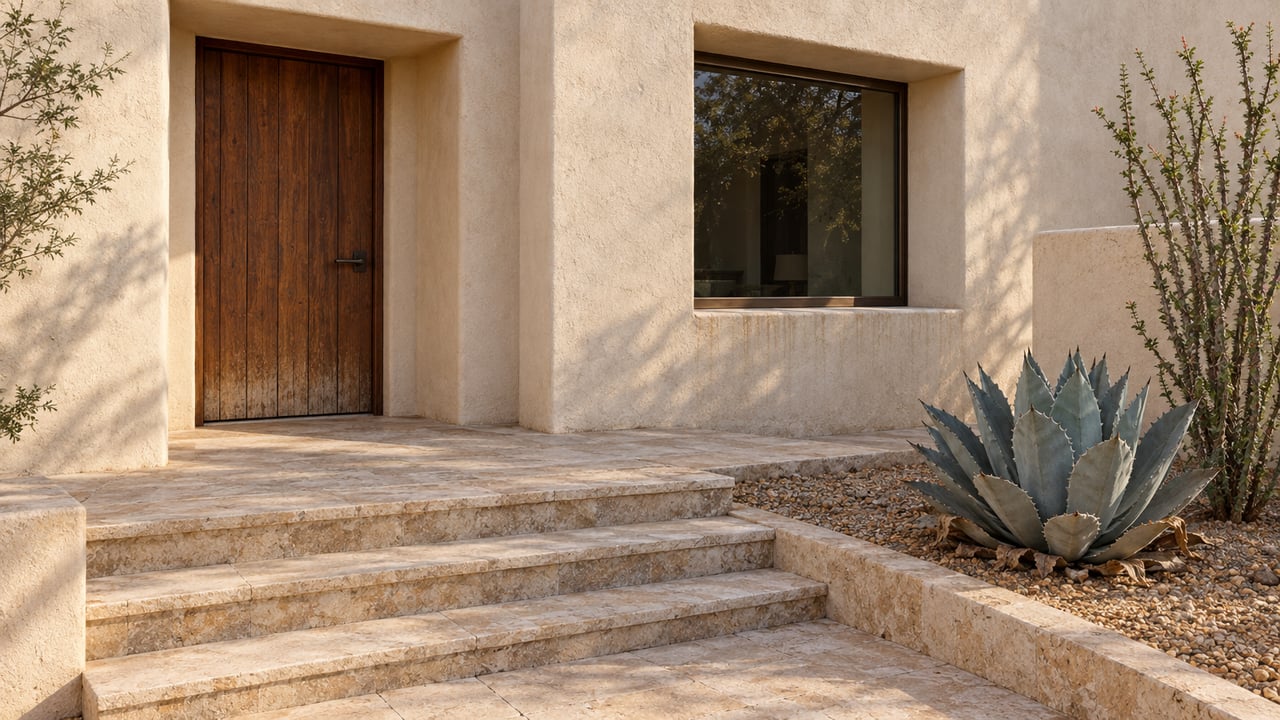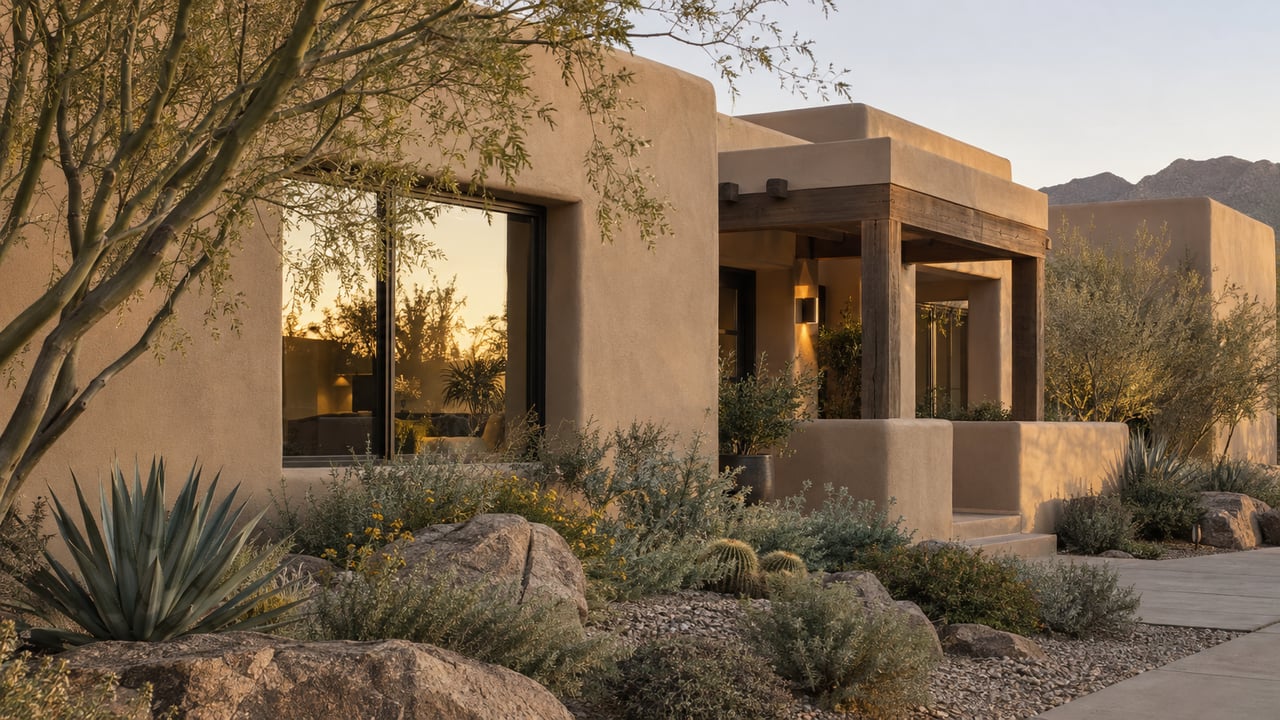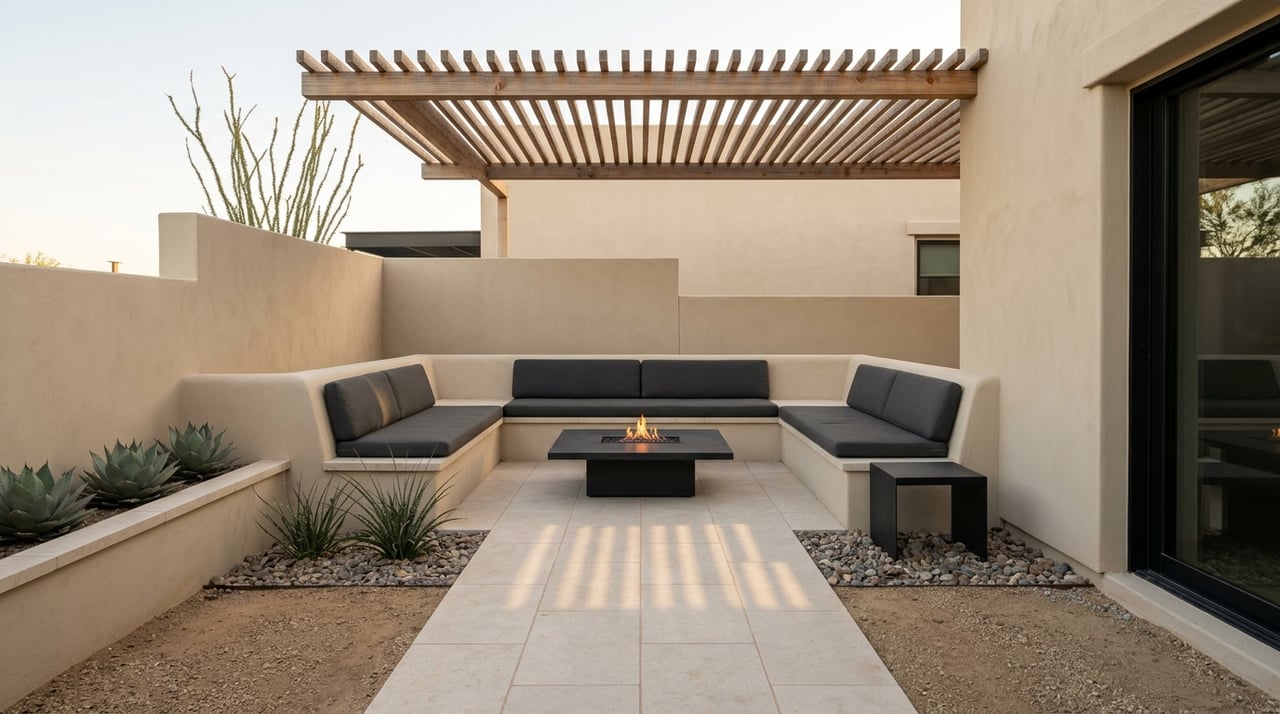
What makes outdoor living in Catalina Foothills feel effortless instead of high-maintenance? In this part of the Tucson area, the answer usually comes down to designing for heat, sun, slope, and monsoon rain from the start. If you are planning updates for your own home or weighing the appeal of a foothills property, the right outdoor choices can improve comfort, support low-water living, and add lasting value. Let’s dive in.
Design for Catalina Foothills Climate
Catalina Foothills homes sit in a hot, dry climate with a very specific rhythm. Tucson’s 1991 to 2020 climate normals show an annual average high of 84.0°F, an annual average low of 57.3°F, about 10.61 inches of precipitation each year, and an average of 68 days at 100°F or hotter. July and August are typically the wettest months, while spring and early summer are much drier.
That pattern shapes how outdoor spaces work best. You need relief from strong sun in the warmer months, some access to winter sun, and surfaces and plantings that can handle runoff during the summer monsoon. In practical terms, that usually means more shade near the house, thoughtful planting on south and west exposures, and better water movement across the site.
Create a Close-In Outdoor Room
One of the most effective ideas for foothills homes is to treat the area nearest the house as your most usable outdoor room. University of Arizona water-wise guidance describes a "mini-oasis" zone close to the home, supported by more frequent irrigation and often by roof runoff. That approach fits Catalina Foothills living especially well.
This close-in zone can become a courtyard, a covered patio, or a quiet seating area framed by containers and low-water plantings. Because it is nearest to your indoor spaces, it tends to deliver the biggest return in daily comfort. It also gives you a place to concentrate finish quality and detail without trying to overdesign the entire lot.
Why courtyards work well
Courtyards suit the desert luxury feel many Catalina Foothills buyers want. They create privacy, soften the transition from indoors to outdoors, and make even a compact area feel intentional. They also allow you to focus irrigation and maintenance where you will actually spend time.
A simple courtyard can include:
- A shaded seating area
- Container plantings near walls or entry points
- Stone or paver surfaces that handle heat better than broad lawn areas
- Drip irrigation for narrow planting beds
- Collected roof runoff directed into nearby planted zones
Prioritize Shade on Patios
If you want one outdoor feature that consistently improves livability, choose shade. In southern Arizona, south- and west-facing areas take the strongest sun, so those spaces need special attention. University of Arizona guidance recommends deciduous vines and deciduous trees near south and west walls to provide summer shade while still allowing winter sun.
That strategy can make a patio or dining terrace feel usable for more of the year. It also creates a softer, more layered look than relying only on hardscape. For many homes, the most successful patios combine architectural shade with plant-based shade.
Smart shade ideas
You do not need a long wish list to improve a patio. A few climate-aware moves often make the biggest difference:
- Place seating and dining closest to the house
- Add shade where late afternoon sun is strongest
- Use vines or trees that help filter sun seasonally
- Keep nearby planting beds on drip irrigation
- Use mulch to help hold soil moisture and moderate surface heat
Use Water-Wise Landscaping That Still Feels Lush
A yard can feel refined and inviting without depending on high water use. The best desert landscapes usually layer planting intensity. Keep the area near the home more planted and finished, then shift outward into simpler transition and natural zones.
This approach follows University of Arizona water-wise design guidance and suits larger Catalina Foothills lots very well. It lets you create beauty where it matters most while reducing ongoing irrigation demands across the rest of the property.
Native and adapted plants for structure
Recent Tucson-area native plant guidance highlights several plants suited to the region, including desert willow, velvet mesquite, blue palo verde, foothill palo verde, desert ironwood, evergreen sumac, and chuparosa. These choices can add texture, seasonal interest, and resilience when placed with care.
Mesquites are noted by University of Arizona Extension as especially tolerant of hot south- and west-facing walls, which makes them useful in low-water landscapes. Palo verdes are popular drought-tolerant trees for full sun and well-drained soil. Placement matters, though, since some species can create litter and palo verdes generally are not a fit for turf areas that receive frequent irrigation.
Ground plane matters too
Mulch and irrigation are part of the design, not just maintenance details. University of Arizona guidance recommends two to four inches of crushed rock or organic mulch, and drip irrigation is considered especially efficient for desert landscapes, runoff-prone areas, and narrow spaces.
That combination can help the landscape look cleaner and more intentional. It also supports healthier planting with less wasted water.
Plan for Monsoon Water
In Catalina Foothills, rain does not arrive evenly across the year. A large share comes during the summer monsoon, which means outdoor areas need a plan for water movement, not just water use. Directing roof runoff into planted areas is one of the most useful low-water strategies for residential sites.
Rainwater harvesting can also reduce erosion and flooding by holding water on site. Even smaller properties can benefit from this approach. In design terms, that means shaping your landscape to receive water where plants can use it rather than pushing every drop away as fast as possible.
Where runoff planning helps most
Runoff planning is especially useful around:
- Courtyards and entry courts
- Patio planting beds
- Downspout areas near the home
- Sloped parts of the lot
- Pool-adjacent landscape zones
Make Pool Areas Easier to Maintain
Pool areas are a natural centerpiece for many Catalina Foothills homes, but the best ones are designed for the climate. University of Arizona Extension describes poolside landscaping as the finishing touch to a backyard oasis and recommends selecting plants that fit the owner’s watering schedule and Arizona’s hot weather.
In practice, that means using tidy, heat-tolerant planting around the pool rather than anything that quickly looks overgrown or thirsty. The goal is a clean, resort-like setting that stays attractive through high heat and strong sun. For many luxury homes, restraint is what makes the space feel elevated.
Consider View Decks Carefully
On hillside lots, elevated seating areas and decks can be a major draw. They help frame mountain views, create better sight lines, and make steep sites more usable. But in Pima County, some of these features also trigger permits.
According to county guidance, a deck more than 30 inches above finished grade or floor level requires a permit. Grading on slopes of 15% or greater also requires a grading permit, and excavation for a foundation or swimming pool may still trigger building or zoning review.
Why early planning matters
If you are buying a property with plans to build or improve an outdoor deck or terrace, it helps to confirm site constraints early. Slope, grading, and review requirements can affect cost, timing, and design options. This is especially important on foothills parcels where topography is part of the appeal.
Keep Lighting Dark-Sky Friendly
Outdoor lighting should support evening use without overpowering the setting. Pima County’s outdoor lighting code applies to all outdoor lighting in the City of Tucson and unincorporated Pima County, and it is intended to minimize light pollution, reduce energy waste, and protect the night sky.
For Catalina Foothills homes, this usually points to a more restrained approach. Soft, targeted lighting often feels more refined than bright flood-style fixtures. It also suits the calm, architectural character that many buyers appreciate in desert homes.
Think About Fire-Aware Maintenance
For homes in and around natural desert vegetation, outdoor comfort should also include practical site management. Pima County describes defensible space as a buffer around structures that is free of flammable materials. The county recommends removing leaf piles, dry grass, wood piles, grills, propane tanks, and lawn furniture from the 30-foot perimeter around the home.
The same county guidance notes that native Sonoran vegetation such as palo verde, mesquite, ironwood, saguaro, barrel cactus, prickly pear, and cholla generally burns at lower intensity, while buffelgrass should be removed. If a property owner wants to remove vegetation beyond the immediate area near the home, other county considerations may apply.
Outdoor Features That Add Appeal
When outdoor living is done well in Catalina Foothills, the result is usually not flashy. It is calm, usable, and tied to the setting. The most appealing spaces often share a few core qualities.
They offer shade where you need it most, guide water instead of fighting it, and use a plant palette that fits the site. They also make daily life easier, whether that means a quiet courtyard off the primary suite, a dining terrace that works through the seasons, or a pool setting that feels polished without heavy upkeep.
For sellers, these choices can also improve presentation. Buyers in the foothills often notice thoughtful finishes, sight lines, and low-maintenance design. Outdoor spaces that feel intentional can help a property read as more complete and more in tune with the Catalina Foothills lifestyle.
If you are weighing which upgrades are worth making before a move, or which features to prioritize in your next purchase, a design-informed local perspective can help you focus on what truly fits the site and the market. For tailored guidance on buying or selling a foothills home, connect with Marta Harvey.
FAQs
What outdoor living features work best for Catalina Foothills homes?
- Shaded patios, courtyards, pool areas with heat-tolerant landscaping, and view-oriented seating areas tend to work best because they fit the hot, dry climate and the way many foothills lots are laid out.
How can a Catalina Foothills yard feel lush without using too much water?
- A good approach is to create a more planted mini-oasis near the home, keep the rest of the lot in transition or natural zones, and rely on drip irrigation, mulch, and rain capture to manage water efficiently.
Do decks and pools require permits in Pima County?
- Yes. Pima County says swimming pools require a permit, decks over 30 inches above grade require a permit, and grading on slopes of 15% or greater also requires permit review.
What trees are well suited to Catalina Foothills outdoor spaces?
- University of Arizona guidance highlights options such as velvet mesquite, blue palo verde, foothill palo verde, desert ironwood, and desert willow, with placement based on sun exposure, drainage, and irrigation conditions.
How should outdoor lighting be handled for Catalina Foothills homes?
- Outdoor lighting should be planned with Pima County’s lighting code in mind, using a restrained approach that supports evening use while reducing light pollution and protecting the dark night sky.