Wondering why Catalina Foothills homes feel so distinct, even when they share the same desert backdrop? The answer is not just style. It is the way architecture, siting, materials, and mountain views work together in one of Tucson’s most design-conscious areas.
If you are buying, selling, or simply studying the market, it helps to know what gives Foothills homes their lasting appeal. From Joesler-influenced details to desert-modern planning, here is what to look for and why these architectural choices still matter today. Let’s dive in.
Catalina Foothills Design Roots
Catalina Foothills did not grow from a single cookie-cutter formula. According to the Catalina Foothills Association, the area was shaped by John and Helen Murphey and architect Josias Joesler, whose work helped define a refined Southwestern and Mexican-inspired design language on large lots with strong orientation to Tucson views.
That history still shows up today. The guiding idea in the Catalina Foothills has long been compatibility with the desert rather than strict visual sameness, with design standards that address setbacks, height, color, architectural style, land use, and protection of natural plants and habitat.
For you as a buyer or seller, that means architecture here is about more than curb appeal. It is tied to how a home sits on the land, how it frames the mountains, and how well it respects the Sonoran setting.
Spanish Revival Details You’ll Notice
Red Tile and Stucco Exteriors
One of the most recognizable architectural threads in Catalina Foothills is Spanish Colonial Revival. The City of Tucson describes this style with red clay tile roofs, plaster or stucco walls, arches, asymmetrical windows, balconies with wrought iron or wood, and homes that are usually no more than two stories.
In the Foothills, these features often feel especially natural against the desert palette. Light stucco, warm roof tiles, and shaded openings tend to sit comfortably within the landscape while giving the home a timeless, established look.
Arches, Ironwork, and Handcrafted Character
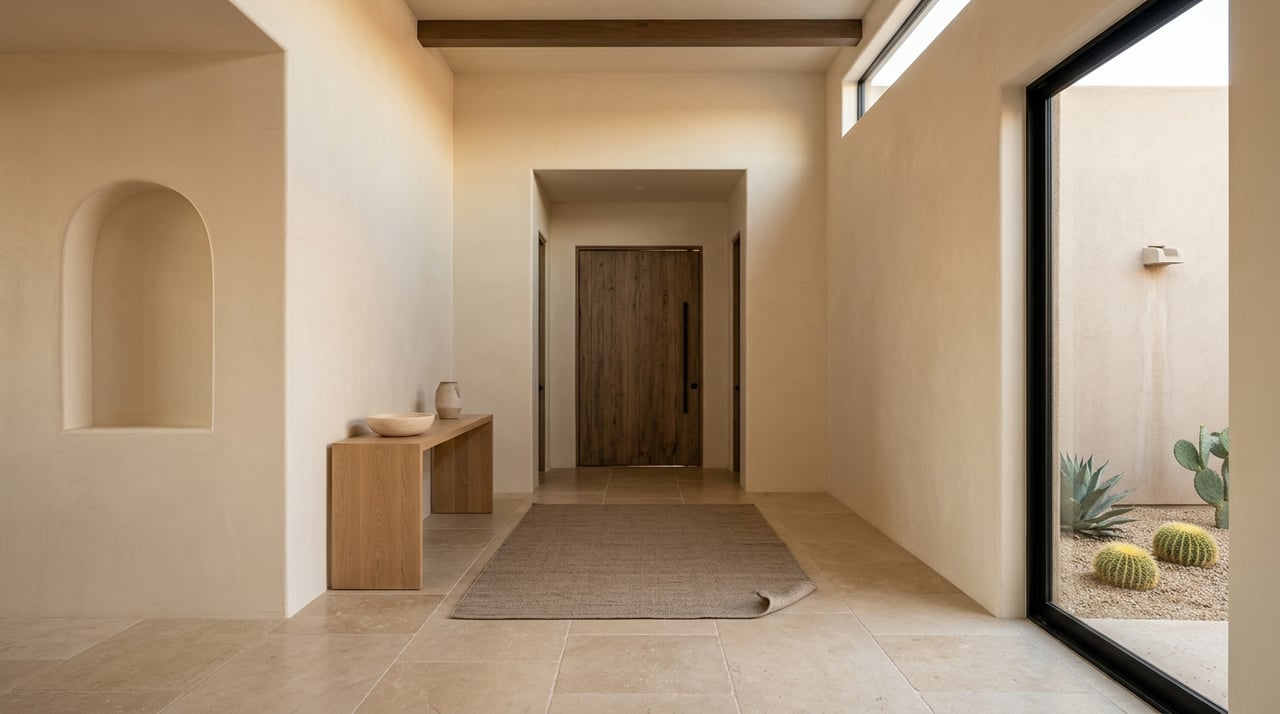
Joesler’s influence adds another layer of distinction. Signature details associated with his work include wrought ironwork, decorative glazed and unglazed tiles, ceiling beams, wall niches, stained concrete floors, and hand-carved wooden doors.
These details are important because they create texture and depth. When you walk through a home with this level of craftsmanship, the experience often feels more architectural and less purely decorative.
Patios as Living Space
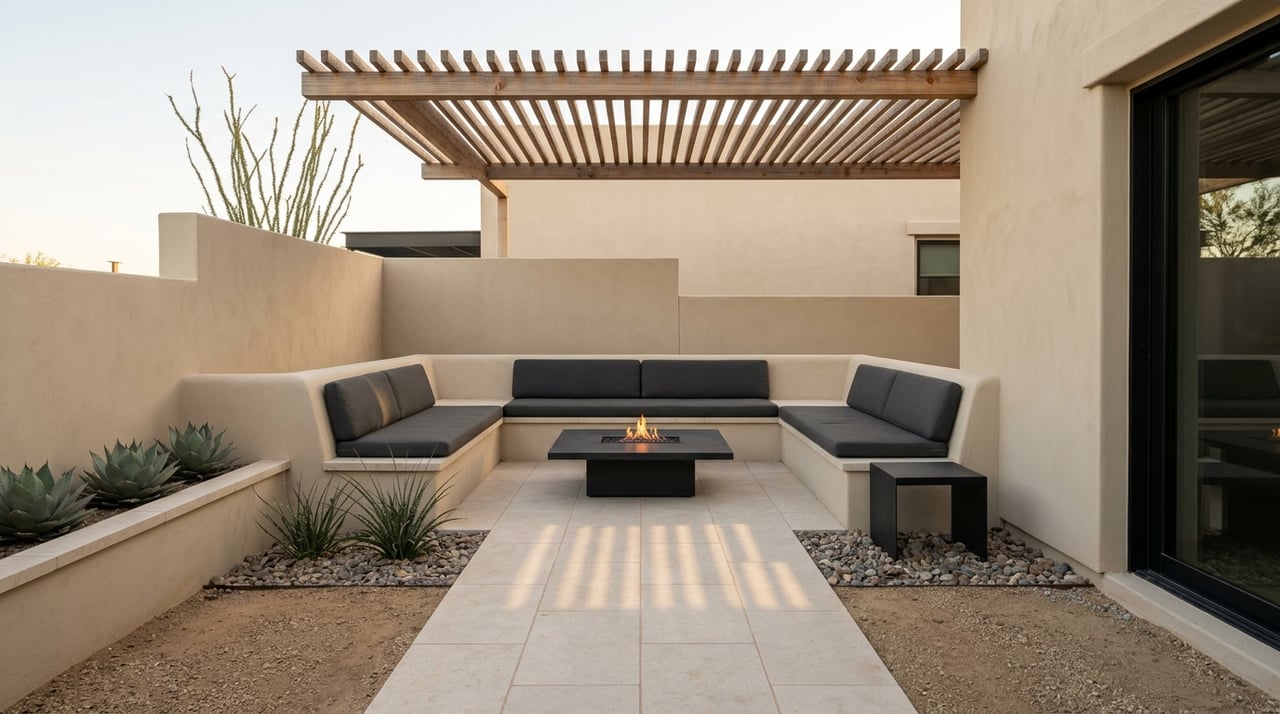
Spanish revival homes in Tucson often use open patios rather than enclosed ones. That matters in Catalina Foothills, where outdoor rooms are part of the home’s function, not just an extra feature.
For buyers, this can change how a floor plan lives day to day. For sellers, these spaces often become part of the story that helps a home stand out in listing photography and showings.
Ranch and Territorial Ranch Features
Low Profiles and Horizontal Lines
Ranch homes are another major part of the local mix. Tucson’s preservation guidance describes Ranch homes as set farther back on the lot, with horizontal lines, rectilinear or L-shaped plans, low-pitched roofs, and garages or carports tucked under the main roof.
In Catalina Foothills, that lower profile can do more than define the style. It can also support view preservation and reduce how much the home visually competes with the landscape.
Picture Windows and Outdoor Access
Ranch homes commonly feature large picture windows and sliding glass doors that connect indoor rooms to outdoor living areas. This is one reason many Ranch and Territorial Ranch homes still feel relevant to today’s buyers.
The plan often supports easy movement to patios and shaded exterior spaces. That indoor-outdoor flow remains one of the strongest selling points in the Foothills market.
Territorial Touches
Post-war Territorial Ranch homes keep the Ranch form but add flat roofs, parapets, and tiled shed roofs at entries. These details create a more regional look while preserving the practical, horizontal layout buyers often want.
If you are comparing homes, these subtle differences matter. A Territorial Ranch may offer a simpler roofline, stronger desert identity, and a different street presence than a more traditional pitched-roof Ranch.
Desert Modern and Soft Contemporary Appeal
One-Story Living and Clean Lines
Many buyers today are drawn to homes described as soft contemporary or desert modern. In Tucson’s architectural context, the earlier Contemporary style often meant one-story homes with horizontal emphasis, low-pitched roofs, brick or burnt adobe walls, large windows, sliding glass doors, entry courtyards, and attached garages or carports.
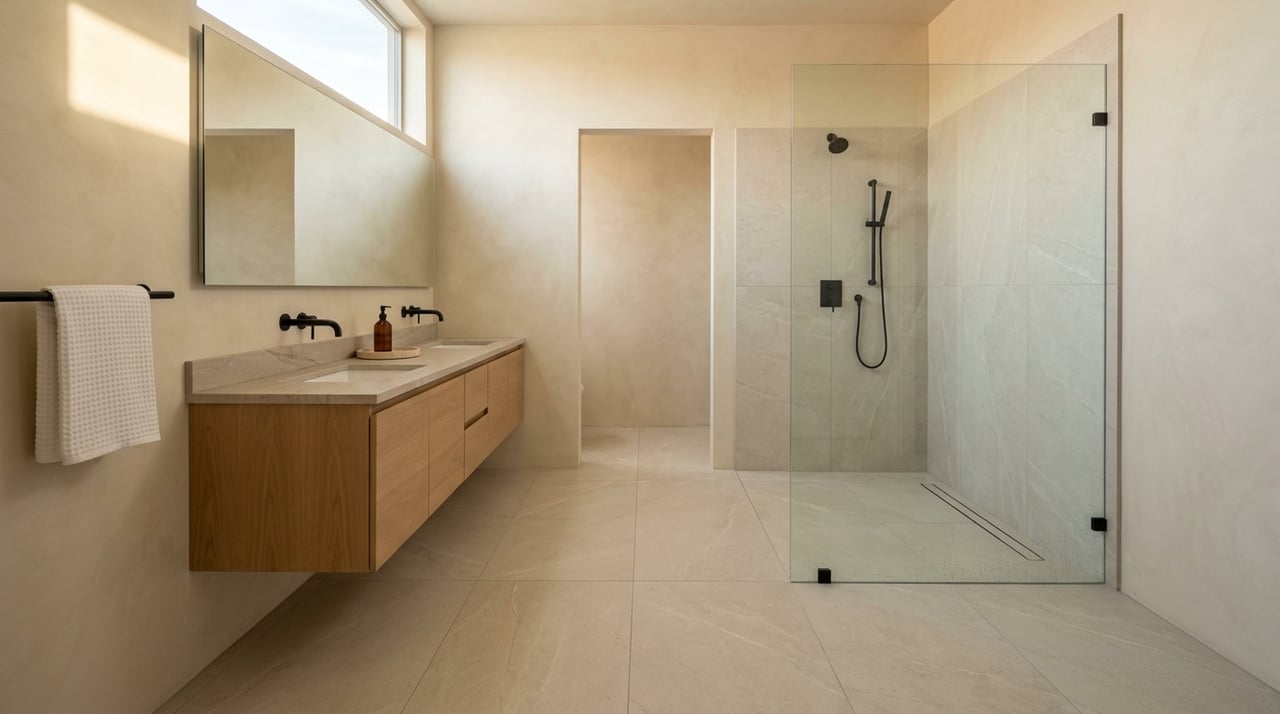
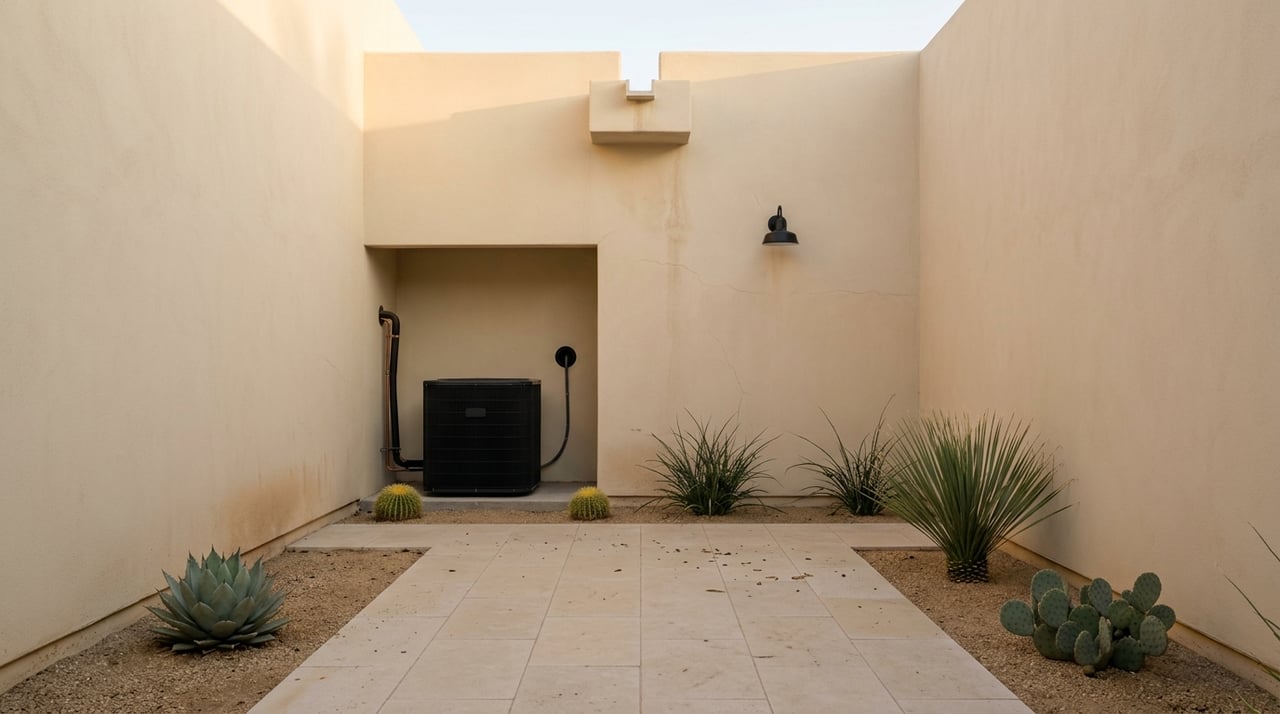
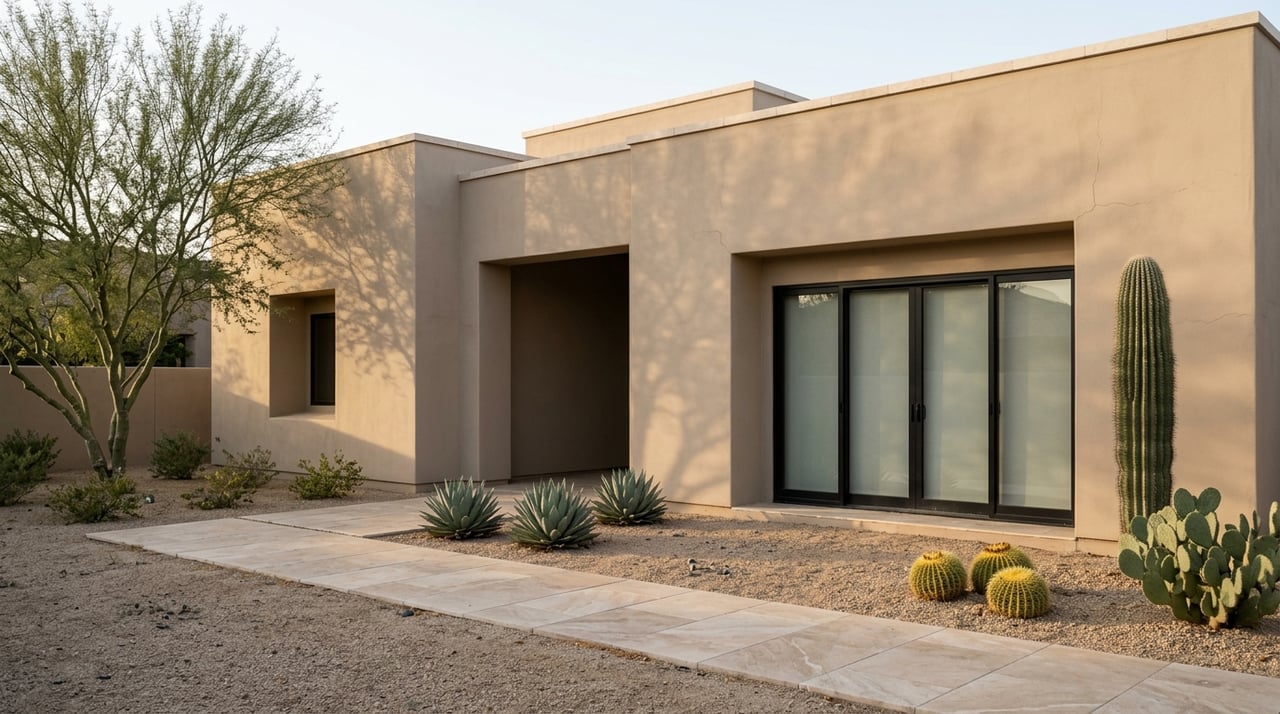
Today’s desert-modern direction builds on that local history. It often includes modest street-facing facades, courtyard-centered interiors, framed mountain views, and restrained forms that feel calm and site-specific.
Smart Responses to Desert Climate
Desert-modern design is not only about looks. Recent Tucson guidance highlights strategies such as limiting west-facing windows and using thick, high-performance walls inspired by adobe’s climate logic.
That practical side matters in the Foothills. Homes that respond well to sun, heat, and orientation often feel more comfortable and more intentional.
Courtyards and Framed Views
A strong modern Foothills home often reveals itself gradually. The street side may stay quiet and understated, while the interior opens to a courtyard, patio, or mountain-facing great room.
This type of planning can make the same square footage feel very different from one home to another. A home organized around a courtyard or shaded outdoor room may live larger and better than one that simply measures well on paper.
Materials That Define Foothills Homes
Catalina Foothills homes often use masonry-forward materials such as stucco, burnt adobe, brick, slump block, and stone. These materials help tie the home to Tucson’s long architectural tradition while also giving exteriors and interiors a grounded, tactile feel.
This matters for design-minded buyers because materials affect more than appearance. They shape light, shadow, texture, and the sense of permanence a home gives you from the moment you arrive.
Historically, Sonoran homes also used climate-smart features like thick adobe walls, narrow openings, high ceilings, and central hallways to help moderate heat. Even when newer homes use modern construction methods, many still borrow from that logic.
Why Site Placement Matters So Much
Views Are Part of the Architecture
In Catalina Foothills, views are not guaranteed simply because a home sits in the hills. The Catalina Foothills Association notes that there are no scenic easements in Catalina Foothills Estates Areas 1 through 6, and views may still be affected by lot shape, slopes, drainage, flood plains, or easements.
That is one reason orientation and siting carry real value. A well-placed home can feel far more special than another home with similar size or finish level.
Height and Rooflines Affect Value
Pima County’s Catalina Foothills special area policy adds another local layer. Buildings over 24 feet require specific Board of Supervisors authorization and may be limited to one story.
For you as a buyer or seller, that means roof profile and massing are not minor design choices. They can shape privacy, sight-lines, and how a property fits into its setting.
What Buyers Should Look For in Listings
When you read Catalina Foothills listings, it helps to look beyond style labels. Terms like Spanish Colonial, Territorial, soft contemporary, or desert modern can be useful, but the real value often sits in the details.
Pay attention to features like these:
- How the home is oriented toward mountain or city views
- Whether the layout centers on a courtyard, patio, or covered outdoor room
- The amount and placement of west-facing glass
- The use of masonry materials such as stucco, burnt adobe, brick, or stone
- Architectural details like ironwork, beams, niches, tile, or carved wood doors
- Rooflines and massing that fit the lot and preserve openness
- Landscaping that preserves natural desert character with low-water plantings
These factors often tell you more about livability than a simple style name does.
Why Architecture Can Influence Market Position
Catalina Foothills remains a premium submarket by current market trackers, with Zillow reporting an average home value of $746,960 and Redfin reporting a March 2026 median sale price of $599K. The exact number varies by methodology, but both point to a market where design distinction can meaningfully affect perception.
In a setting like this, architecture becomes part of a home’s market position. Buyers are often weighing not only square footage and finishes, but also craftsmanship, siting, view orientation, and how convincingly the home expresses the Foothills lifestyle.
That is especially important for custom homes and upper-tier estates. When a property’s architecture feels aligned with the land, it tends to read as more complete, more considered, and more memorable.
What This Means for Sellers
If you are preparing to sell a Catalina Foothills home, your architecture should shape how the property is presented. The most effective marketing does not treat design as background. It makes the home’s siting, materials, sight-lines, and indoor-outdoor flow easy for buyers to understand.
That may mean highlighting original character, clarifying the value of a courtyard-centered plan, or showing how a low roofline protects views and privacy. For architecturally distinctive homes, thoughtful presentation can help buyers grasp what makes the property special.
It also helps to have guidance from someone who understands construction, design language, and neighborhood context. In a market where nuance matters, clear positioning can make a meaningful difference.
If you are considering buying or selling in Catalina Foothills and want practical, design-informed guidance, Marta Harvey offers a thoughtful, high-touch approach grounded in local expertise.
FAQs
What architectural styles are common in Catalina Foothills homes?
- Common styles include Spanish Colonial Revival, Ranch, Territorial Ranch, and Contemporary or desert-modern homes, often adapted to the desert setting and mountain views.
What makes Catalina Foothills architecture different from other Tucson areas?
- Catalina Foothills homes are especially shaped by large lots, view orientation, desert compatibility, and design standards that address height, setbacks, colors, and preservation of natural landscape.
What are key Spanish Revival features in Catalina Foothills homes?
- Look for red clay tile roofs, stucco walls, arches, wrought iron or wood balconies, asymmetrical windows, and open patios used as living space.
What should buyers notice beyond a home’s style label in Catalina Foothills?
- Focus on siting, view orientation, courtyard or patio planning, materials, rooflines, west-facing glass placement, and how the home connects indoor and outdoor living.
Why do views and rooflines matter in Catalina Foothills real estate?
- Views can be affected by lot conditions and local rules, and building height may be restricted in some cases, so orientation and roof profile often play a major role in a home’s appeal and value.
What materials are typical in Catalina Foothills homes?
- Common materials include stucco, burnt adobe, brick, slump block, and stone, often paired with details like wood doors, tile, ironwork, and exposed beams.