Interested in homes in the Catalina Foothills? Click here to begin your search: Catalina Foothills Home Search
Imagine waking up to sunrise on the Santa Catalina Mountains, coffee in hand, and the soft desert light stretching across saguaro-dotted hills. If you’re weighing a move to Catalina Foothills, you likely want that blend of quiet, views, and easy access to Tucson’s culture. This guide walks you through daily life, outdoor access, amenities, housing styles, and the practical trade-offs so you can decide if the foothills match your goals. Let’s dive in.
Where Catalina Foothills sits
Catalina Foothills is an unincorporated area of Pima County just north of central Tucson. Neighborhoods run along the mountain’s southern slopes and ridgelines, with elevations a bit higher than the city core. That lift often means slightly cooler temperatures and panoramic sunrises and sunsets. The feel is residential and private, with Tucson’s major services a short drive away.
Climate and seasons
You can expect a classic Sonoran Desert climate: hot, dry summers and mild, sunny winters. Monsoon season, typically July through September, brings humidity, fast-building thunderstorms, lightning, and dust storms. For safety tips and seasonal updates, check the National Weather Service Tucson. Winter days are comfortable, while higher foothill elevations can see occasional light freezes at night.
Outdoor access and trails
If you love being outside, foothills living puts you at the trailhead. Residents use the Santa Catalina Mountains and the Coronado National Forest for hiking, trail running, mountain biking, and birding. Cooler months see the most trail traffic, and storm events can close routes temporarily. You can also explore desert trails and scenic drives in nearby Saguaro National Park.
Shopping, dining, and culture
Day to day, you’ll find neighborhood centers with boutiques, cafes, salons, and services. Upscale shopping and patios with mountain views are part of the rhythm here, and many residents head into Tucson for arts, university events, and festivals. For an overview of local retail and experiences, browse Visit Tucson’s shopping guide. It’s easy to pair a foothills lifestyle with city culture when you want it.
Golf, clubs, and resorts
The foothills offer multiple private and semi-private golf courses, resorts, and racquet or country clubs. Amenities often include fitness centers, tennis or pickleball, pools, dining rooms, and busy social calendars. Membership types and fees vary by club and change over time, so it’s best to verify details directly with each property. Many residents combine a club routine with nearby trails for a balanced, active lifestyle.
Schools and family services
Many neighborhoods in Catalina Foothills are served by the Catalina Foothills School District. If schools are a priority, confirm the current boundary map and program details directly with the district, and review state-level data from the Arizona Department of Education. Private and charter options exist in and around Tucson. Families also appreciate easy access to parks, trails, and youth activities across the metro.
Healthcare and emergency services
For full-service care, residents rely on Tucson’s major hospital systems, including Banner Health and Tucson Medical Center. Urgent-care clinics and private practices are located closer to the foothills. Law enforcement and fire services operate through Pima County jurisdictions, and response times can vary in lower-density or hillside areas.
Housing and architecture
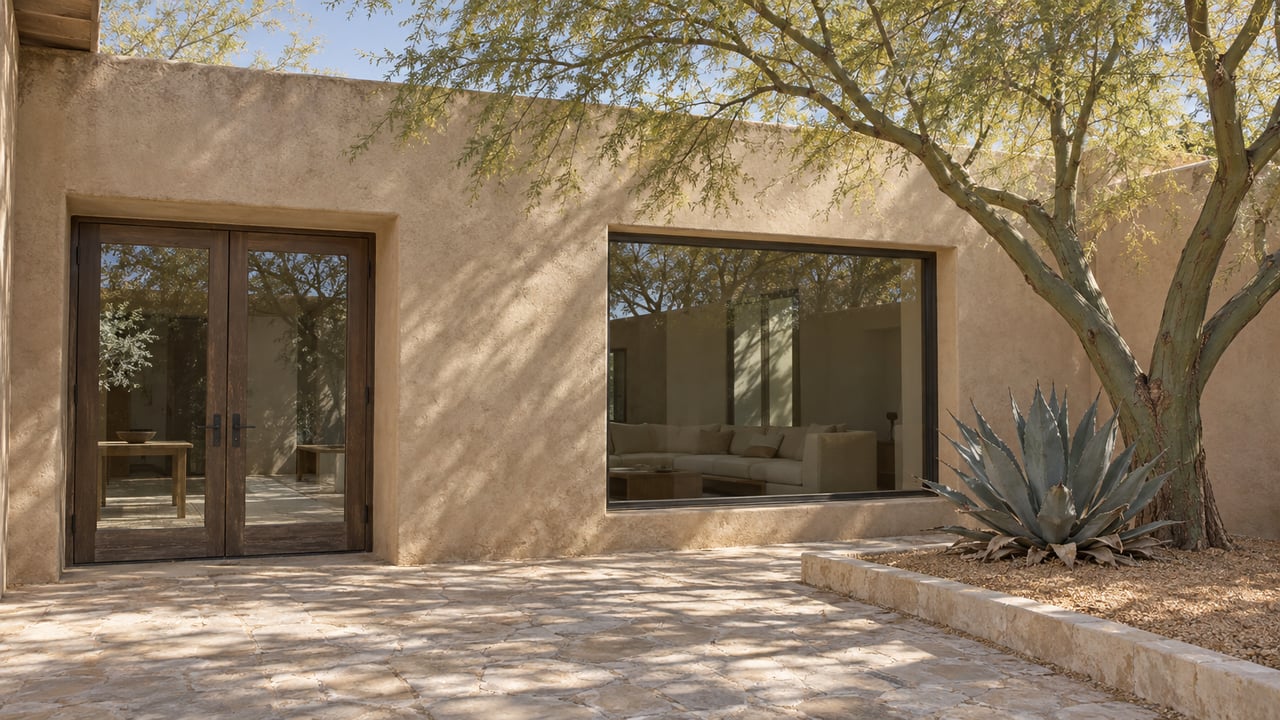
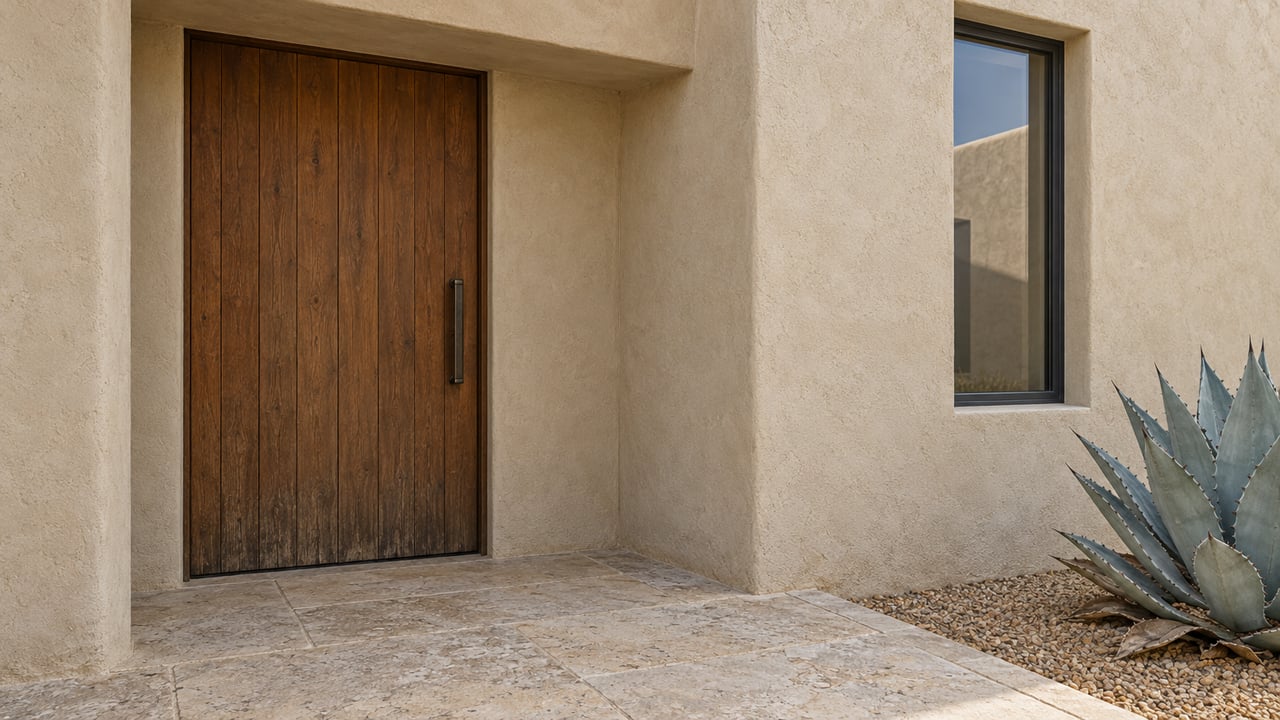
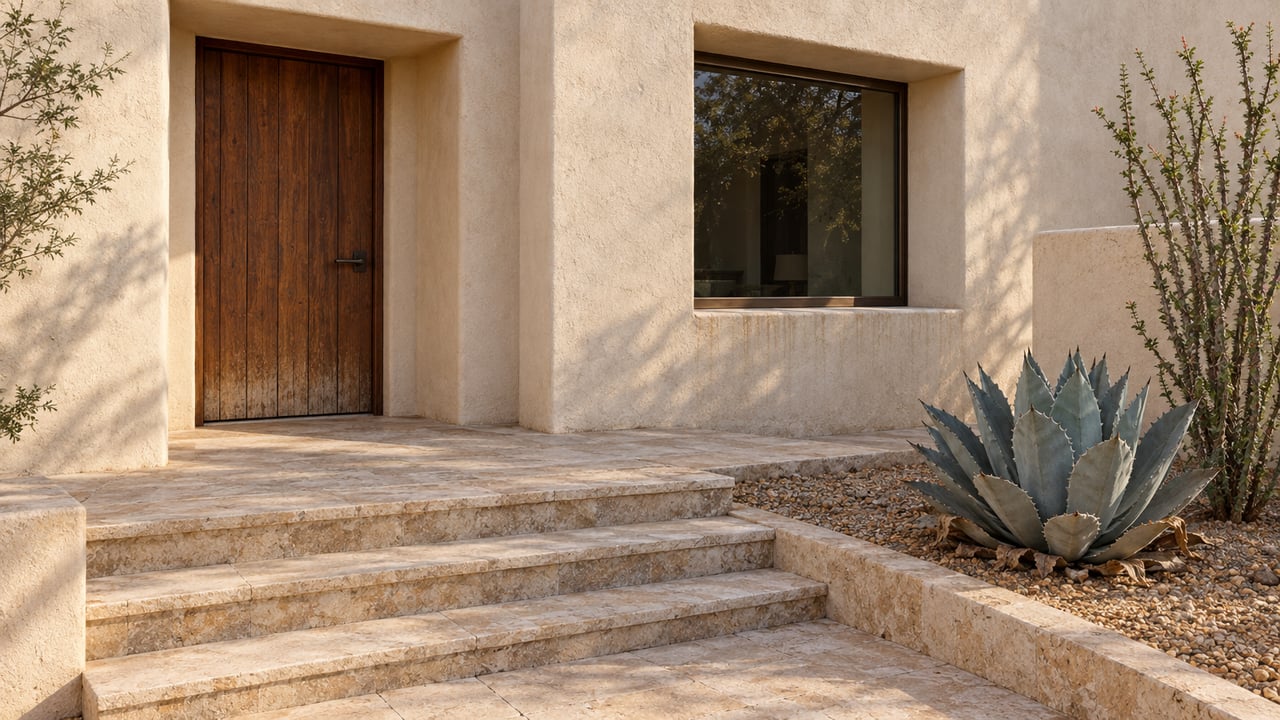
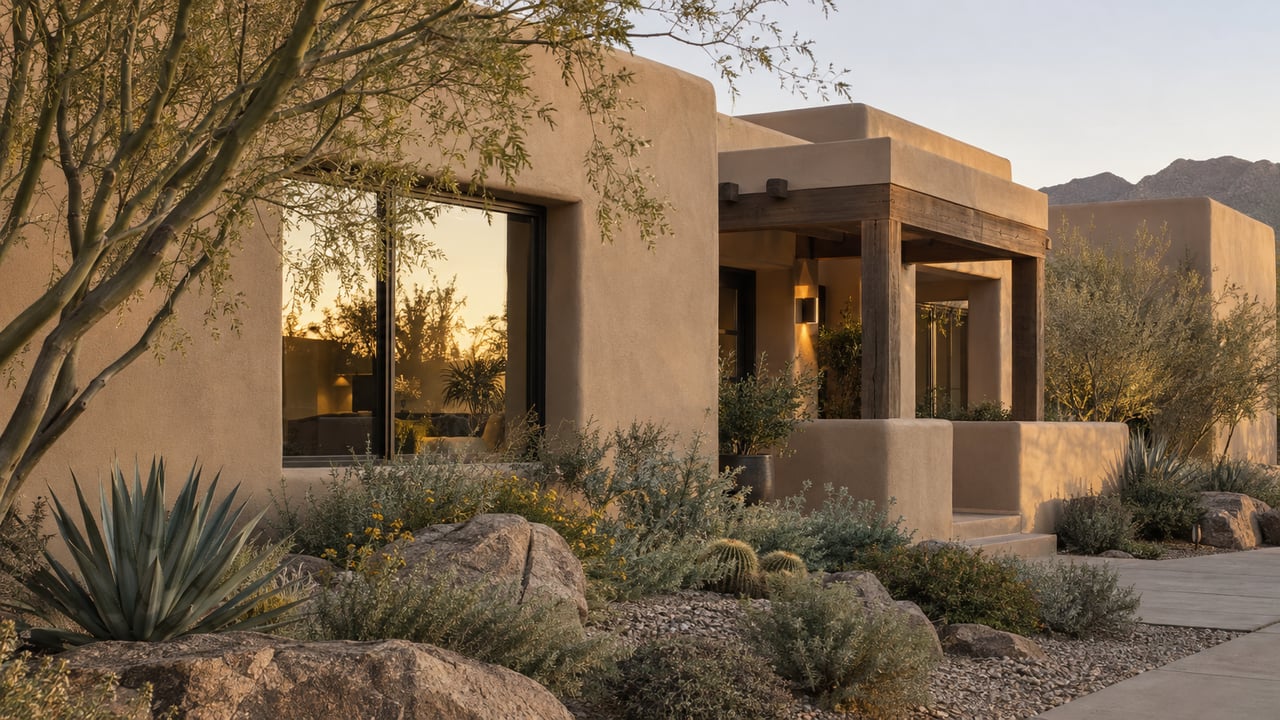
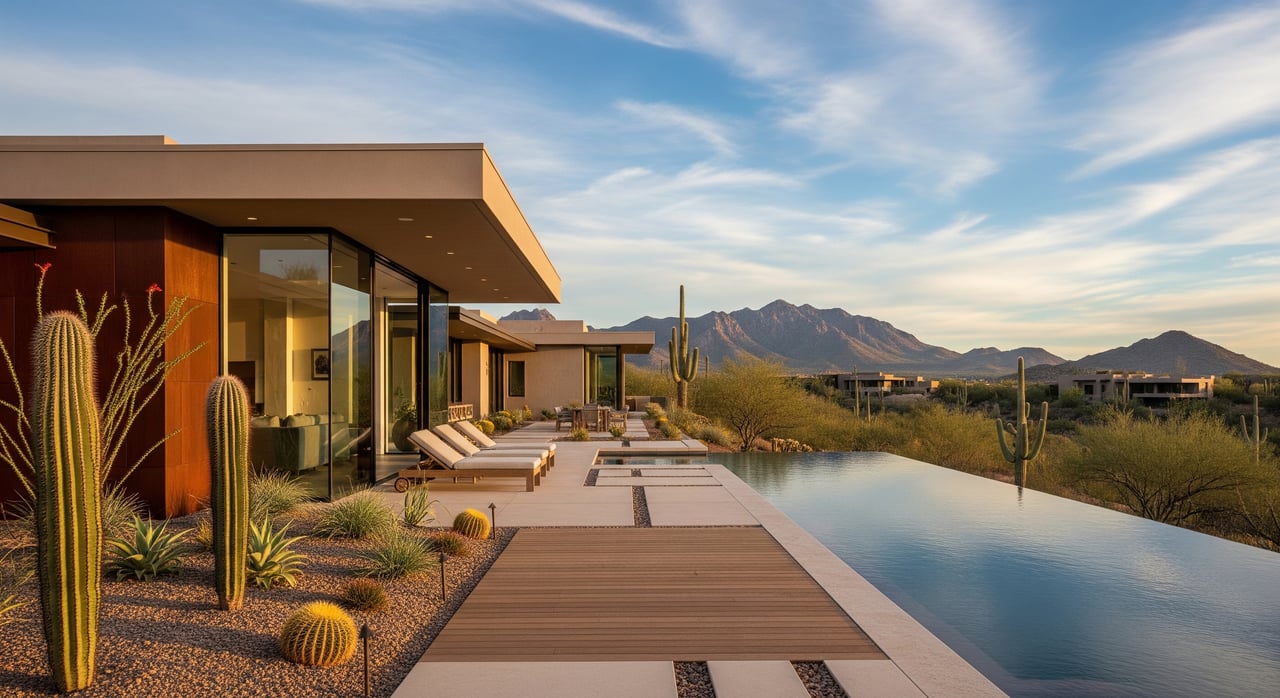
Homes in Catalina Foothills lean toward single-family properties on medium to large lots. You’ll see custom estates on hillsides, plus ranch and mid-century remodels, Southwestern stucco, and modern desert contemporary architecture. Common features include courtyards, covered patios, pools, and xeriscaping with native or drought-tolerant plants. Many lots are oriented for privacy and views of city lights or mountain ridgelines.
Catalina Foothills sits above the Tucson median in price, with a range from modest foothills homes to high-end custom estates. Since pricing shifts with the market, review current data with your agent before you shop. Gated communities and HOAs are common at the higher end; covenants can shape exterior finishes, landscaping, and design updates.
Utilities and practical checks
Service setups can differ by parcel, especially on larger or more remote lots. Many homes are on municipal water and sewer, while some use private wells and septic systems. Tucson Electric Power serves the region, though infrastructure can vary with location. Broadband speeds are not uniform in the hills, and some pockets rely on fixed wireless. It’s smart to verify internet providers, water and sewer status, and any HOA dues as part of due diligence.
Maintenance also looks a little different in the desert. Budget for pool care, efficient air conditioning, and routine roof and drainage checks, especially on sloped or hillside sites.
Commute and getting around
Life in the foothills is car-centric. Public transit exists but is less extensive than urban cores, so most residents drive to downtown Tucson, the university area, or major employment centers. Commute times vary by start and end points and can stretch during peak hours. Tucson International Airport is the primary airport for the region; plan travel time based on your exact neighborhood and departure time.
Hazards and how to prepare
Summer heat and monsoon storms shape daily life. Heavy rain can cause flash flooding in washes and low spots, and lightning and wind can arrive quickly. Wildfire risk rises in dry years, particularly on vegetated slopes. Creating defensible space, choosing firewise landscaping, and respecting seasonal fire restrictions help reduce risk.
Dust storms can limit visibility during strong monsoon outflows. Local wildlife, including coyotes, javelina, bobcats, and rattlesnakes, is part of the environment. Coexistence practices are simple: secure trash, do not feed wildlife, supervise pets, and be cautious at dawn and dusk.
To understand flood exposure for a specific property, check the FEMA Flood Map Service Center. For weather hazards and preparedness, follow updates from the National Weather Service Tucson.
Permits and building in the foothills
Because Catalina Foothills is unincorporated, permitting, zoning, and hillside rules are handled by Pima County. Hillside and ridgeline parcels can have development constraints that affect remodels, additions, and new construction. Washes and floodplains can also influence site planning. When buying, verify past permits, easements, and any HOA design review requirements before you finalize plans.
Is Catalina Foothills a fit for you?
If you want privacy, views, trail access, and a relaxed pace, the foothills deliver a distinct desert-luxury feel. You trade walkable urban density for space, scenery, and an outdoor-centered routine. With the right home orientation and smart systems, summer comfort is manageable, and winter living is easy. The key is due diligence on utilities, hazards, and covenants so you get the setting you want with no surprises.
Ready to explore properties or compare neighborhoods? Connect with Marta Harvey for construction-informed guidance, discreet service, and a clear plan for buying or selling in Catalina Foothills.
FAQs
What is the climate like in Catalina Foothills?
- Hot, dry summers and mild winters, with monsoon storms in mid-summer; review seasonal guidance from the National Weather Service Tucson for safety and preparation.
Where do Catalina Foothills residents go for outdoor recreation?
- Trails in the Santa Catalinas and Coronado National Forest, plus desert routes in Saguaro National Park, are popular for hiking, biking, and birding.
Which public school district serves Catalina Foothills?
- Many neighborhoods are served by the Catalina Foothills School District; confirm boundaries with the district and review data from the Arizona Department of Education.
How close are healthcare services to the foothills?
- Major systems like Banner Health and Tucson Medical Center serve the area, with urgent-care and specialty clinics closer to foothills neighborhoods.
What utilities and internet options should I confirm when buying?
- Verify water and sewer service versus well and septic, available electric and broadband providers, and any HOA dues or rules that affect property use and improvements.
Do I need special insurance for a foothills home?
- Lender requirements vary by location; check FEMA flood zone status at the FEMA Flood Map Service Center and discuss wildfire and flood coverage with your insurer.