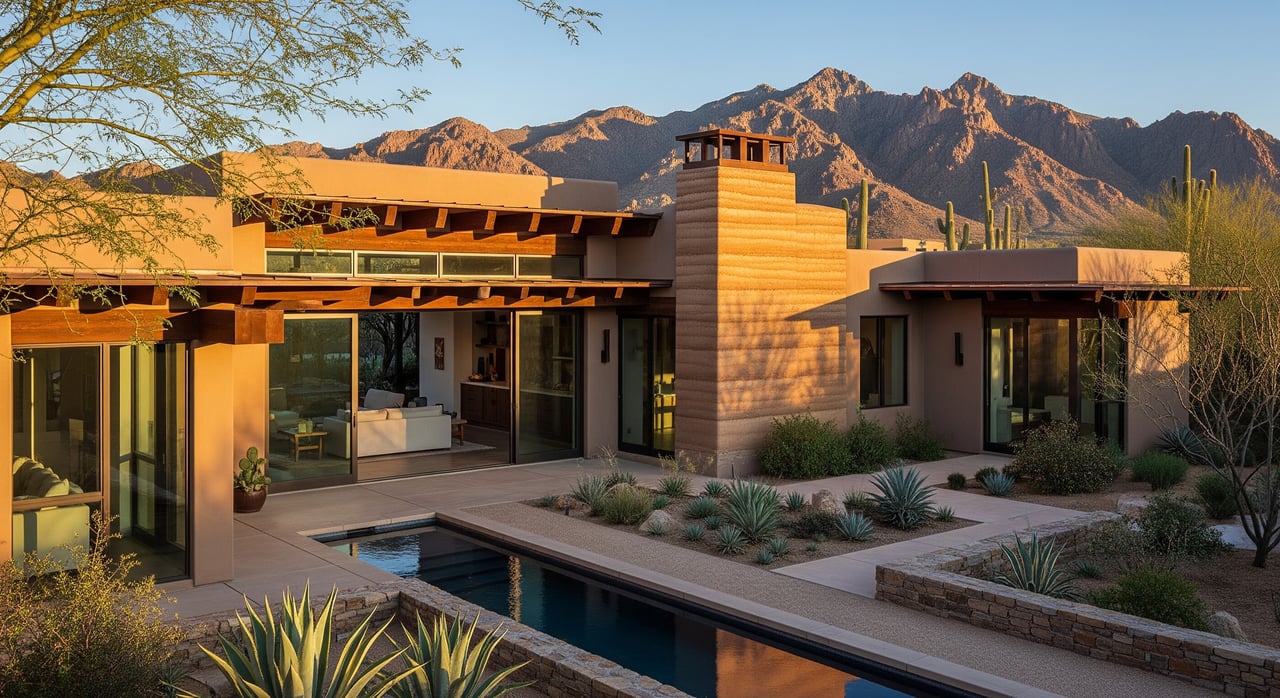
Love the desert light but not sure which Tucson luxury home style fits your life? Choosing between Spanish Revival courtyards, glass-walled contemporary rooms, and midcentury character can feel overwhelming. This guide breaks down how the most sought-after styles live in our Sonoran climate, what to watch for on maintenance, and which lifestyle each supports. You’ll come away with a clear framework for touring homes and making confident decisions. Let’s dive in.
Tucson climate, design, and rules to know
Tucson sits in a hot‑arid Sonoran Desert environment with long, hot summers, mild winters, and a distinct monsoon season. Builders use orientation, shading, courtyards, and thermal mass to keep interiors comfortable while limiting energy use. Xeriscaping and efficient irrigation help control water demand, which matters in our dry climate.
In the luxury market, regional aesthetics and access to views shape design. You’ll see strong demand for foothill locations and amenities like trails and golf. If you plan to renovate, be aware that historic-district overlays, HOA guidelines, and local permitting can affect what you can change outside. Energy upgrades, solar PV, and low-water landscapes are popular improvements that also support resale.
Spanish Colonial and Pueblo Revival
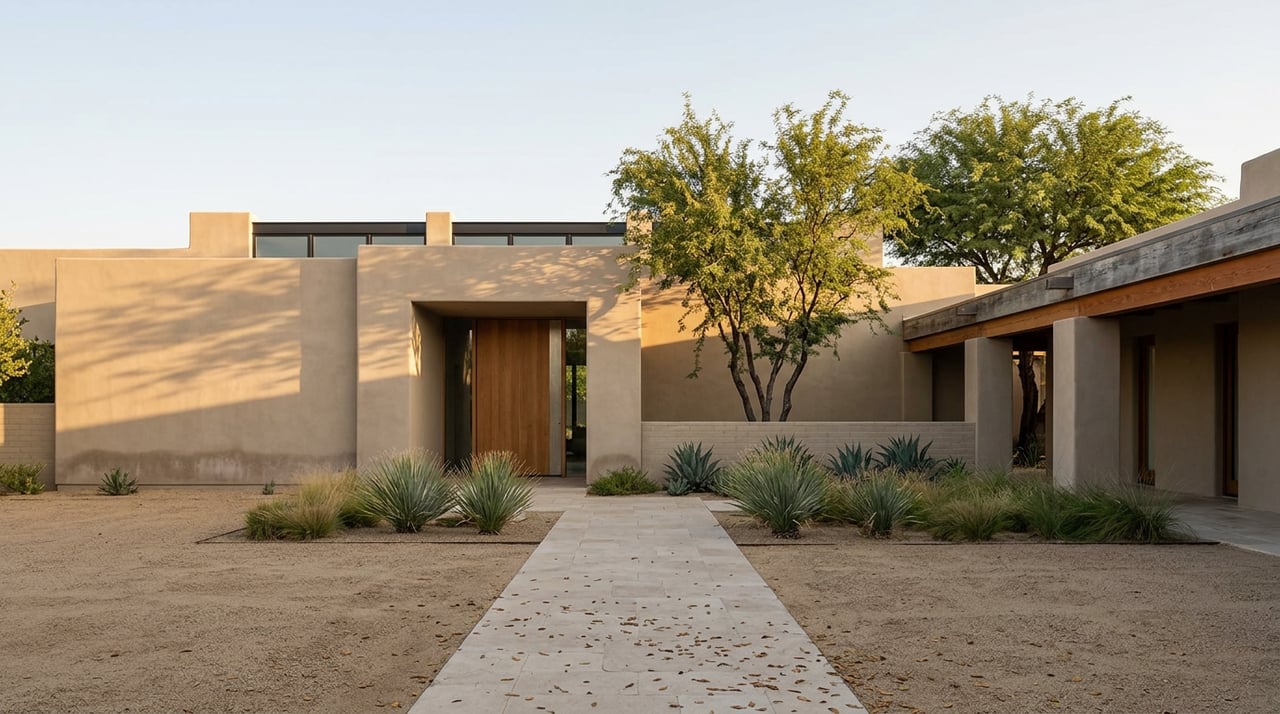
What you’ll notice: Stucco exteriors, clay barrel tiles, arched openings, thick masonry walls, covered loggias, and private courtyards. Decorative ironwork and carved wood doors add character. Many estates include casitas or guest suites.
Floor plan and flow
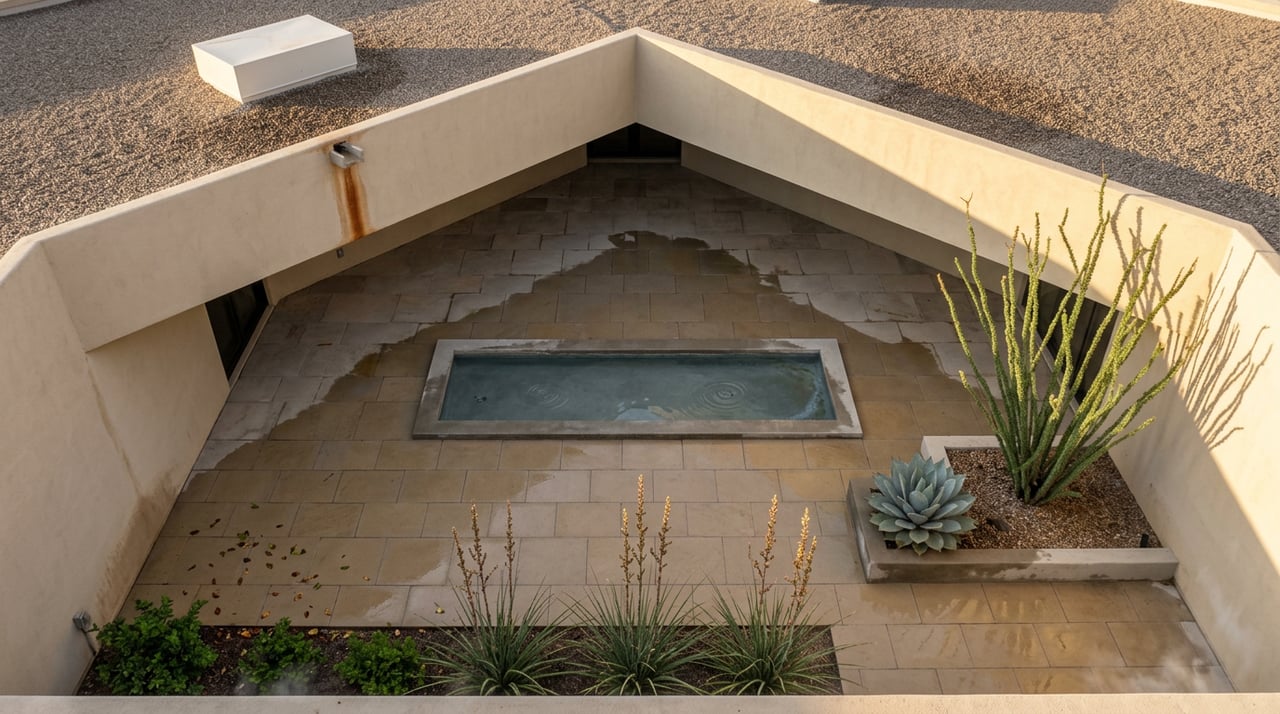
Most plans are single story or split level with a central courtyard that functions as another living room. Entertaining areas open to patios and views, while bedrooms are grouped for privacy. Primary suites often connect to a terrace or pool for quiet outdoor time.
Materials and finishes
Expect plaster walls, exposed beams, saltillo or terra-cotta floors, natural stone, and hand-applied finishes. Wrought iron and heavy wood accents are common, lending a handcrafted feel.
Climate performance
Thick masonry and thermal mass help moderate daily temperature swings. Deep overhangs and recessed windows limit direct sun. Well-placed courtyards promote cross-ventilation when doors and windows align with breezes.
Maintenance and renovation
Plan on routine stucco inspections and prompt crack repairs to prevent water intrusion, especially around windows and penetrations. Clay tile roofing lasts, yet the underlayment and flashing determine longevity, so periodic checks matter. Authentic finishes look great but can be pricier to repair or match. In historically sensitive areas, exterior changes may face design review.
Where you find them and who they fit
You’ll see many in the Catalina Foothills and custom foothill estates. This style fits buyers who value regional authenticity, formal entertaining, and a courtyard-centered lifestyle.
Contemporary desert homes
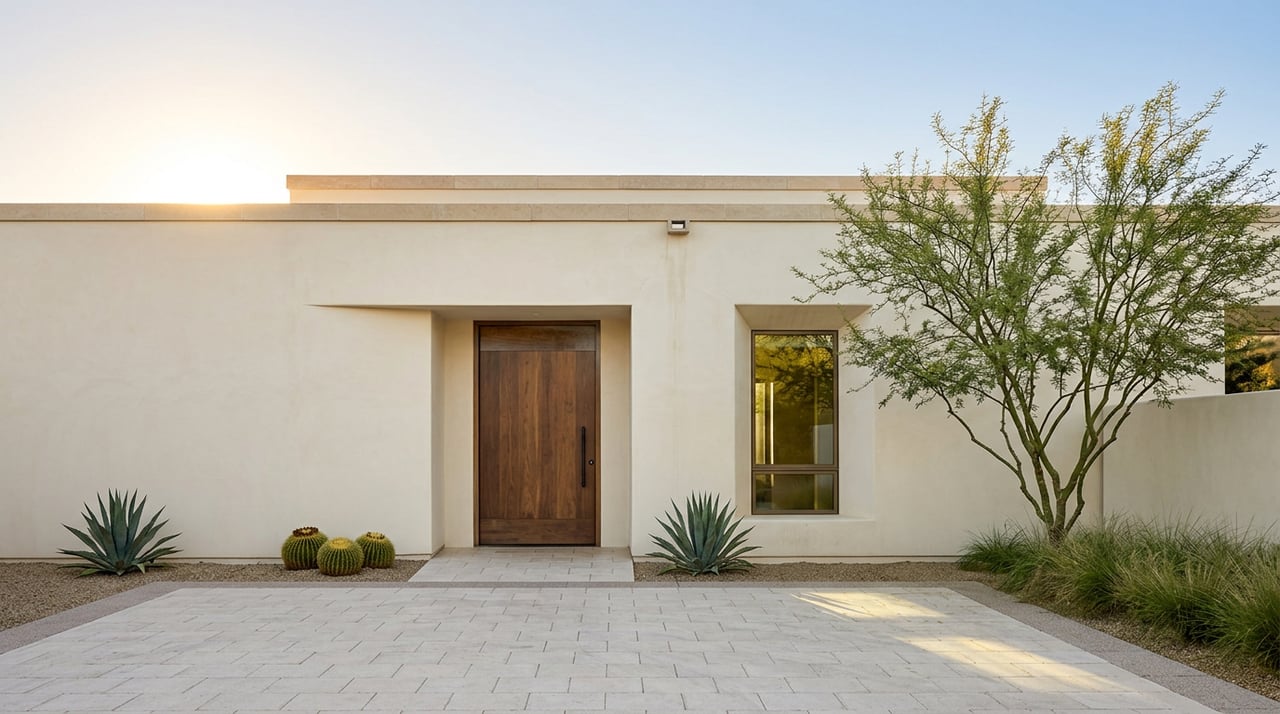
What you’ll notice: Clean lines, long horizontal forms, floor-to-ceiling glass, flat or low-slope roofs, and outdoor rooms that blur inside and out. Shade screens, steel and concrete accents, and minimalist palettes reinforce the modern look.
Floor plan and flow
Great-room layouts connect kitchen, dining, and living to maximize sight lines and mountain views. Plans are often single story or step with the terrain. Privacy comes from orientation, landscape, and screening rather than heavy walls.
Materials and finishes
You’ll see polished concrete, large-format tile, smooth stucco in monochrome tones, metal detailing, and warm wood accents. High-performance glazing, automated shades, and integrated lighting are common in luxury builds.
Climate performance
Large glass areas need careful solar control. Overhangs, exterior shading, and low-e glazing reduce heat gain. Concrete floors and other thermal-mass elements help stabilize temperatures. Air sealing and insulation are critical to keep cooling loads in check.
Maintenance and renovation
Expansive glass walls, multi-panel sliders, and smart systems require specialized maintenance and periodic calibration. Flat roofs demand clean drains and membrane checks, especially before monsoon season. Metal cladding and specialized sealants often need expert trades for long-term performance.
Where you find them and who they fit
Common on scenic foothill lots and in custom subdivisions. Best for buyers who want minimalist lines, indoor‑outdoor entertaining, and modern systems, and who are comfortable maintaining advanced glazing and technology.
Midcentury modern
What you’ll notice: Low profiles, post-and-beam structure, clerestory windows, long rooflines, and big glass openings that connect to patios and courtyards. Carports and built-in cabinetry often remain.
Floor plan and flow
Central living zones anchor the home, with a separate sleeping wing for quiet. Outdoor terraces act like additional rooms for dining and lounging. Most plans are single story for easy living.
Materials and finishes
Original homes may include terrazzo or wood floors, brick or stone elements, exposed beams, and eye-catching fireplaces. Renovated luxury examples aim to blend original character with upgraded systems.
Climate performance
Midcentury passive strategies work when preserved, such as overhangs and clerestories that bounce light while tempering heat. Original single-pane glass struggles in Tucson summers, so modern glazing and exterior shading can be smart upgrades.
Maintenance and renovation
Expect to evaluate structural elements like timber beams or cantilevers and plan for updates to mechanicals, insulation, glazing, and roofs. Sourcing in-kind materials to preserve authenticity can add cost but protects value for design-minded buyers.
Where you find them and who they fit
You’ll find midcentury properties in older midtown and foothill neighborhoods, plus custom estates. These homes suit buyers who love architectural history and are open to thoughtful system upgrades.
Territorial and Territorial Revival
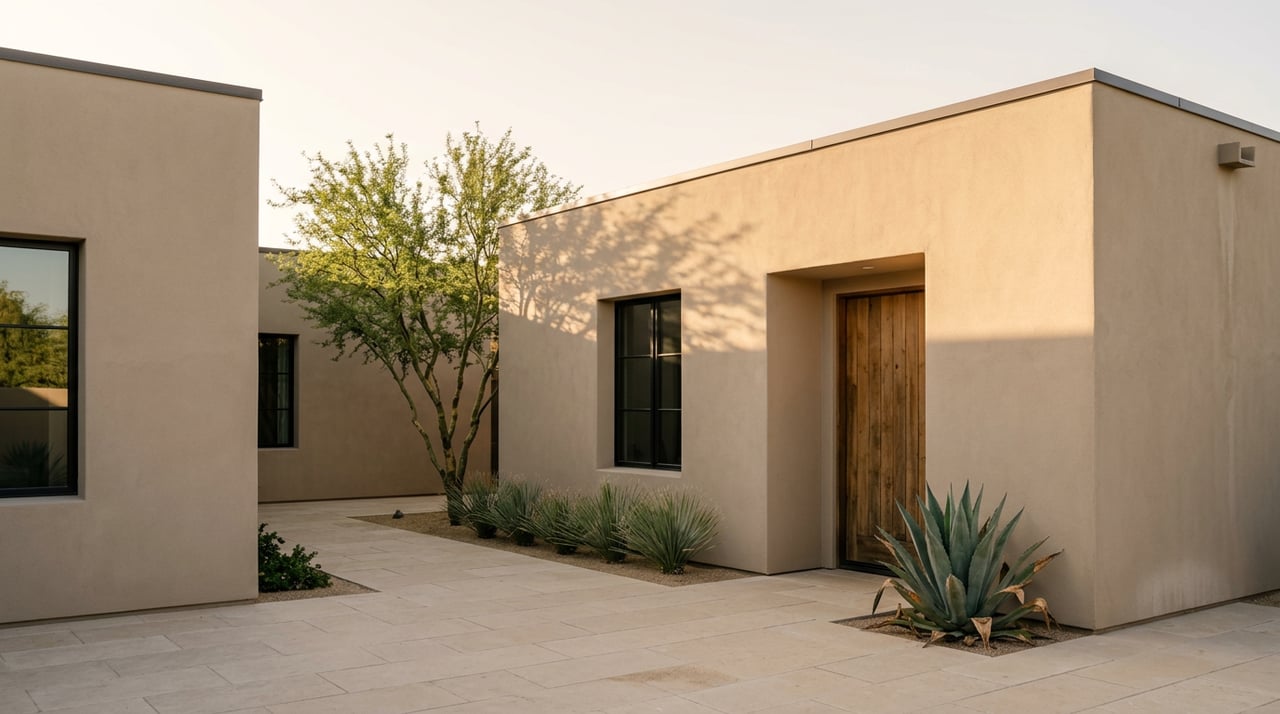
What you’ll notice: Stucco walls, flat or low-slope roofs with parapets, and brick coping at parapet tops. The look is symmetrical and restrained compared to ornate Spanish Revival.
Floor plan and flow
Plans often feel orderly and axial, with defined rooms and circulation. Covered porches and courtyards provide shaded outdoor living.
Materials and finishes
Stucco with brick accents, plaster interiors, and simple wood or metal trim create a clean, regional look. Interiors feel composed rather than decorative.
Climate performance
Like Spanish and Pueblo-inspired homes, thermal mass and courtyards help with comfort. Orientation and shading are essential to limit summer heat.
Maintenance and renovation
Stucco and brick details require standard desert maintenance, including crack monitoring, flashing checks, and good drainage. Preservation of original detailing supports long-term appeal.
Where you find them and who they fit
Often in historically influenced luxury areas and custom estates. Strong fit for buyers who want Southwest character with less ornamentation.
Operating costs and maintenance checklist
Use this quick scan during showings and inspections:
- Roofing and drainage: For tile roofs, verify underlayment age and flashing. For flat roofs, check membranes and clear scuppers and drains before monsoon season.
- Stucco and masonry: Look for cracks, separation at control joints, and proper flashing around windows and intersections.
- Glass and shading: Confirm low-e glazing, exterior shade devices, and deep overhangs in high-sun areas. Ask about window age and performance specs.
- Insulation and HVAC: Look for recent attic insulation, zoned systems, sealed ducts, and high-efficiency equipment. Ask for service records.
- Pools and water: Understand pool equipment age and maintenance. Favor xeriscape, native plantings, drip irrigation, and smart controllers to reduce water use.
- Desert pests: Schedule termite inspections and review any history of scorpions, snakes, or rodents around foundations and rooflines.
- Rules and permitting: If the home is in a historic district or HOA, plan for design review. Confirm permit requirements for additions, pools, and exterior remodeling.
How to choose your best fit
Match the style to your lifestyle and maintenance comfort.
- If you value regional authenticity, formal entertaining, and courtyard living: Spanish Colonial and Spanish Revival align well. Expect care for stucco, tile roofing, and specialty finishes.
- If you want seamless indoor‑outdoor flow and modern tech: Contemporary desert homes deliver, but invest in high-performance glazing, shading, and roof details.
- If you love architectural history and are willing to upgrade systems: Midcentury modern is rewarding. Budget for glass, insulation, roofs, and mechanicals while preserving original character.
- If you prefer Southwest presence without ornate detailing: Territorial Revival offers a composed look and straightforward maintenance.
When touring listings, keep this practical lens:
- Outdoor living: Are there shaded patios, courtyards, and pool access you will truly use in summer and evenings?
- Maintenance comfort: Are you comfortable with stucco, clay tile, large glass doors, and their upkeep schedules?
- Energy priorities: Does the home include high-performance glazing, efficient HVAC, and possibly solar, or room in your budget for upgrades?
- Renovation and rules: Will historic or HOA guidelines limit the changes you want?
- Water use: Do you prefer a pool and irrigated areas, or a low-water xeriscape approach?
- Orientation and views: Are main living spaces oriented for mountain views while managing direct summer sun?
Due diligence before you write an offer
- Historic status: Ask whether the property sits in a City of Tucson historic district or under a preservation overlay. The Tucson Historic Preservation Office and the Arizona State Historic Preservation Office can confirm designations and rules.
- Water programs: Contact your local water provider for current watering guidelines and rebate programs for high-efficiency irrigation or turf removal.
- Permits: Verify whether the home is under City of Tucson or Pima County jurisdiction, then confirm permits needed for pools, additions, or exterior changes with Planning & Development Services. Review HOA design rules when applicable.
- Energy savings: Consider an energy audit or HERS assessment to estimate savings from HVAC, insulation, and glazing upgrades.
- Monsoon and drainage: Review FEMA flood maps and Pima County floodplain information, and ask about any observed monsoon drainage issues.
- Protected plants: Arizona protects saguaros and some native species. Check local ordinances before removing cacti or significant vegetation.
- Pricing and comps: The local MLS, accessed through your buyer’s agent, is the most reliable source for recent comparable sales.
Ready to match your design preferences with the right property and due diligence plan? For curated tours, construction-informed guidance, and discreet representation across the foothills and greater Pima County, connect with Marta Harvey.
FAQs
What are the main Tucson luxury home styles and how do they differ?
- Spanish Colonial emphasizes courtyards and masonry, contemporary desert prioritizes glass and indoor‑outdoor flow, midcentury modern focuses on low profiles and clerestories, and Territorial Revival offers Southwest character with restrained detailing.
How do Spanish Revival homes handle Tucson heat?
- Thick masonry walls, deep overhangs, recessed windows, and shaded courtyards help control solar gain and support cross-ventilation when doors and windows align with breezes.
Are flat roofs on modern homes a concern during monsoon season?
- Flat roofs can perform well if drains and scuppers are clear, membranes are maintained, and flashing is in good condition, so schedule regular inspections before monsoon.
What energy upgrades matter most in glass-heavy contemporary homes?
- High-performance low-e glazing, exterior shade devices, deep overhangs, robust insulation, and tight air sealing reduce cooling loads and improve comfort.
What should I budget for with midcentury modern renovations?
- Plan for upgraded glazing, insulation, mechanical systems, and roof work while preserving original finishes like terrazzo, wood, and exposed beams when feasible.
How can I reduce water use with a pool and landscaping?
- Use xeriscape with native plants, drip irrigation, and smart controllers, maintain pool equipment well, and ask your water provider about available rebates.