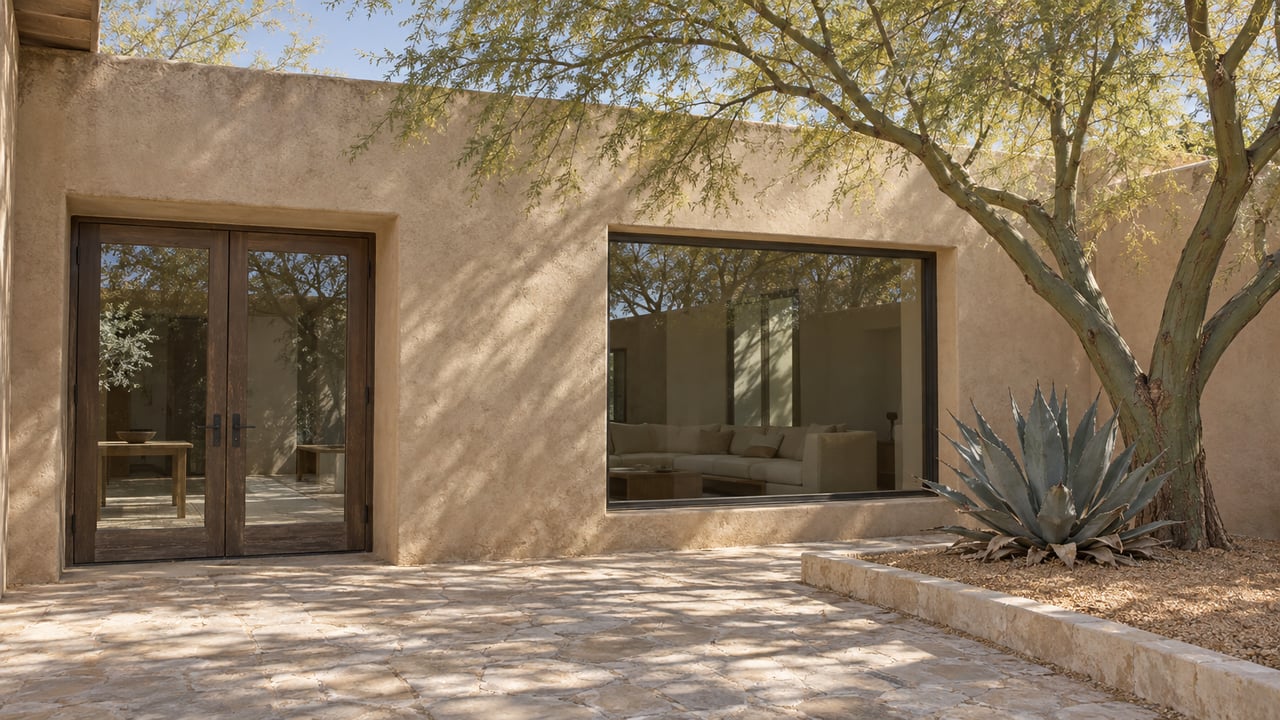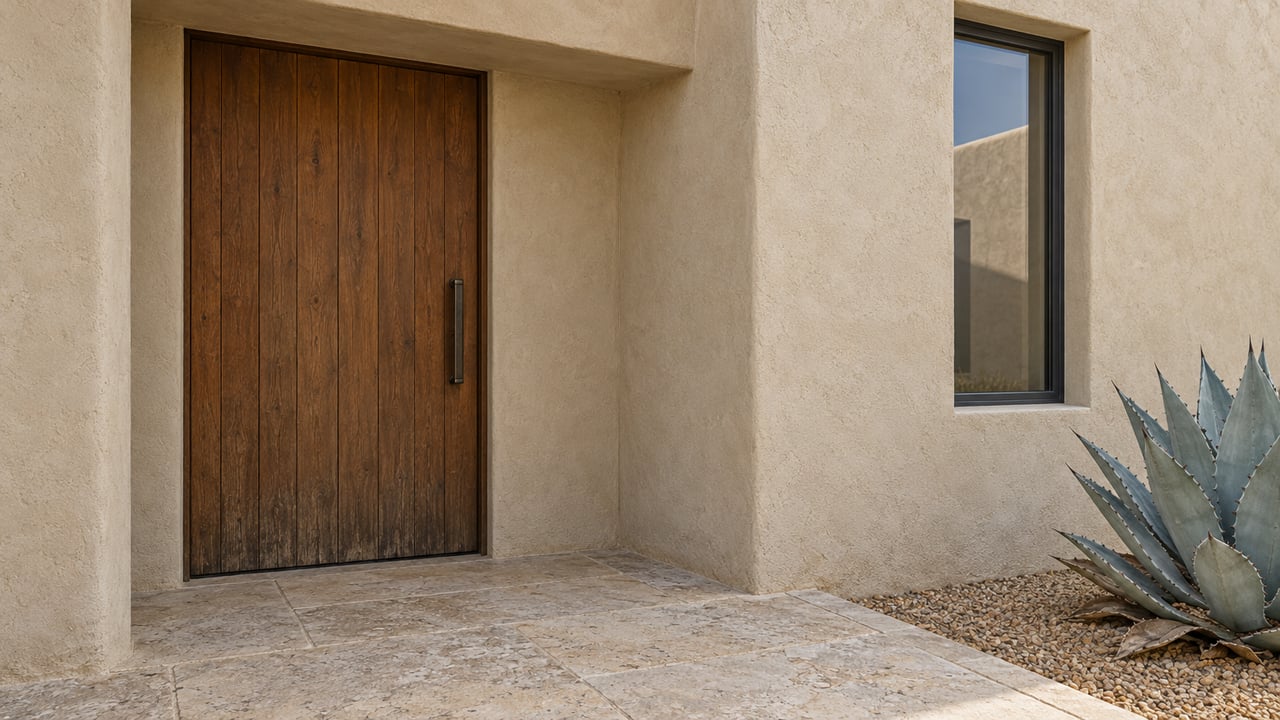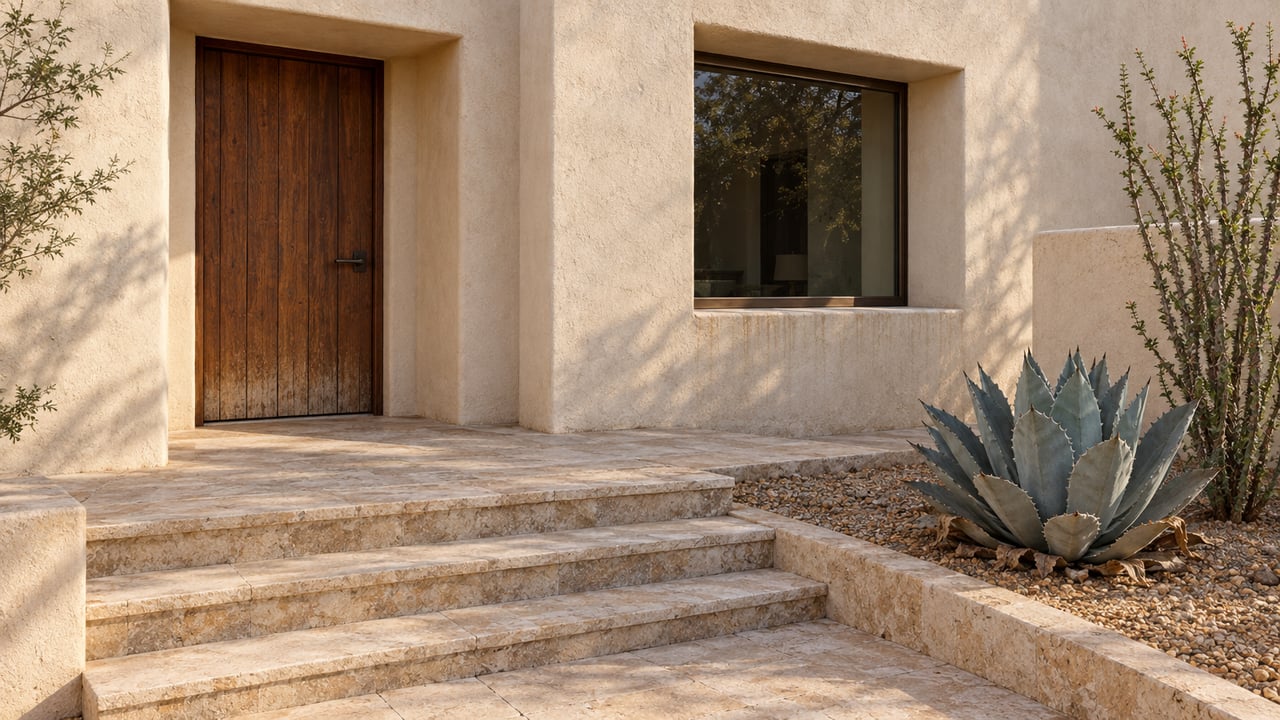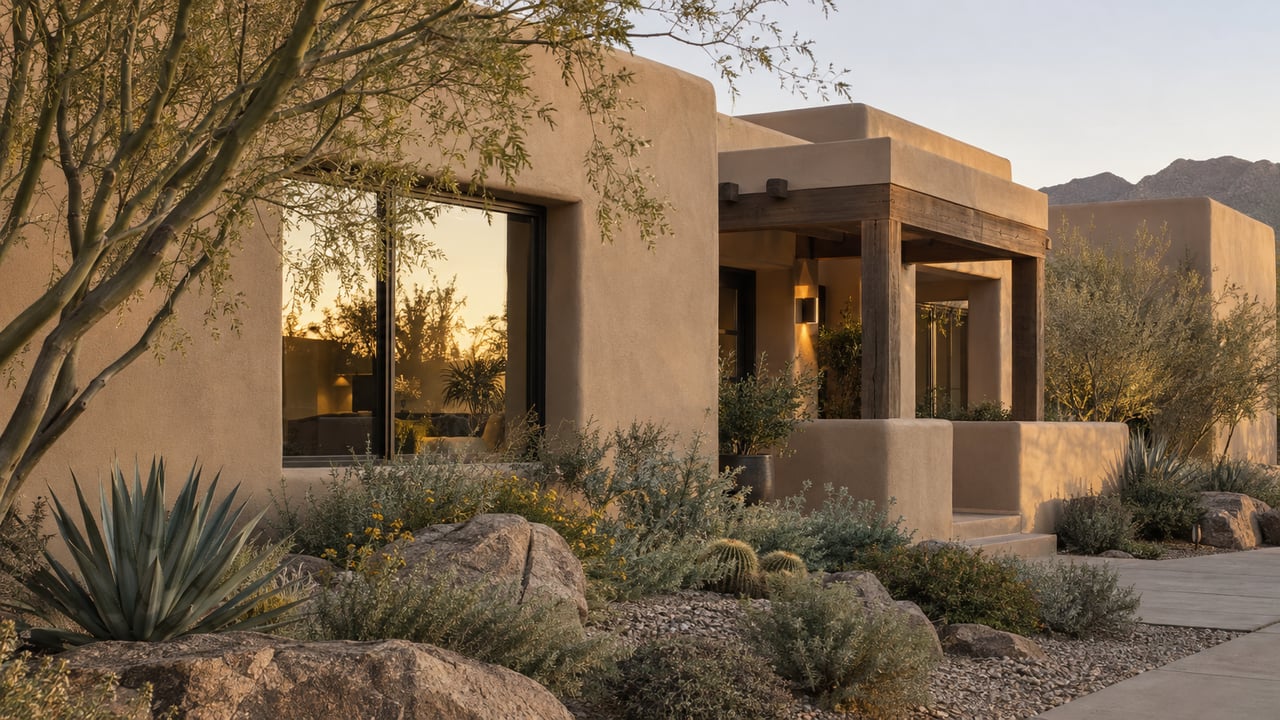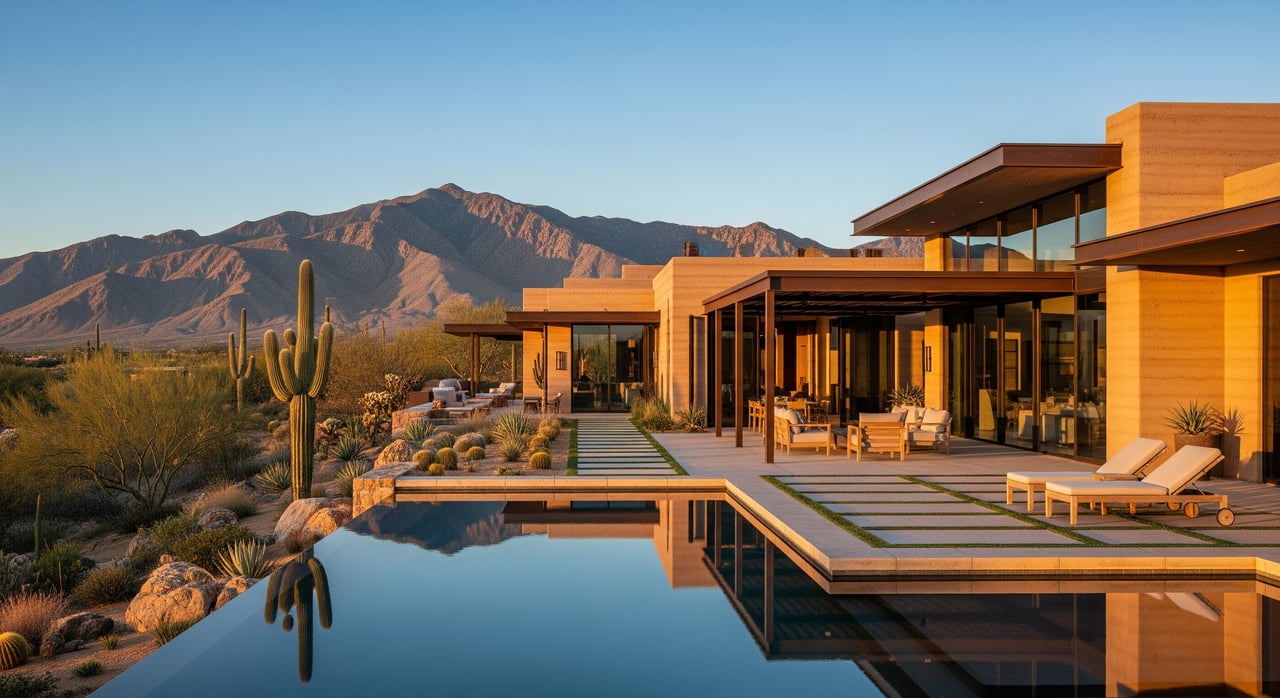
Thinking about a luxury move in Tucson? Arizona’s upper-tier market has evolved with new buyer migration, shifting inventory, and heightened attention to water and insurance. If you are buying or selling a high-end home here, you need clear, local context to make smart decisions. This guide breaks down the statewide trends influencing Tucson right now and gives you practical steps to move forward with confidence. Let’s dive in.
What “luxury” means in Tucson now
“Luxury” can be defined in a few ways: the top 5 percent of local sales, a set price threshold, or a percentile by submarket. Tucson’s luxury tier is smaller and generally lower-priced than Phoenix and Scottsdale, which makes it a value play for buyers who want mountain views and privacy without big-metro pricing. For this guide, treat luxury as the top tier of the Tucson market, often at or above the seven-figure range depending on the neighborhood.
Luxury buyers here include retirees, second-home owners, local high-net-worth residents, and out-of-state buyers who want an outdoor lifestyle and desert setting. Many seek modern systems, timeless finishes, and seamless indoor-outdoor living with views.
Statewide luxury trends shaping Tucson
Migration and lifestyle demand
Arizona continues to attract out-of-state buyers, especially from California and other western states. Lifestyle, climate, and relative cost advantages pull high-end buyers toward desert communities. Remote work has kept demand strong for homes with flexible spaces, guest suites, and private outdoor areas.
Pricing and inventory shifts
Arizona’s major metros saw rapid appreciation during the pandemic, followed by moderation as mortgage rates rose. Luxury trends often move differently than the broader market. In some periods, high-end inventory expanded and sales slowed. In others, low supply supported prices. Tucson is more niche and less liquid than Phoenix, so month-to-month swings can be pronounced by submarket and product type.
New construction focus and costs
Builders prioritized high-end single-family homes, golf and resort communities, and luxury lots in recent years. Materials and labor costs rose materially, which affects list prices for new builds and the feasibility of major remodels. In the Tucson area, custom infill and view-lot builds continue to be more common than large luxury towers.
Financing and jumbo dynamics
Luxury buyers may be less sensitive to rate changes, yet jumbo loan pricing and underwriting still matter. Cash remains common in the upper tier. If you plan to finance, understand jumbo options early and confirm appraisal assumptions for highly customized homes.
Water, climate, and insurance considerations
Water allocation and long-term supply are central to Arizona real estate decisions, especially for large-lot or well properties. Heat, wildfire, and localized flood risk inform maintenance costs, insurance availability, and buyer preferences for energy-efficient systems, shade, and defensible space. These factors can influence valuation and time on market.
Tucson’s luxury map and what to expect
Catalina Foothills
Custom homes with dramatic mountain and city views, large lots, and gated streets define the foothills. Expect HOAs or design review in many enclaves. Privacy, sight-lines, and outdoor living areas drive value. Energy efficiency and updated mechanicals are differentiators.
Oro Valley
Golf communities, newer construction, and planned neighborhoods offer a blend of amenities and mountain vistas. Many homes feature open-concept plans, covered patios, and low-maintenance desert landscaping. Buyers value turnkey condition and thoughtful upgrades.
Ventana Canyon and Starr Pass
Resort settings, golf access, and lock-and-leave layouts appeal to second-home owners and downsizers. Proximity to trails and club amenities is a draw. Condos and patio homes in this segment reward high-quality finishes and well-maintained systems.
Dove Mountain and Marana
Newer luxury enclaves with golf, desert vistas, and a quiet setting are common here. Larger single-story plans and privacy-forward lots suit remote professionals and retirees. Construction quality and outdoor shade solutions are key selling points.
Equestrian and acreage properties
On the edges of the metro, larger parcels may include barns, arenas, or extensive outbuildings. Due diligence on water source, wells, septic, and drainage is essential. Buyers often plan phased improvements, so access, grading, and utility capacity matter.
Urban infill and condos
While a smaller slice of the market, in-town luxury condos and modern infill homes attract design-minded buyers who want convenience and low maintenance. Rental potential and walkability can add appeal for investors and part-time residents.
Buyer playbook for today’s market
Clarify your top five priorities
List what matters most: views and privacy, lot size, single-level living, guest quarters, golf or equestrian access, or architectural style. Clear priorities help you act quickly when the right home appears.
Verify water early
Identify the water source and capacity. Review municipal service or well details, historical usage, and any conservation rules. For acreage properties, gather well logs, pump specs, and any recent upgrades. Plan landscaping and irrigation with long-term supply in mind.
Inspect beyond the basics
Add specialized inspections for HVAC sizing and efficiency, roof condition, pool and spa systems, grading and drainage, and wildfire defensibility where relevant. On older homes, evaluate electrical capacity and window performance to estimate upgrade costs.
Pre-check insurance and replacement cost
Confirm insurance availability and premiums upfront, especially for high-value or unique properties. Ask your carrier for a replacement-cost estimate that aligns with current construction costs.
Understand HOA and design rules
If you plan to add guest quarters, solar, or exterior features, review HOA documents and design guidelines before you commit. Timelines and approval processes vary by community and can affect your plans.
Align financing with the property
If using a jumbo loan, consult your lender early. Appraisers can struggle with one-of-a-kind homes. Provide strong comps and plan for a longer appraisal window.
Seller strategy to stand out
Price to the submarket
Luxury pricing is hyperlocal. Use recent, directly comparable sales in your specific enclave. Unique custom features can both add value and narrow the buyer pool. Aim for a price that captures your advantages without stalling momentum.
Lead with climate‑savvy features
Highlight durable, energy-efficient systems, upgraded HVAC, quality insulation, shade structures, and covered outdoor rooms. Showcase recent capital work such as roof replacements, pool equipment, well upgrades, or drainage improvements. These items reassure buyers and reduce perceived risk.
Prepare comprehensive disclosures
Provide water details, flood or water-intrusion history, and documentation for structural, landscape, and drainage work. Transparent packages help buyers move with confidence and support appraisal.
Elevate presentation and reach
Invest in professional media, including twilight and drone photography, floor plans, and virtual tours. Target out-of-area buyers through relocation channels and curated digital marketing. Leverage global syndication to reach qualified audiences beyond Tucson.
Risks and due diligence to get right
Water and regulatory context
Understand local water policies and any applicable rules for wells and large-lot irrigation. Water rights and assured-supply standards can influence feasibility for development and resale.
Climate, flood, and wildfire
Some foothill and wash-adjacent properties carry flood or debris-flow exposure. Heat and wildfire risk affect maintenance, insurance, and system design. Site orientation, shade, and landscaping choices can improve resilience.
Insurance availability and cost
Premiums and underwriting can shift for high-value homes. Start the insurance review early, especially for remote or unique properties.
Construction costs and timelines
Custom renovations and new builds are shaped by materials pricing and skilled labor availability. Build realistic timelines and contingency budgets into your plan.
Zoning, HOA, and use restrictions
Gated and golf communities often have design review, guest-house limits, or equestrian rules. Confirm restrictions before committing to a design or purchase.
Is Tucson luxury a good value?
Compared with Phoenix and coastal metros, Tucson often delivers more lot size, views, and privacy per dollar. The trade-off is a smaller, less liquid market with longer average listing periods and more variation by neighborhood. If you value scenery, architecture, and a quieter pace, Tucson can be a compelling long-term choice. Success comes from precise pricing, clear priorities, and careful due diligence on water, climate, and insurance.
Your next step
If you are considering a purchase or sale in the Catalina Foothills, Oro Valley, Tanque Verde, or broader Pima County, align with a local advisor who pairs market intel with construction-informed guidance. From pre-list planning and staging to targeted outreach for out-of-state buyers, you want a process built for premium results. Start a focused conversation with Marta Harvey to map your strategy.
FAQs
What price range defines luxury in Tucson?
- Luxury is best viewed as the top tier of the local market, often seven figures or the top 5 percent of sales by price, depending on the submarket and product type.
Which Tucson neighborhoods are considered luxury and why?
- Areas like the Catalina Foothills, Oro Valley, Ventana Canyon, and Dove Mountain feature custom homes, views, and amenity access that typically place them in the market’s upper tier.
How does water availability affect large-lot luxury purchases in Tucson?
- You should verify the water source, capacity, and any restrictions, and review bills or well logs to understand long-term supply and landscaping implications.
Are there unique insurance or climate risks for Tucson luxury homes?
- Heat, wildfire, and localized flood risk can influence premiums and coverage; confirm availability and replacement-cost estimates with a local carrier early in the process.
How do financing options differ for luxury buyers in Tucson?
- Jumbo loans have specific underwriting and appraisal needs; cash offers are common, so align financing early and prepare for unique-property appraisal dynamics.
How fast do luxury homes sell and how should I price?
- Timelines vary by submarket and product; price using recent, direct comps and present climate-resilient features and full disclosures to keep momentum.