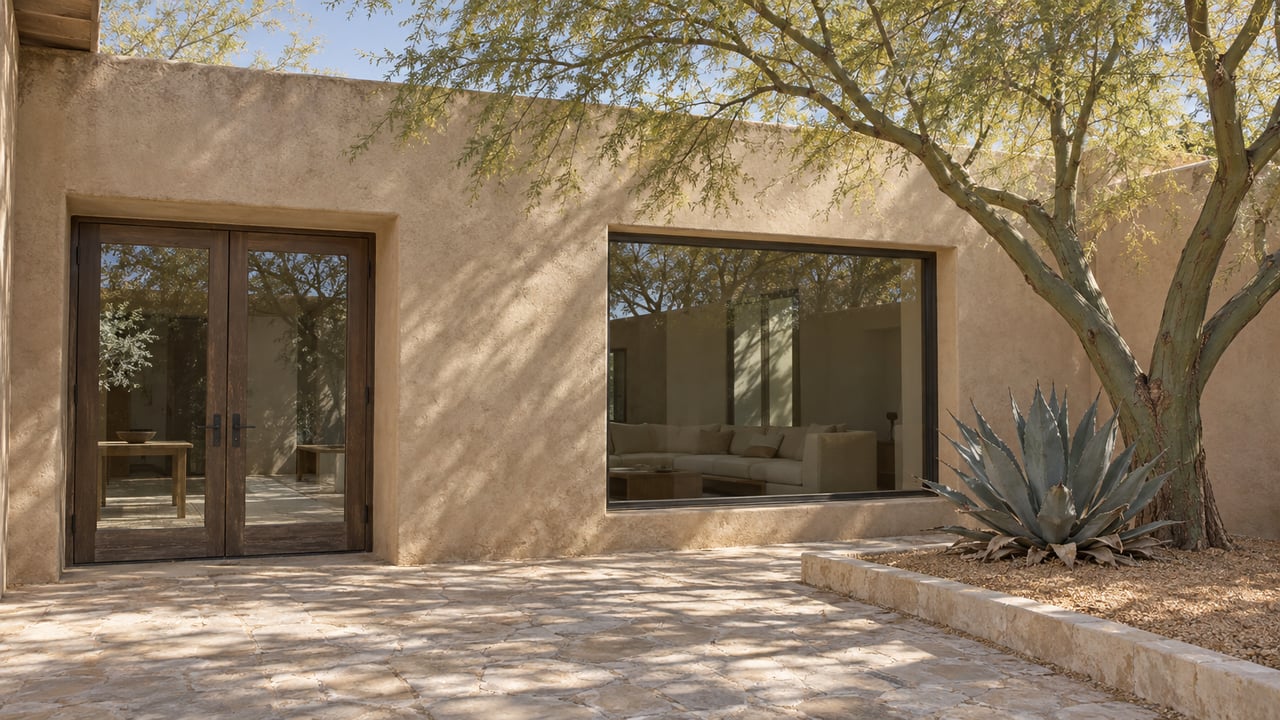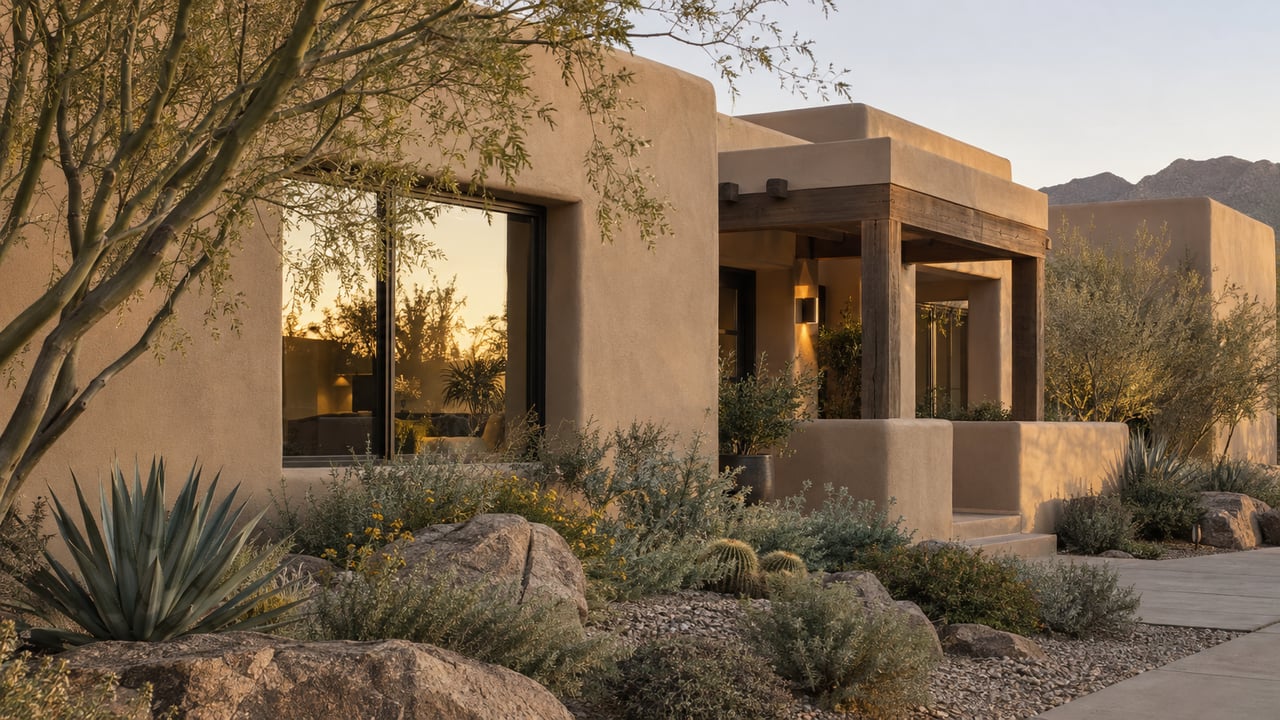
Wondering whether a Catalina Foothills view lot is worth the premium? It can be, but the best lots are not defined by a dramatic photo alone. If you want a homesite that protects sight-lines, supports smart design, and holds long-term value, you need to look past the panorama and into the planning details. Let’s dive in.
Why view lots need deeper review
In Catalina Foothills, a view lot is as much a planning question as it is a scenery question. This area is a defined Pima County planning area, and county policy adds important context for how a future home may be designed and how nearby properties may develop.
One of the biggest factors is building height. In the Catalina Foothills planning area, new buildings over 24 feet require specific authorization from the Pima County Board of Supervisors, and the Board can also limit construction to one story. For you as a buyer, that means a view may be better protected when terrain, setbacks, and height limits work in your favor.
That distinction matters because not all views carry the same value. A mountain view, city-light view, and open-space view are each different from a pricing standpoint. Research cited in the report shows scenic premiums are real, but they depend on what you see and how open that view stays over time.
Know the Catalina Foothills context
Catalina Foothills is one of Pima County’s high-end residential communities. That helps explain why buyers here often pay for both location and scenery, especially when the lot supports a custom home with strong indoor-outdoor living.
Still, premium pricing should not lead the process. A lot can look exceptional in a listing and still present constraints that affect driveway design, grading, buildable area, or future enjoyment. In this market, the stronger purchase is usually the lot that balances view, usability, and design flexibility.
Start with buildability
Before you compare asking prices, review whether the lot actually works for the kind of home you want to build. In Catalina Foothills, that often starts with Pima County land use and hydrology maps.
County guidance emphasizes avoiding resource areas such as mapped floodplains when appropriate. If flood hazards are present, even a single-lot project may require floodplain review. That can influence where you place the home, how much grading is needed, and how much of the parcel is truly usable.
A large lot on paper is not always a large building envelope in practice. Washes and drainage corridors can reduce the area available for the home, outdoor living, walls, grading, septic improvements, or accessory structures. That is why site review matters early, before you attach too much value to the lot size shown on a listing sheet.
Hillside design can change everything
If a parcel falls within a hillside development overlay impact area, site planning becomes even more important. Pima County’s hillside checklist highlights the details that shape a successful build, including topography, finished floor elevations, structure placement, driveway location, paving extent, slope stabilization methods, and in some cases color palette and reflectivity values.
For you, this means the best view lot is rarely just the highest one. It is usually the lot with a usable building pad, a driveway that works without excessive disruption, and house massing that fits the terrain rather than fights it.
This is where a construction-informed approach can help. A lot with a dramatic ridge position may still be less practical than one with a slightly lower perch but a better pad, more manageable grade, and more comfortable outdoor layout.
Read listing photos carefully
Listing photos can be helpful, but they are often the beginning of your analysis, not the end. A sunset image may highlight one angle beautifully while leaving out slope conditions, neighboring rooflines, or the exact point from which the photo was taken.
A better reality check comes from site-plan details. The county’s hillside checklist calls for items such as a north arrow, property dimensions, existing and proposed grades, finished floor elevations, and site cross sections. If the materials you are reviewing do not show those basics, it becomes harder to judge whether the view is broad and durable or limited to a narrow slice from one corner of the future home.
When you review a lot, ask practical questions:
- From which rooms will the main view actually be visible?
- Will the view be strongest from the living area, the primary suite, or only a back patio edge?
- Does the buildable pad support the orientation that makes the best use of the sight-line?
- Could grading, walls, or neighboring improvements affect the openness of the view?
Orientation matters in the desert
In Catalina Foothills, the best view side is not always the easiest side to live with. Tucson’s climate is intense, with NOAA normals showing average highs of 100.2°F in July and 98.6°F in August. Annual precipitation averages 10.61 inches, with much of the rainfall concentrated during monsoon season.
That climate has design consequences. DOE guidance in the report notes that south-facing windows bring in more winter sun, while east- and west-facing glass can create glare and unwanted heat gain. If your favorite view faces west, you may need a design strategy that protects comfort without giving up the scenery.
This is one reason thoughtful buyers weigh view and orientation together. A lot with a slightly different angle may offer a more comfortable daily living experience, especially if it allows better shade control and stronger indoor-outdoor use during the warmer months.
Outdoor living should be part of the decision
A view home in the foothills is not just about what you see through the glass. It is also about how the lot supports patios, courtyards, shade, and outdoor gathering areas that feel usable through much of the year.
When you evaluate a site, think about patio depth, pool placement, and whether the lot allows natural buffers from the western sun. Existing trees, walls, preserved vegetation, and low-reflectivity finishes can all influence how private and comfortable the outdoor spaces feel once the home is complete.
A lot can have a beautiful view and still underperform if the outdoor living area ends up too exposed, too shallow, or too hot in the afternoon. In practice, some of the most successful foothills homes are the ones that pair strong sight-lines with outdoor spaces that feel calm and livable.
How to think about price
Catalina Foothills remains an expensive submarket even before any view premium is added. According to the research report, Redfin reported a March 2026 median sale price of $599,000, while Zillow reported an average home value of $746,960 and a median sale price of $657,667 in February 2026.
Those numbers reflect the broader market, not view lots specifically. Still, they provide a useful benchmark for the area’s overall price level and remind you that view pricing should be handled with care.
The smartest way to think about a view premium is as a negotiated feature, not a fixed percentage. Scenic value is highly context-dependent, which means comparables should be matched by more than subdivision name or square footage.
When reviewing a view-lot price, focus on factors like:
- Sight-line protection from terrain, setbacks, and likely future development patterns
- Topography and the cost implications of grading or slope work
- Privacy from nearby homes, roads, and outdoor living areas
- Buildable pad quality and how easily the site supports your desired floor plan
- Orientation and the comfort of the view side during hotter months
- Drainage and floodplain constraints that may reduce usable area
The strongest lots share three traits
In practical terms, the best Catalina Foothills view lots usually combine three things. They offer a protected view corridor, a usable building pad, and outdoor spaces that can be made comfortable in summer.
Lots that deliver only one of those features can still be attractive. A dramatic view may justify some trade-offs, or a very easy build site may still appeal even if the view is narrower. The key is making sure the price reflects those compromises.
This is where clear-eyed analysis matters most. In a premium foothills market, overpaying often happens when buyers focus on the image first and the site plan second.
A practical buying approach
If you are considering a view lot in Catalina Foothills, a disciplined review process can help you protect both lifestyle and value. You do not need to overcomplicate the search, but you do need to slow down enough to test whether the lot supports the home you imagine.
A sensible framework includes:
- Confirm the lot’s position within the Catalina Foothills planning area.
- Review county land use and hydrology maps.
- Check for floodplain or drainage issues that could reduce buildable area.
- Determine whether hillside overlay considerations apply.
- Study grades, floor elevations, and likely driveway approach.
- Evaluate orientation, heat exposure, and outdoor living comfort.
- Compare price based on protected view, usability, and privacy rather than image alone.
If you approach the purchase this way, you are far more likely to choose a lot that works well on paper, on site, and over time.
Buying a view lot in Catalina Foothills should feel exciting, but it should also feel grounded. When you combine market judgment with site-level review, you give yourself a much better chance of ending up with a homesite that is beautiful, buildable, and worth the premium. If you want a practical, design-aware perspective on foothills properties and custom-home sites, connect with Marta Harvey.
FAQs
What makes a Catalina Foothills view lot valuable?
- A valuable Catalina Foothills view lot usually combines a protected sight-line, a usable building pad, and outdoor areas that can be designed for comfort in the desert climate.
Why do height limits matter when buying a Catalina Foothills lot?
- In the Catalina Foothills planning area, new buildings over 24 feet require specific Board of Supervisors authorization, and the Board may limit construction to one story, which can affect how protected a future view remains.
How can floodplain issues affect a Catalina Foothills view lot?
- Floodplain or drainage conditions can reduce the buildable area of a lot and may require county review for improvements such as grading, structures, walls, septic systems, or accessory features.
What should you review besides Catalina Foothills listing photos?
- You should review site-plan details such as property dimensions, grades, finished floor elevations, cross sections, and orientation to understand whether the view is broad, durable, and usable in the finished home design.
Does lot orientation matter for a Catalina Foothills view home?
- Yes. In Tucson’s hot desert climate, west- and east-facing glass can create glare and heat gain, so the most dramatic view direction is not always the most comfortable one for daily living.
How should you compare Catalina Foothills view-lot prices?
- Compare pricing based on view protection, topography, privacy, drainage constraints, orientation, and the quality of the buildable pad rather than assuming a standard premium for all view lots.