You do not need a lawn to make your Tucson home feel lush and valuable. In the Sonoran Desert, a smart, water-wise landscape can look beautiful, lower costs, and keep outdoor spaces comfortable in summer. If you are preparing to sell or you want to invest in curb appeal that lasts, choosing the right desert-friendly design makes a visible difference. In this guide, you will learn which features buyers notice, what to avoid, and how to plan upgrades that match Tucson’s climate and neighborhood norms. Let’s dive in.
Why desert landscaping matters in Tucson
Tucson sits within the Sonoran Desert, where heat, intense sun, and low rainfall shape what survives and looks good year-round. Local buyers value shade, low maintenance, and water efficiency. Native and desert-adapted plants typically perform best and support the local ecosystem. For a helpful overview of our desert’s plant communities and conditions, explore the Arizona-Sonora Desert Museum’s resources on Sonoran Desert ecology.
Water is the main constraint. Efficient irrigation and smart plant placement make outdoor areas usable while keeping costs in check. You can create a refined, modern look without turf by balancing hardscape, sculptural plants, and shade.
What adds value fast
First impression and layout
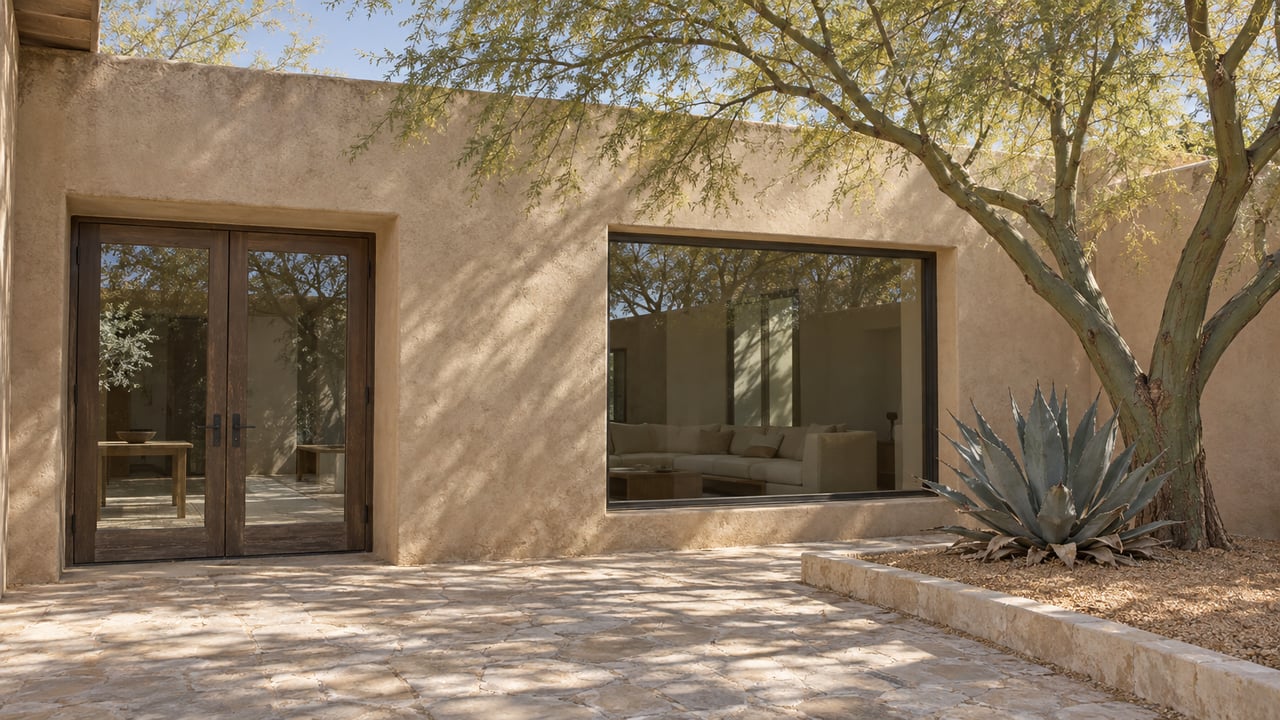
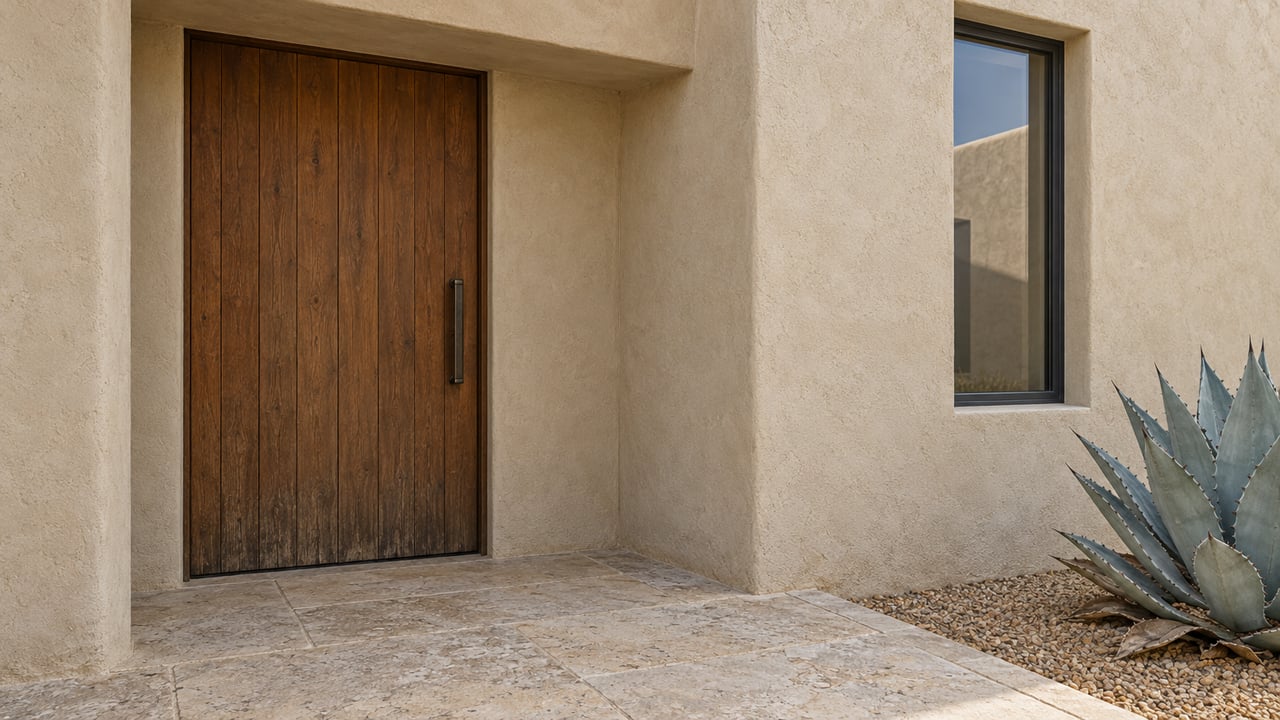
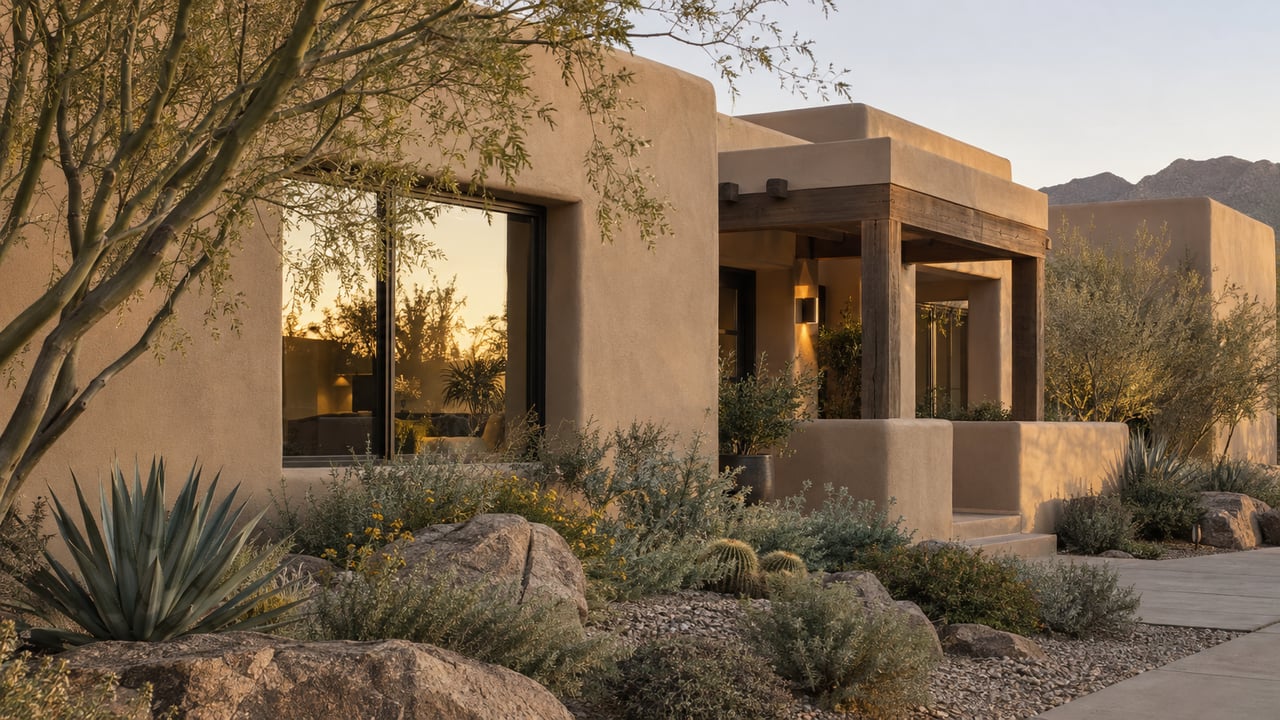
A clean, organized front yard signals care. Create a clear entry path, define planting areas, and keep the street view uncluttered. Many Tucson homes benefit from one strong focal point, such as a sculptural cactus, a specimen tree, or a well-placed boulder. Fresh decomposed granite or gravel, neat edges, and tidy planters read as turnkey.
Shade that works in summer
Shade is comfort, and comfort sells. Consider palo verde, velvet mesquite, or desert willow for filtered shade that cools patios and windows. Mature canopy trees reduce heat exposure on hardscape, make outdoor rooms more usable, and frame views without blocking sightlines when placed correctly.
Irrigation that is efficient
In desert landscapes, drip irrigation and micro-sprays targeted at the root zone are far more efficient than overhead sprinklers. Group plants by water need and place trees on separate zones for deeper, less frequent watering. Smart controllers and soil moisture sensors can further reduce waste; the EPA’s WaterSense program offers practical guidance on efficient irrigation.
Rainwater harvesting and add-ons
Capturing rain from your roof with barrels or a cistern can supplement irrigation and reduce demand on the municipal supply. For current recommendations and any available programs, review the City of Tucson Water resources on water-wise landscaping. Simple grading to direct water into swales also helps plants thrive with less irrigation.
Hardscape, lighting, and livability
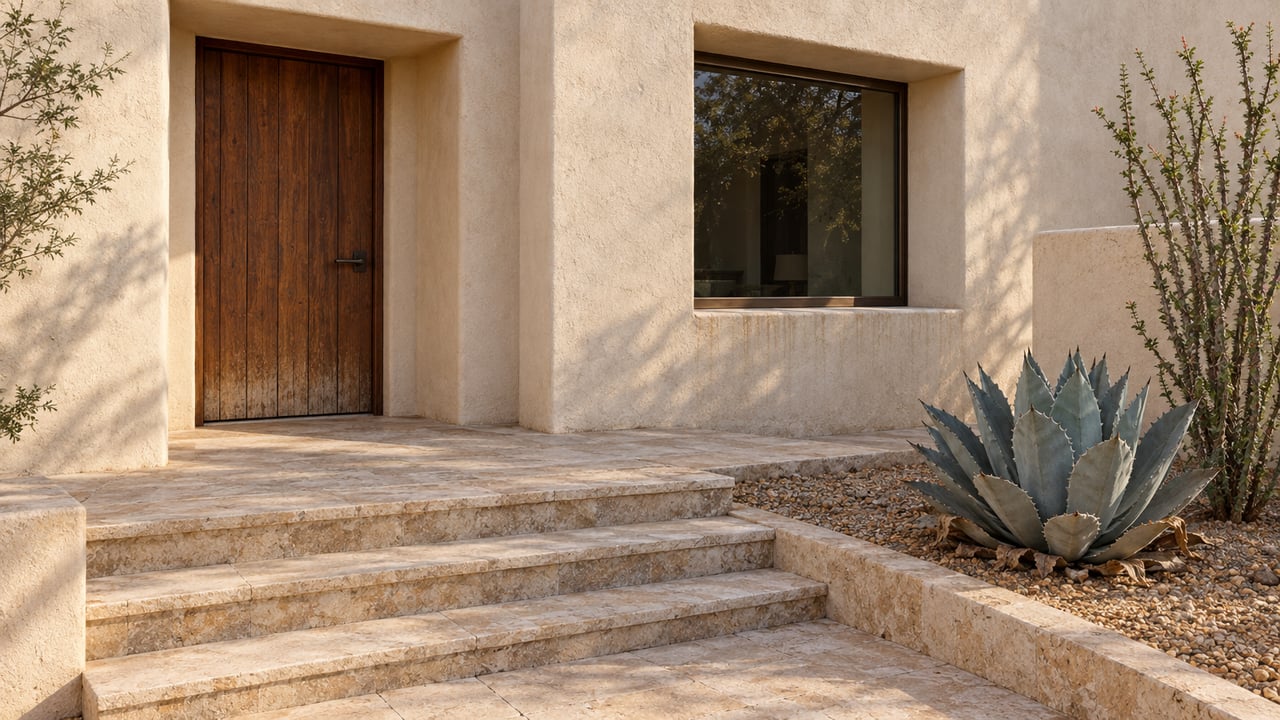
Quality hardscape reads as premium. Pavers, flagstone, and well-compacted paths add structure and keep gravel from spreading. Low-voltage LED lighting highlights focal plants, guides guests safely, and elevates evening curb appeal. If you add shade structures or patios, invest in good proportions and finishes, and confirm permitting requirements before you build.
Firewise edges near open space
If your property is near desert scrub or open space, design with defensible space in mind. Keep plantings near the home lower in fuel, maintain clear zones around structures, and remove dry debris. The NFPA’s Firewise guidance outlines practical steps that can help reduce risk.
Plant palette that performs in Tucson
Use plants adapted to our soils and temperature swings. Native selections handle heat and low rainfall, and they support local wildlife.
- Trees: palo verde, velvet mesquite, desert willow. Place to shade patios and west-facing windows while preserving views.
- Shrubs and accents: fairy duster, brittlebush, creosote, chuparosa, and ocotillo for height and seasonal bloom.
- Succulents and cacti: agaves, yuccas, and prickly pear for sculptural interest. Keep spiny plants away from walkways and seating for safety.
For plant lists and care guidance, the Native Plant Society of Arizona offers helpful references for desert-adapted choices. Avoid invasive species such as buffelgrass, which spreads quickly and increases fire risk; learn identification and removal strategies through regional buffelgrass resources.
What to avoid
Poor execution can erase value. Watch for these common issues:
- Cluttered rock beds and cheap plastic edging that reads as temporary.
- Failing or disconnected irrigation that leaves plants stressed or dead.
- Overplanting that looks chaotic or blocks views and entries.
- Spiny or messy plants placed along walkways or near doors.
- Water features that are not recirculating or well-maintained, which add cost and upkeep.
- Grading that directs runoff toward foundations rather than into planting swales.
A phased plan for sellers and buyers
If you are preparing to list or you just closed on a home that needs a refresh, a phased approach controls cost and improves results.
Phase 1: Clean and repair
Start with weed removal and buffelgrass control, then repair irrigation and replace dead plants. Refresh decomposed granite or gravel where it has thinned, and touch up edges and pathways. This alone often transforms first impressions.
Phase 2: Add shade and structure
Install one or two specimen trees in strategic locations for comfort and balance. Define the entry with a focal element, such as a sculptural agave or an ocotillo. Consider a small seating node or a clean flagstone pad to suggest livable outdoor space.
Phase 3: Layer interest and color
Add shrubs for seasonal bloom and fill visual gaps, keeping mature sizes in mind. Group plants by water need to simplify irrigation. Use lighting to highlight the architecture and key plants without glare.
DIY or hire a pro
Hire a contractor for irrigation design, large tree installation, larger hardscape, and any permitted shade structures. Many homeowners can DIY planting, mulching, and small decorative projects. For plant selection and care tips tailored to Pima County, the University of Arizona Cooperative Extension offers region-specific guidance.
Maintain for the first two years
New desert plants need consistent deep watering while they establish. Plan to adjust emitters as plants grow, prune shrubs and trees seasonally, and continue invasive grass monitoring. Keeping irrigation in good working order preserves the investment and supports resale.
Permits, codes, and community rules
Before you make big changes, review city, county, and HOA guidelines. Some native species, including saguaros, have protections, and removals or relocations can require approvals. Many communities also have standards for front yards and common-area views. For water-wise upgrades, including potential rebate or program information, consult City of Tucson Water and confirm current requirements. When in doubt, check rules first to avoid delays during a sale.
Cost and ROI, the Tucson way
Landscaping return depends on neighborhood norms and execution. In many Tucson areas, buyers respond to clean hardscape, healthy desert plantings, and shade more than to turf. Well-designed, low-water yards often reduce operating costs and maintenance, which strengthens your listing story. Align choices with your home’s architecture and surrounding streetscape to maximize impact.
A simple, high-value formula for many properties is: repair irrigation, remove weeds and invasives, refresh gravel, add a strategic shade tree, and place one or two sculptural accents. This creates a curated, low-maintenance look that photographs well and shows even better in person.
Trusted resources
Use these authoritative sources when you plan and maintain your landscape:
- City of Tucson Water, for water-wise landscaping guidance and program information.
- EPA WaterSense, for irrigation efficiency tips and tools.
- Native Plant Society of Arizona, for plant selection and care references.
- Arizona-Sonora Desert Museum, for Sonoran Desert plant and ecology context.
- University of Arizona Cooperative Extension, Pima County, for regional how-to guidance.
- USDA Plant Hardiness Zone Map, to confirm plant suitability for Tucson’s zones.
- NFPA Firewise, for defensible space practices near wildland areas.
- Buffelgrass regional resources, for identification and removal methods.
Ready to align your curb appeal with Tucson’s desert lifestyle? If you want a targeted pre-listing plan or a buyer’s refresh that fits your home and neighborhood, reach out to Marta Harvey for design-informed guidance and market-savvy execution. Connect with Marta at Marta Harvey.
FAQs
What desert landscaping features add value in Tucson?
- Focus on efficient drip irrigation, a clean and organized layout, one or two well-placed shade trees, refreshed gravel, and a sculptural focal plant for a turnkey look.
Why is drip irrigation preferred in Tucson’s climate?
- Drip applies water directly to plant roots with less evaporation than overhead sprinklers, and pairing it with smart controllers helps reduce waste and ongoing costs.
What is buffelgrass and why should I remove it?
- Buffelgrass is an invasive grass that spreads rapidly, competes with native plants, and increases fire risk, so removal and ongoing monitoring protect your landscape and home.
Will removing my lawn hurt resale in Tucson?
- It depends on neighborhood norms, but a thoughtful conversion to a low-water design that adds shade and usable space typically preserves or improves curb appeal.
How long before new desert plants look established?
- Many shrubs and accents fill in within one to three years, while shade trees take longer to provide full canopy, so plan for staged impact with immediate hardscape and a few focal plants.
Do I need permits or HOA approval for landscape changes?
- Check city, county, and HOA rules before major work, especially for protected native plants, irrigation system changes, or new structures like ramadas or walls.