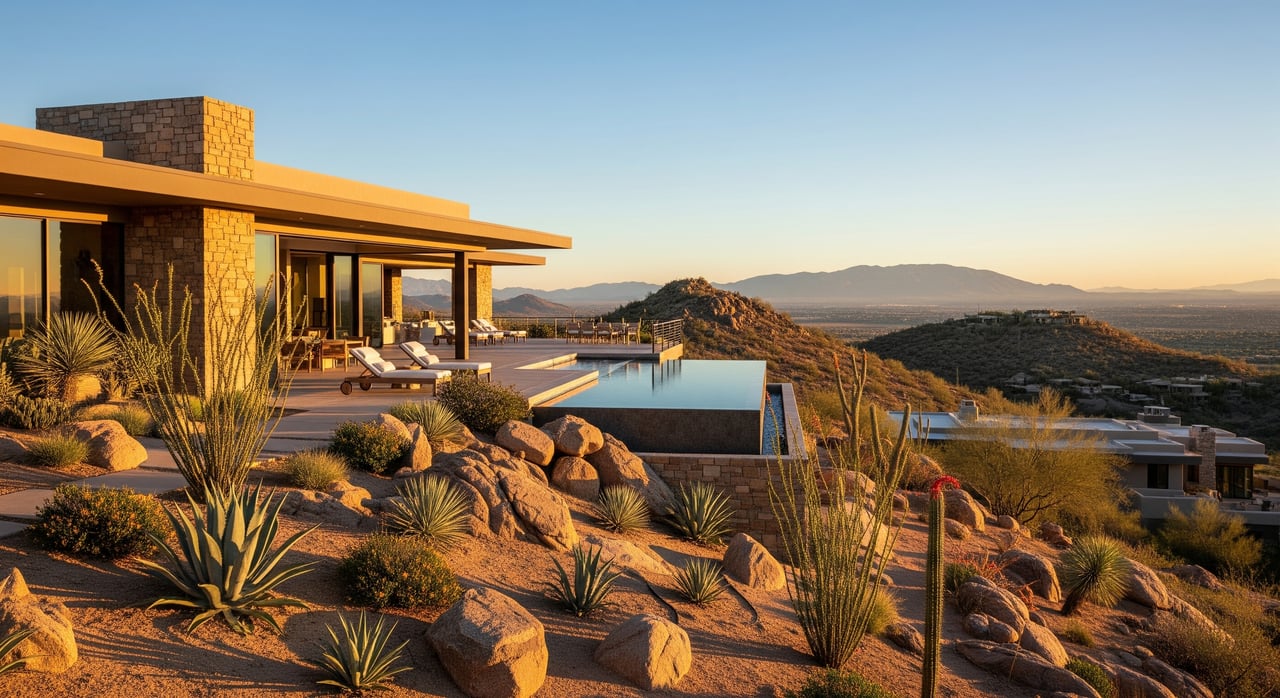
Love the Santa Catalina ridgeline but worry about heat and glare in summer? You are not alone. In the Catalina Foothills, you can capture iconic mountain views and still keep your home comfortable and efficient. This guide shows you how to place windows, choose glass, design shade, and site outdoor rooms so you enjoy the view today and protect resale tomorrow. Let’s dive in.
Why Tucson sun angles matter
Tucson sits in a hot, dry desert climate at about 32.2° north latitude. Summer days often reach about 95 to 105°F, and the sun rides high around June with a solar-noon altitude near 81 degrees. In winter, the sun is lower, about 34 degrees at noon, which allows useful sunshine when you want it.
These angles shape smart design. High summer sun is easy to block with horizontal shade. Low morning and afternoon sun is harder to control, especially from the east and west. Monsoon season can bring sudden wind, rain, dust, and higher humidity, so shade structures and fabrics need to be durable and well anchored.
Orient rooms to the view
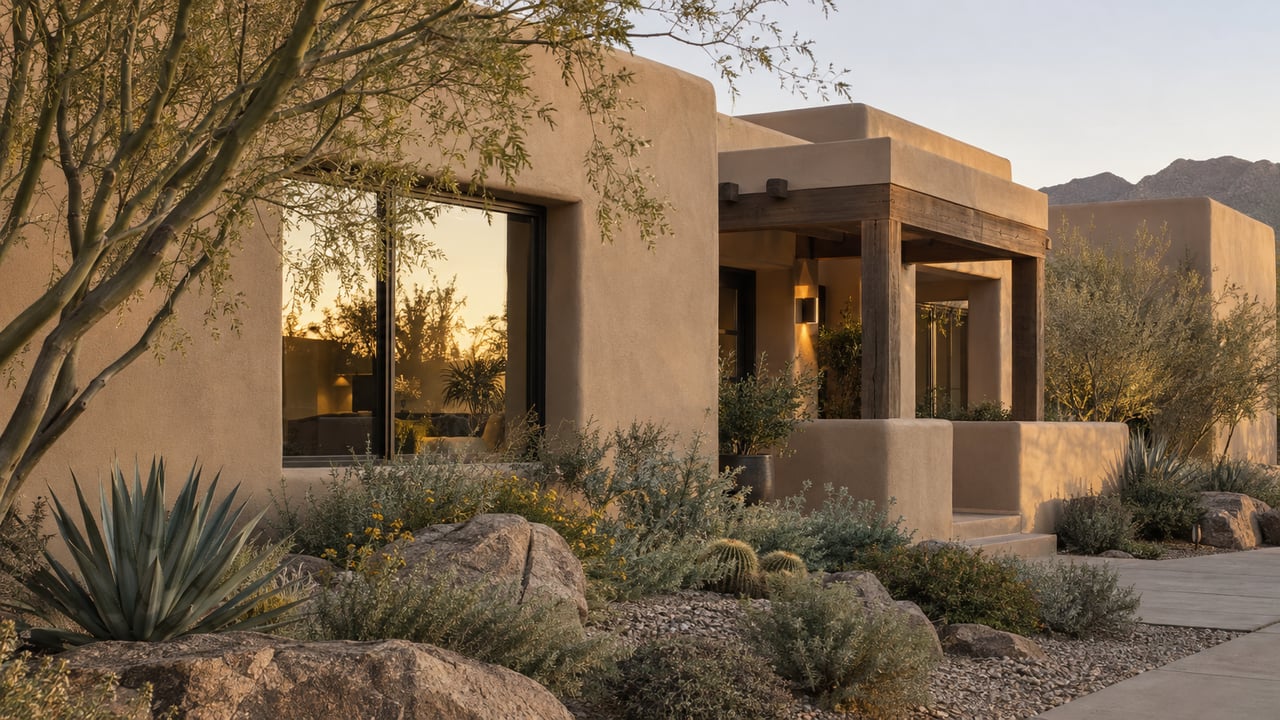
In many Foothills homes, the Santa Catalinas sit to the north or northeast. That works in your favor. North-facing glazing delivers consistent daylight and clear views with very little direct solar heat.
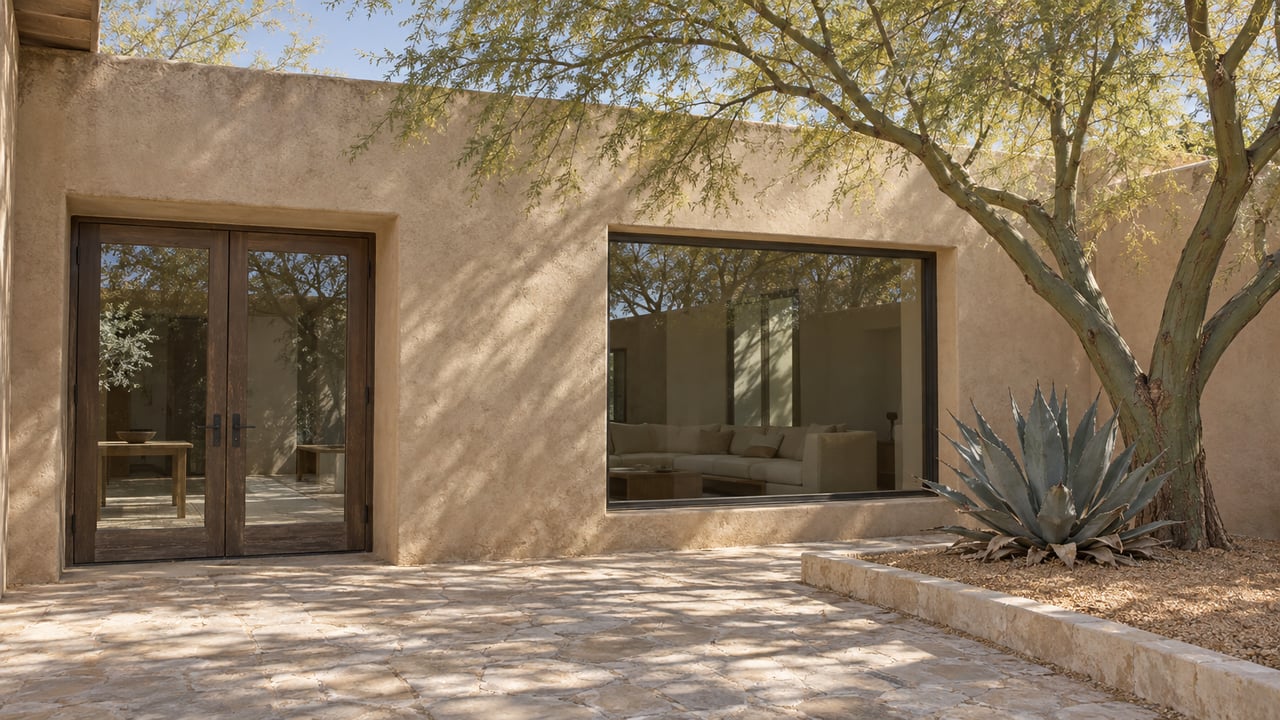
Limit large unshaded windows on the east and west. The low-angle sun can cause glare and spike afternoon cooling needs. South-facing windows can perform well if you use the right overhangs or adjustable exterior shade to block high summer sun while allowing lower winter sun.
Check HOA design rules and any hillside or wildfire-defensible-space guidelines early. These can affect window placement, shade structures, finishes, and plantings.
Choose glass for clarity and comfort
Your goal is simple: keep the mountain crisp and bright without letting the sun overheat the room. Focus on three window metrics on the NFRC label:
- U-factor: lower means better insulation.
- SHGC (solar heat gain coefficient): lower means less solar heat inside.
- VT (visible transmittance): higher means clearer, brighter views.
Use double-pane insulated glass with a spectrally selective low-e coating. This keeps VT relatively high for the view while reducing SHGC to control heat. Thermally broken aluminum or fiberglass/wood-clad frames improve performance and handle Tucson’s UV and dust.
What to target in Tucson
- For primary view walls, prioritize good VT with reduced SHGC using spectrally selective low-e glass.
- On east and west, lower SHGC is key. You can also reduce window size on these sides and borrow light from north and shaded south.
- Consider argon fill and warm-edge spacers to limit heat transfer and condensation risk.
- Dynamic glazing is an option for premium projects if you want automated tinting without losing the view. It comes with higher upfront cost.
Shade first for cooler interiors
Exterior shade blocks solar energy before it hits the glass. That makes it far more effective for comfort and energy control than interior blinds alone. Layered shading usually works best.
- Exterior fixed shade: overhangs, porches, pergolas, vertical fins, and brise-soleil reduce heat and glare.
- Exterior adjustable shade: motorized screens, operable louvers, and retractable canopies let you tune light by season and time of day.
- Interior shades: helpful for glare and privacy, but they do not stop most solar heat from entering.
Fixed shade sizing
Tucson’s high summer sun allows moderate-depth horizontal overhangs to shade south-facing windows in the hot months while admitting lower winter sun. Use sun-angle calculations based on the 32.2° latitude and your specific window height for precise sizing. Add vertical fins or side screens on east and west to block low-angle sun.
Adjustable options that survive monsoon
Motorized fabric sunscreens and operable louver systems offer excellent control. Choose high-UV, high-tensile fabrics with heavy-duty tracks and hardware rated for local wind and dust. Plan for storm conditions with secure fastenings and drainage details so devices can shed water and resist gusts.
Materials that last in the Foothills
Select corrosion-resistant, UV-stable finishes such as powder-coated aluminum and stainless or galvanized steel. Lighter fabric colors reflect heat but can show dust more easily. Near the mountain interface, choose noncombustible or ignition-resistant shade materials to support defensible-space goals.
Design outdoor rooms around the mountains
Place primary patios and outdoor living rooms to the north or northeast when your views sit that way. You will enjoy the mountain backdrop with minimal direct sun. East-facing patios offer pleasant mornings and shaded afternoons. Avoid unshaded west-facing spaces if afternoon comfort is a priority.
Keep sightlines open. Use low-profile guardrails like glass or cable rail, balancing glare and safety. Position seating slightly below the main window sightlines so you can read or converse without reflected sky glare. Where privacy matters, use permeable screens or landscape layers that preserve distant views.
On sloped lots, wind and dust exposure can vary. Consider windbreaks and deep porches or cantilevered rooflines on uphill facades to protect openings.
Protect resale while you enjoy the view
Catalina views carry significant value in the Foothills. Protect your sightlines in both your plans and your landscape maintenance. Avoid planting that will grow into the view corridor or adding tall walls that block key angles.
Buyers respond to year-round outdoor living and documented efficiency. Energy-wise glazing, layered shade, and comfortable outdoor rooms are marketable features. If possible, keep product documentation such as NFRC labels and controls information available for future buyers.
Avoid expensive one-off solutions that are difficult to maintain or remove. Flexible, layered shade and balanced glazing choices tend to deliver good comfort, a clean aesthetic, and broad appeal.
Step-by-step planning checklist
- Map your view corridors: stand, sit, and walk through likely living areas to identify the best angles to the Santa Catalinas.
- Set room orientation: place main living spaces and the largest picture windows on the north or northeast side where practical.
- Select glazing by orientation: keep VT higher on view walls with spectrally selective low-e; lower SHGC on east and west.
- Size fixed shade: design overhangs for summer blocking and winter access; add vertical fins or side screens where needed.
- Add adjustable layers: plan for exterior screens or operable louvers for daily control, with interior shades for privacy.
- Specify durable materials: powder-coated metals, UV-stable fabrics, and noncombustible components near wildland edges.
- Plan for monsoon: engineer fasteners and supports for wind, allow for drainage, and consider retractable settings for storms.
- Coordinate approvals: review HOA design rules, hillside covenants, and defensible-space guidance before finalizing.
If you want a Catalina Foothills plan that balances view, comfort, and future resale, let’s talk. You will get calm, design-informed guidance aligned with your goals. Start the conversation with Unknown Company.
FAQs
What is the best window orientation in the Catalina Foothills?
- North or northeast offers consistent daylight and mountain views with minimal direct solar heat. South can work with proper overhangs. East and west are hardest to control.
Which glass metrics matter most for view and comfort in Tucson?
- Focus on SHGC to reduce heat, VT to preserve clarity, and U-factor for insulation. Check NFRC labels so you compare products accurately.
Are exterior shades really better than interior blinds for cooling?
- Yes. Exterior shades stop most solar energy before it heats the glass, which reduces interior heat gain. Interior blinds help with glare and privacy but not overall cooling load.
How do I size overhangs for Tucson’s sun?
- Use the site latitude of about 32.2° and your window height to calculate summer shading and winter sun access. A designer can apply these sun angles to set depth and height.
Is dynamic tinting glass worth the cost for a view wall?
- For premium projects, dynamic glazing preserves unobstructed views while controlling glare and heat. Expect higher first costs and plan for professional integration.
What outdoor patio orientation stays most comfortable in summer?
- North or northeast patios typically feel best through hot months. East patios are pleasant in the morning and shaded in the afternoon. Avoid unshaded west-facing patios for peak heat hours.