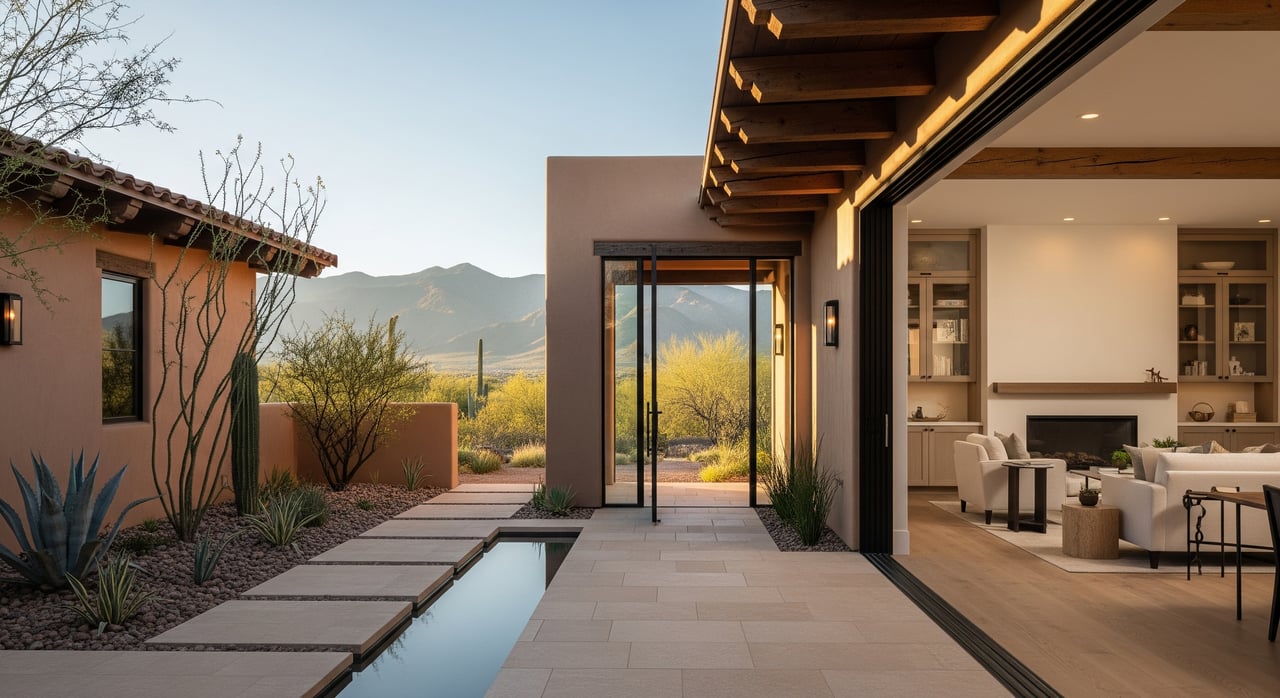
Thinking about selling or buying a high-end home in Tucson and wondering how the appraisal will land? You are not alone. Appraisals on luxury properties involve more research, more judgment, and more documentation than a typical home. In this guide, you will learn how appraisals work, what drives value in the Tucson area, and practical steps you can take to support a strong result. Let’s dive in.
What a luxury appraisal is
A real estate appraisal is an independent opinion of market value prepared by a licensed appraiser who follows the Uniform Standards of Professional Appraisal Practice. Lenders use appraisals to help confirm the value that supports a loan. For luxury and complex homes, many lenders prefer experienced appraisers or those with advanced credentials. Expect a full interior and exterior inspection with detailed reporting rather than a quick drive-by.
Who selects and regulates appraisers
In mortgage transactions, the lender orders and selects the appraiser through their process. Appraisers must be licensed in Arizona and comply with USPAP, and they follow lender guidelines that align with secondary-market standards. Oversight comes from state and federal bodies, and you can check the Arizona state licensing authority for appraiser credentialing and consumer guidance. If questions arise, there are formal channels for reconsideration or complaints.
Report types you might see
- Full narrative reports, often used for unique or very high-value estates.
- Standard residential forms, such as the Uniform Residential Appraisal Report, sometimes with expanded exhibits for luxury homes.
- Desktop or drive-by reports are uncommon for luxury loans since lenders usually require an interior inspection and thorough documentation.
How appraisers determine value
Appraisers rely on three classic approaches to value and weigh them based on the property and available data.
Sales comparison approach
This is the primary method for residential properties. The appraiser compares your home to recent closed sales and adjusts for size, site, age, condition, design, and amenities. For luxury homes in Tucson, comparable sales can be limited, so appraisers may expand the search area or time frame and apply larger, well-supported adjustments. Closed sales carry the most weight, while pending and active listings can support trends but are not substitutes for closed comps.
Cost approach
This estimates land value plus the cost to replace the improvements, then subtracts depreciation. The cost approach is useful for newer custom builds, unique estates, or properties with limited comparable sales. It relies on credible construction cost data, local cost multipliers, and an accurate read on site value.
Income approach
This is rarely central for owner-occupied luxury homes. It may apply if the property produces income, such as a guest house that is rented, or if the highest and best use includes income production. If used, it is typically a support to the other approaches.
Tucson factors that move value
Luxury buyers in Tucson look for a specific desert-lifestyle experience, and appraisers measure how those features show up in comparable sales.
Views and vistas
Mountain panoramas, especially Catalina Mountain views and valley lights, often contribute measurable premiums in the sales comparison analysis. Appraisers seek comps with similar view orientation and make adjustments when view quality differs.
Lot size and topography
Estate-size lots, privacy, and distinctive terrain are prized in the foothills and surrounding areas. Larger or topographically unique sites can complicate comp selection, and adjustments must be supported by market data.
Water, utilities, and systems
Properties with private wells or septic systems need proper disclosure and documentation. Appraisers consider utility availability, water rights where applicable, and the condition of infrastructure as value factors in Pima County.
Permits and documented improvements
Pools, guest houses, casitas, and additions carry more weight in the appraised value when they are permitted and well documented. Undocumented work may result in deductions, conservative adjustments, or additional lender review.
Climate and maintenance
Desert landscaping, irrigation systems, pool condition, roofing, and HVAC efficiency influence both desirability and maintenance expectations. Appraisers evaluate overall condition and quality of finish in context with local norms.
Environmental and risk considerations
Proximity to flood channels, arroyos, or wildfire interface zones can affect insurability and marketability. Appraisers note these influences and consider how they impact buyer demand and comparable sales.
Tucson’s luxury micro-markets
High-end properties are concentrated in several micro-markets, each with its own buyer pool and comp set. Neighborhoods often associated with premium homes include the Catalina Foothills, Oro Valley, Dove Mountain, La Paloma, and Starr Pass, as well as larger ranch or estate properties around the metro. Because micro-markets vary, an appraiser may search across multiple nearby areas to find truly comparable sales.
Data and comparable sales in Pima County
A frequent challenge is limited recent sales at the very top of the market. When that happens, appraisers may expand the search radius, rely on older sales with time adjustments, or add narrative support from credible local sources. Helpful data points can include MLS closed sales, Pima County Assessor parcel records, and deed history from the Pima County Recorder. Strong, well-documented comps are essential for a supported value opinion.
What to expect in the process
- The lender orders the appraisal after you apply for a loan or after contract acceptance.
- The appraiser schedules an interior and exterior inspection, measures, photographs, and reviews the neighborhood and potential comps.
- The appraiser compiles the report, then the lender completes a review. You may be asked for clarifications or additional documentation.
- Timelines for luxury appraisals can run longer than standard due to the complexity of analysis and comp gathering.
How sellers can prepare
- Create a detailed list of upgrades with dates, permits, contractor names, and invoices. Include specialty finishes and custom materials.
- Provide floor plans, a site plan, and any survey if available. A simple property summary sheet helps highlight orientation to views, energy features, and community amenities.
- Ensure full access to all spaces, including storage, mechanical rooms, guest houses, and garages.
- Share a concise set of recent comparable sales you and your agent view as most relevant, with notes on why they align with your home.
What buyers and lenders should know
Expect a full interior inspection and a careful review of condition and quality. For high-value or jumbo loans, lenders may require an appraiser with advanced credentials or an appraisal review. You can ask your lender how to submit supporting materials, such as a list of improvements with invoices or a data package of relevant comps, for the appraiser’s consideration through approved channels.
When the appraisal is lower than expected
- Ask your lender about a reconsideration of value. Provide additional closed comps, documentation of permits, and detailed upgrade evidence.
- If permitted, order a second appraisal or a formal appraisal review.
- Negotiate with the other party on price, concessions, or a split to bridge the gap. Some buyers choose to increase down payment to proceed.
- If you believe there is a substantive error or an ethical concern, you can consult the Arizona state appraisal board’s consumer process.
Cost approach tips for custom homes
If your property is a newer custom build or features specialty construction, assemble a packet of cost inputs. Include builder invoices, change orders, and material specifications. Clear evidence helps appraisers align the cost approach with current local construction costs and quality of finish.
Valuing unique amenities
Appraisers often use paired-sales analysis to isolate the impact of features like pools, premium view corridors, or equestrian facilities. Built-in elements are part of the real estate, while movable personal property is typically excluded unless specifically conveyed. The more you document scope and quality, the more reliably those items appear in the analysis.
Why experience matters in Tucson
Luxury appraisals in Pima County often involve complex sites, view premiums, and varied sources for comparable sales. Appraisers with high-value residential experience and knowledge of micro-markets are better equipped to weigh adjustments and defend conclusions. That experience helps both buyers and sellers navigate the process with fewer surprises.
How a local advisor supports your appraisal
A well-prepared file can improve clarity and save time. As a Tucson native with a background in construction and design, I help sellers curate upgrade lists, gather permits and plans, and spotlight view orientation, site advantages, and finish quality. For buyers, I help assemble neighborhood-level market data and confirm what the lender and appraiser will likely prioritize. When everyone is working from the same facts, appraisals go more smoothly.
Ready to talk through your property’s appraisal path and market position in the foothills or across Pima County? Reach out to Marta Harvey for a calm, informed plan tailored to your goals.
FAQs
Who chooses the luxury home appraiser in Tucson?
- The lender typically selects and orders the appraiser through their process. You can suggest local appraisers, but the lender’s system controls the assignment.
Can an appraiser use listings or pending sales as comps?
- Closed sales are the primary comparables. Pending and active listings can show market direction, but they generally support the analysis rather than replace closed comps.
How are custom finishes and built-ins treated in value?
- Built-in and permanent features are included in the real estate. Movable personal property is excluded unless specifically conveyed, so provide invoices and clear scope.
Is an appraisal the same as a home inspection?
- No. An appraisal estimates market value for lending and market confidence, while a home inspection focuses on condition and safety. Both can be important.
How far will an appraiser search for luxury comps in Pima County?
- For unique or high-value homes, appraisers often expand the search area and look back further in time to find the most relevant sales across multiple micro-markets.