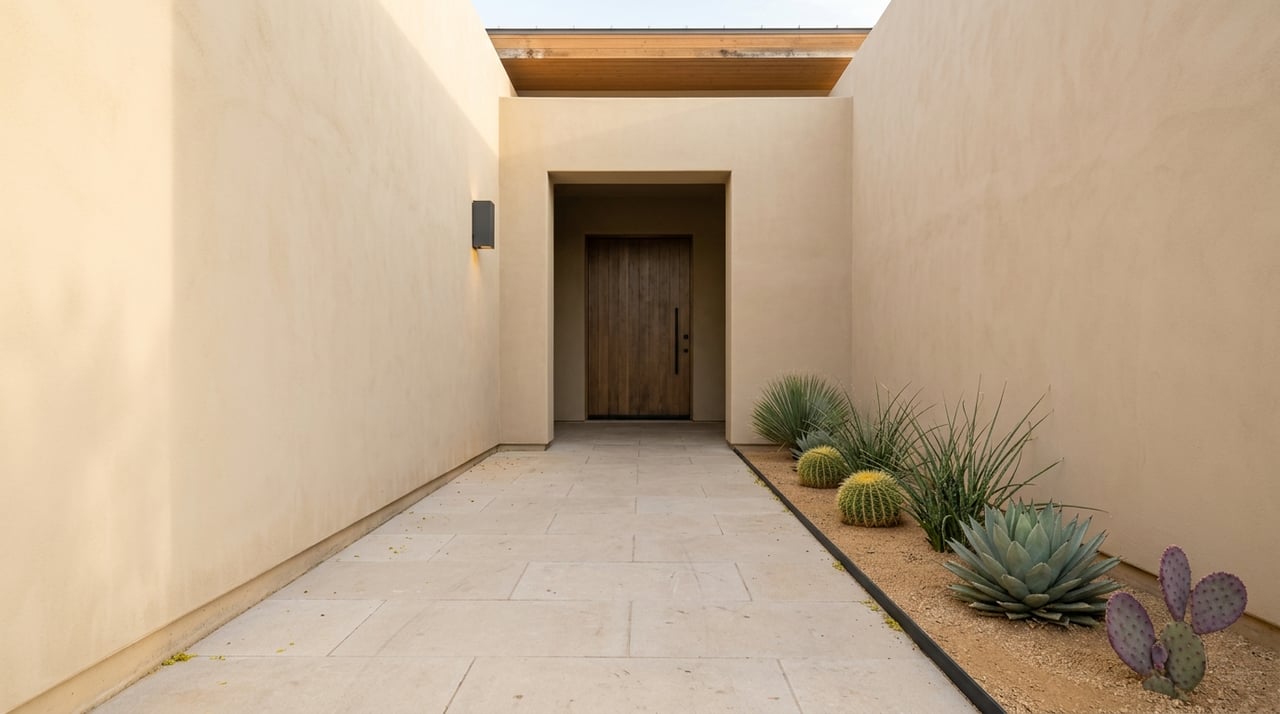
If you are drawn to Catalina Foothills for its privacy, mountain views, and distinctive desert setting, gated living may seem like a natural fit. But here, a gate often means more than controlled entry. It can also shape how a neighborhood looks, how homes relate to the land, and what day-to-day ownership feels like. This guide will help you understand the main gated living formats in Catalina Foothills, the tradeoffs to weigh, and the questions worth asking before you buy. Let’s dive in.
What gated living means here
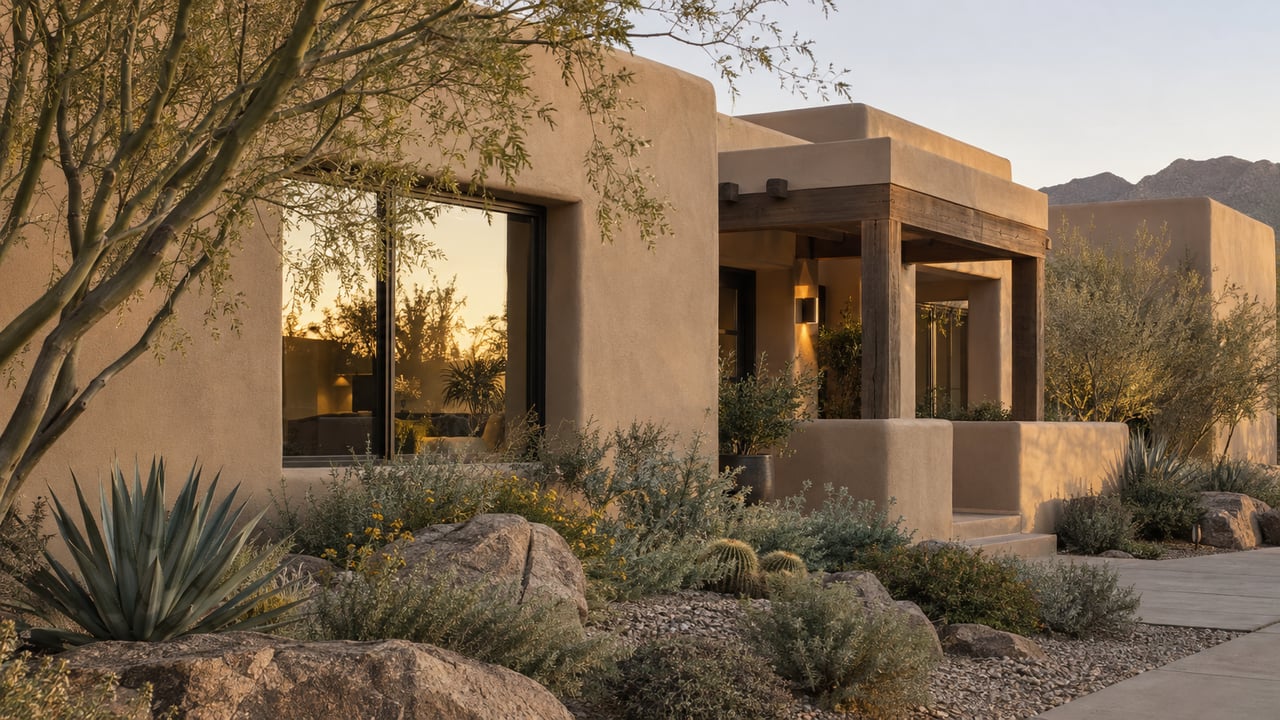
In Catalina Foothills, gated communities often reflect the character of the landscape as much as lifestyle preferences. Pima County describes this part of eastern Pima County as a mix of suburban development and mountain-defined neighborhoods, and the Catalina Foothills Association emphasizes standards that preserve natural desert areas and guide setbacks, building heights, and design compatibility with the Sonoran Desert.
That matters because a gate here is not just about access. In many communities, it also comes with design review, landscape expectations, and rules meant to maintain a consistent visual feel. For buyers, that can be a real advantage if you value continuity, protected sight-lines, and a more coordinated streetscape.
Common gated community types
Catalina Foothills includes several gated living formats, and each one tends to attract a different kind of buyer. Understanding the structure behind the gate can help you narrow your search more quickly.
Golf-centric communities
Some gated communities are built around golf, club amenities, and resort-style convenience. Ventana Canyon, for example, includes a gatehouse with monitored access, while the private club within the community offers golf, racquet sports, pools, spa, fitness, and dining.
La Paloma offers another local example of how this format can work. It is a large master-planned community with multiple sub-associations, a master association, and a design-review committee. That layered governance structure is a reminder that amenities, access, and HOA rules often come bundled together in more complex ways than buyers first expect.
If you are considering this type of community, separate the home purchase from the club lifestyle in your analysis. In some cases, HOA costs and club membership are not the same thing, and access to certain amenities may be optional rather than included.
Lock-and-leave condos and townhomes
For buyers who want lower day-to-day upkeep, lock-and-leave ownership can be appealing. In practical terms, these communities often have more centralized operations, a smaller private residence footprint, and management systems that support seasonal or part-time use.
The Greens at Ventana Canyon is one local example, with an onsite manager, office hours, community documents, a calendar, and social programming. That kind of structure can feel streamlined if you want an easier ownership experience.
Even so, it is smart to look closely at the fine print. You will want to confirm what the HOA actually handles, whether parking or guest access is limited, and whether recreation amenities are shared, reserved, or separate from dues.
Custom-home subdivisions
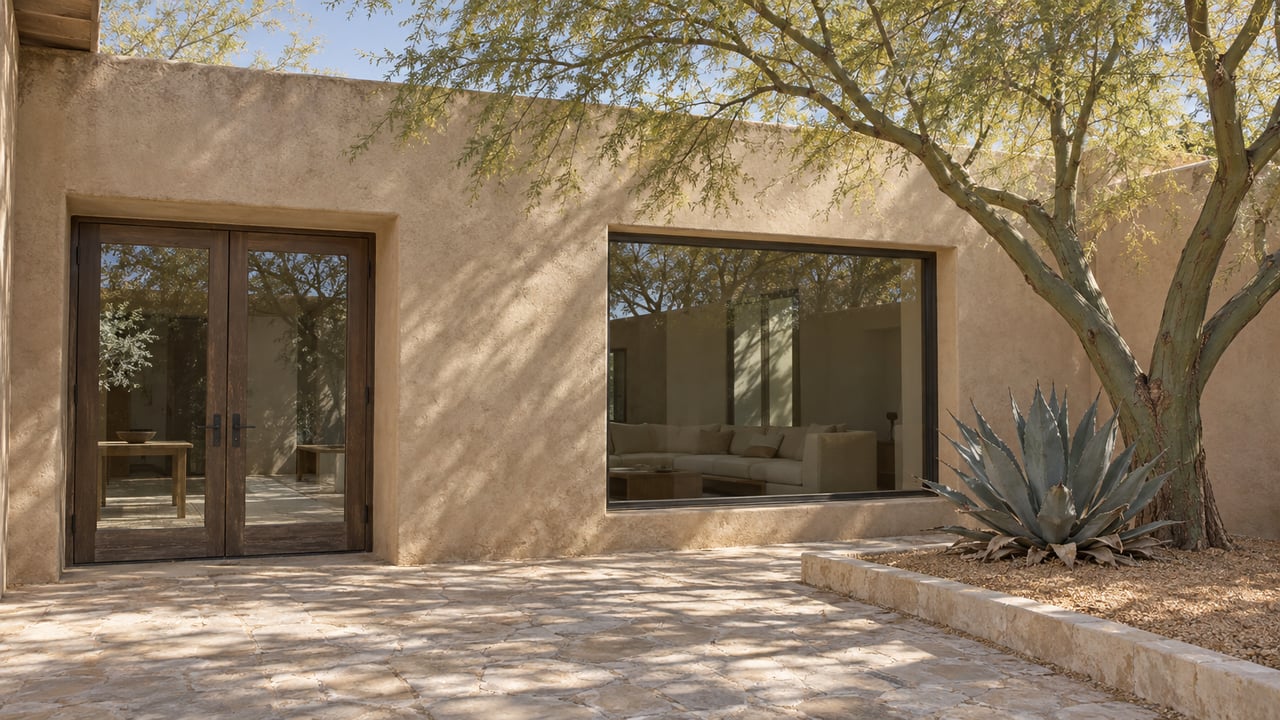
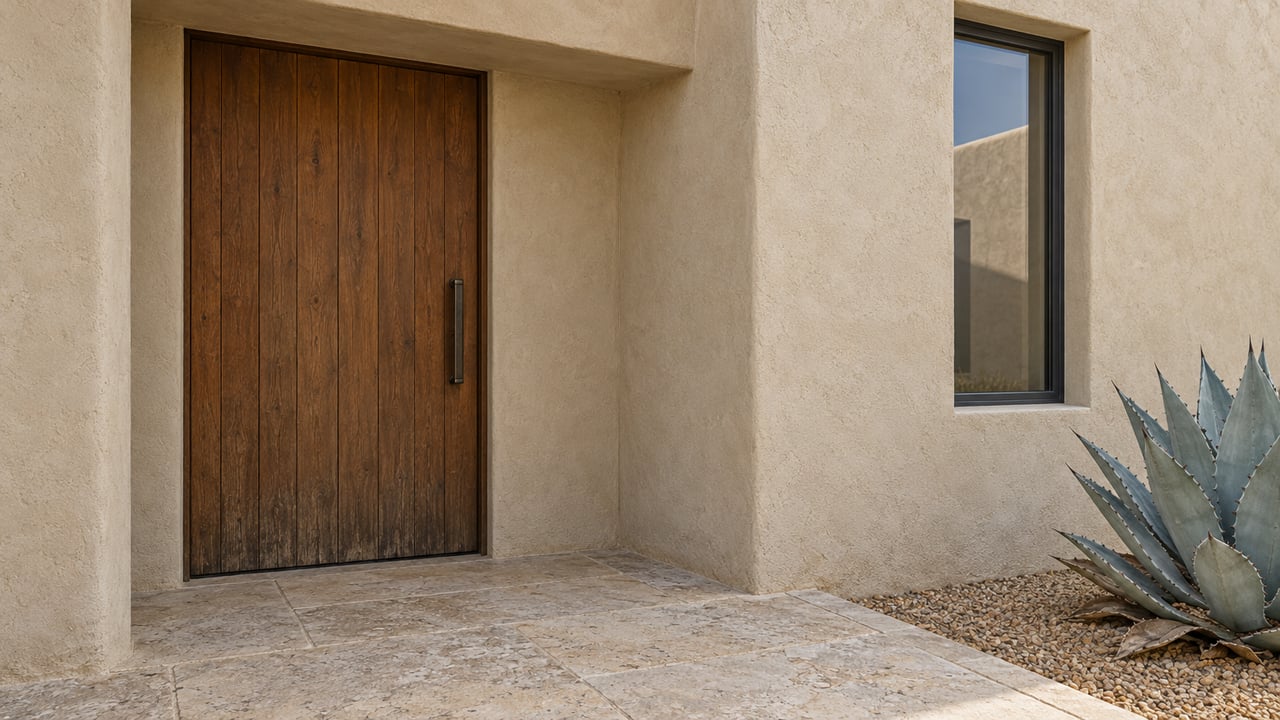
Many gated enclaves in the foothills are centered less on shared amenities and more on privacy, exterior consistency, and protection of views. In these settings, the neighborhood experience is often defined by architecture, lot placement, and how homes sit within the desert terrain.
The Catalina Foothills Association design standards address things like setbacks, building heights, colors, architectural styles, land use, and protection of native plants and habitat. Those guidelines are intended to encourage creativity while still fitting the surrounding desert context.
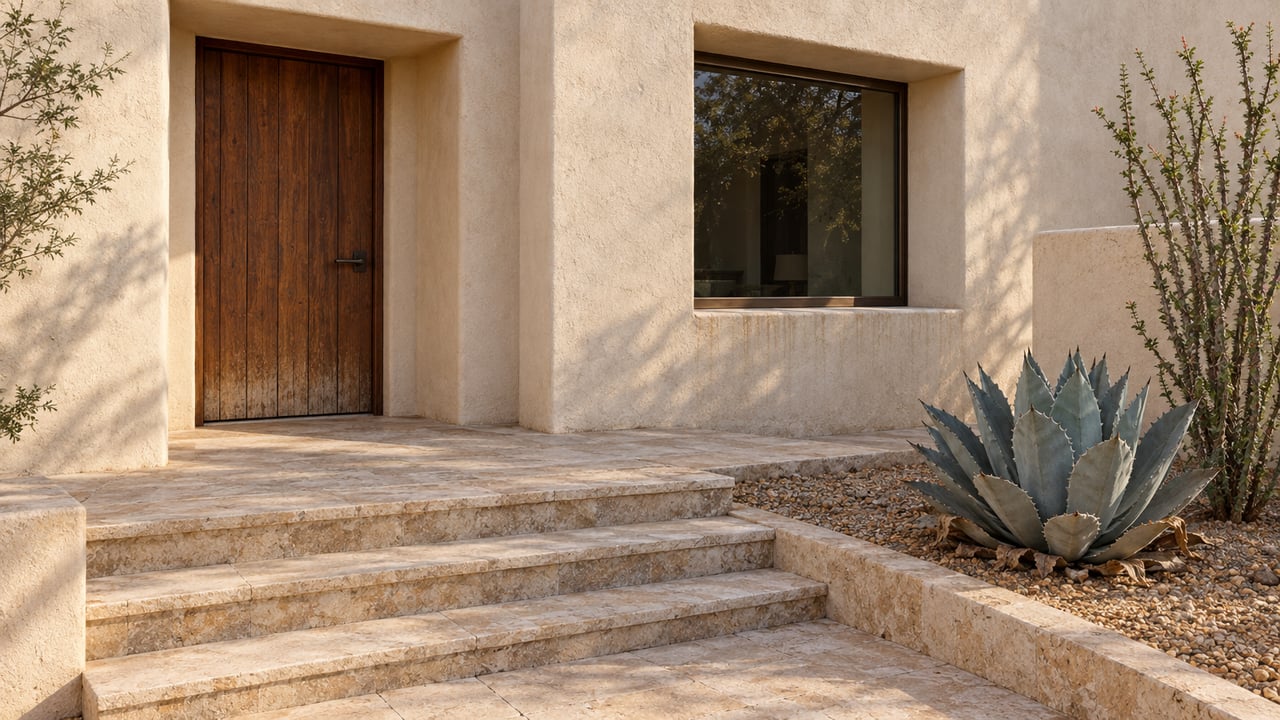
Pedregal offers a useful local example of this style of community. Its HOA describes a small collection of semi-custom single-family homes with hacienda-style courtyard entries, and it notes that several owners live out of state and use the homes seasonally. For some buyers, that combination of design character and lower-touch ownership is exactly the appeal.
How HOAs shape ownership
In Arizona, a planned community is generally a development where an association owns or operates community property or has roadway-maintenance rights. The governing documents typically include the declaration, bylaws, articles of incorporation, and rules. Together, those documents function as a contract between the association and the buyer.
That is why HOA review is one of the most important parts of buying in a gated community. Your experience as an owner will be shaped not only by the house itself, but also by what the association maintains, what it restricts, and how it makes decisions.
CC&Rs and design review
CC&Rs can affect everyday choices more than many buyers realize. The Arizona Department of Real Estate advises buyers to read them carefully because they may restrict landscaping, RV parking, play equipment, satellite antennas, and similar items.
Architectural review is also common in foothills communities. Arizona law requires design-review committees to include at least one board member as chair, and it says plan approval may not be unreasonably withheld. Some communities may also use security deposits and on-site reviews for new construction or rebuilds.
If you are buying a custom home or planning future changes, this matters. A beautiful lot with strong views may still come with rules about exterior colors, walls, plant materials, lighting, or additions.
Meetings, records, and assessments
Arizona HOA law includes open meeting and records requirements. Board and member meetings are generally open, members may speak and record open portions, and many association records must be made available to members.
The law also addresses assessments and penalties. Regular assessment increases above 20% generally require majority approval, and statutory caps apply to late fees and violation penalties. These details can give you a clearer picture of how an association operates and how financial decisions are handled.
Delinquencies and lien risk
Assessments are not optional, so it is important to understand the consequences of nonpayment. Under Arizona law, unpaid assessments can lead to a common-expense lien. After 18 months or $10,000 in delinquency, foreclosure may be possible in the same manner as a mortgage, provided the association has made reasonable efforts to communicate and offer a payment plan first.
For most buyers, this is less about alarm and more about clarity. Stable governance and realistic budgeting are part of evaluating whether a community is a good fit.
Questions to ask before you buy
Gated living usually comes down to a simple tradeoff: more structure and shared standards in exchange for dues and process. The right fit depends on how you want to live.
As you compare homes, ask questions like these:
- What do the monthly or quarterly assessments cover?
- Is club access included, optional, or mandatory?
- What rules apply to landscaping, parking, guest access, and exterior changes?
- Are roads within the community private, public, or mixed?
- How active is the design-review process?
- What do reserves, financial reports, and meeting records suggest about management and upkeep?
These questions can help you move past the marketing language and understand the real ownership experience.
Why roads and access matter
One detail buyers sometimes overlook is road control. A gate does not automatically mean the association controls every street inside the community.
Arizona law says that after declarant control ends, associations generally cannot regulate roadways dedicated to or held by a governmental entity, while privately owned roadways are treated differently. In practical terms, you should confirm whether the roads in a community are private, public, or a mix of both, because that can affect maintenance responsibilities and certain rules tied to access.
Due diligence for resale and new construction
If you are buying a resale property, Arizona law entitles you to key HOA materials. These include governing documents, assessment information, insurance information, the reserve study, financial report, and a litigation summary. Associations may charge up to $400 for the disclosure package, plus limited rush and update fees.
Those documents are more than paperwork. They can help you understand the community’s financial health, pending issues, and how rules are applied in real life before you remove contingencies.
If you are looking at new construction in a gated subdivision, the Arizona Department of Real Estate advises buyers to review the Public Report before signing a contract. That report should address common community and recreation facilities, taxes and assessments, and property-owners-association details.
Finding the right fit in Catalina Foothills
The best gated community for you depends on what you value most. You may want club amenities and a more social setting, a lock-and-leave home with centralized operations, or a custom-home neighborhood where architecture and desert stewardship take center stage.
In Catalina Foothills, those differences matter because the communities are not interchangeable. The look of the streetscape, the intensity of design review, the scope of HOA services, and the relationship between the home and the Sonoran Desert can all vary from one gate to the next.
If you want help comparing communities, reviewing HOA details, or identifying the gated neighborhoods that best match your priorities, connect with Marta Harvey. Her foothills expertise and construction-informed perspective can help you evaluate not just the home, but the ownership experience that comes with it.
FAQs
What does gated living in Catalina Foothills usually include?
- Gated living in Catalina Foothills may include controlled entry, HOA governance, design standards, and in some communities, amenities such as golf, racquet sports, pools, fitness, or shared recreation spaces.
What should buyers review in a Catalina Foothills HOA?
- Buyers should review the declaration, bylaws, rules, assessment information, insurance information, reserve study, financial report, and any available litigation summary to understand costs, restrictions, and governance.
Are all gated communities in Catalina Foothills focused on amenities?
- No. Some are golf- or club-oriented, while others focus more on custom-home design consistency, privacy, view protection, and stewardship of the desert setting.
Can an HOA in Arizona restrict changes to a home?
- Yes. CC&Rs and architectural review rules may affect exterior changes, landscaping, parking, and similar property uses, so it is important to read community documents carefully.
Do gated communities in Catalina Foothills always have private roads?
- No. A gated entrance does not automatically mean all roads are privately controlled, so buyers should confirm whether roads are private, public, or mixed within a specific community.
What is important to know about HOA dues in Arizona planned communities?
- Buyers should know what the assessment covers, whether additional club costs apply, and that unpaid assessments can lead to a lien and, in some cases, foreclosure after statutory thresholds and required communication efforts are met.